
 InfoSearched
Elon Musk just showed the world how he plans to plug your brain into a computer.
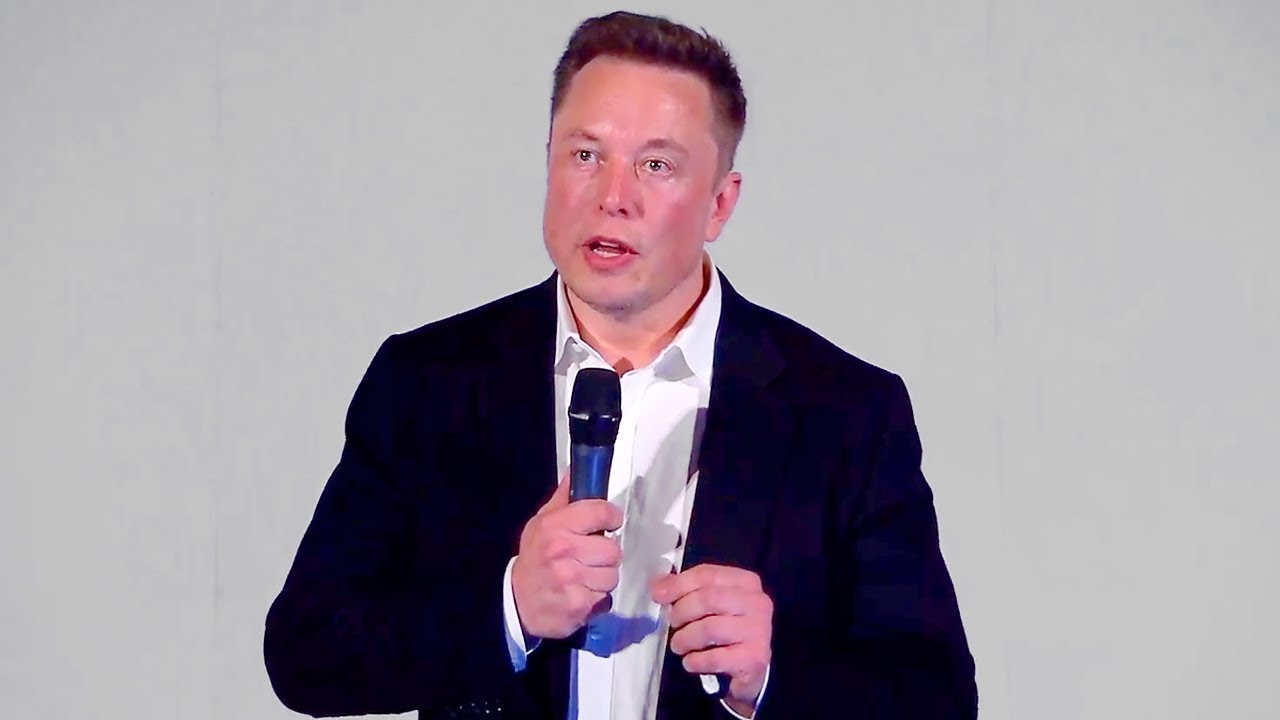
On the evening of July 16, 2019, Musk and his team at Neuralink stepped onto a stage at the California Academy of Sciences in San Francisco and livestreamed the company’s first public demonstration of its brain-machine interface. Joined by Neuralink president Max Hodak and a handful of the company’s neuroengineers, Musk laid out a device built around threads thinner than a human hair, a custom surgical robot to implant them, and an eventual goal of wiring the human brain directly into a computer. He was blunt about why he was doing this in public at all: he needs people to build it.
- Neuralink’s threads measure just 4 to 6 micrometers in diameter — far thinner than the rigid silicon Utah Array long used in academic brain implants — and the system can carry data across up to 96 threads holding 3,072 electrodes.
- A custom neurosurgical robot, described as working like an automated sewing machine with optical sensors and precision needles, is designed to insert the threads without hitting blood vessels; Neuralink says it eventually wants to swap mechanical skull drilling for lasers.
- Musk revealed, seemingly off-script, that a monkey has been able to control a computer with its brain, and the company said it will seek FDA approval to begin human trials on paralyzed patients as early as 2020.
The Threads and the Robot
The centerpiece of the presentation was the hardware itself. Instead of the stiff electrode arrays that have dominated brain-computer interface research for years, Neuralink built flexible polymer threads a fraction of the width of a strand of hair, engineered specifically to cut down on the tissue damage and scarring that rigid implants tend to cause over time. Getting those threads into the brain without tearing a blood vessel is its own engineering problem, so the company built a robot that Musk and Hodak compared to an automated sewing machine, using optical sensors to guide precision needles thread by thread.
Longer term, Neuralink wants to skip mechanical drilling into the skull altogether in favor of lasers, a detail Musk floated as part of the company’s roadmap rather than something ready today. The array system shown on stage was capable of handling data from up to 96 threads and 3,072 electrodes at once — the kind of bandwidth Neuralink argues is necessary if the goal is genuine high-speed communication between brain and machine, not just single-signal experiments.
A Pitch Aimed at Engineers, Not Just Investors
Musk was explicit that the event’s real purpose was recruiting talent, not selling a product. He used the stage to make the case directly to neuroscientists and engineers watching the stream that Neuralink is the place to do this work, framing the company’s mission in the same terms he’s used for Tesla and SpaceX: solving a hard technical problem the rest of the field hasn’t cracked yet.
That recruitment-first framing is worth noting because it shaped how much the team was willing to show. Some of what’s often confined to speculative science fiction — direct machine access to thought — got treated on stage as a near-term engineering roadmap rather than a distant fantasy, which is part of why the presentation drew so much attention.
From Rodents to Primates
The biggest unscripted moment came when Musk disclosed that Neuralink’s animal testing had moved past lab rodents and into primates. He told the audience a monkey had already been able to control a computer using its brain — a claim that landed as the night’s most significant reveal, since it suggested the company’s testing timeline was further along than outsiders assumed.
A monkey has been able to control a computer with its brain.
The Road to Human Trials
Neuralink’s stated target is to get FDA approval and start human clinical trials by 2020, with the first patients expected to be people dealing with paralysis. Musk’s framing for the endgame goes well beyond restoring lost motor function, though — he described the long-term ambition as achieving high-bandwidth “symbiosis” between human brains and artificial intelligence, a goal that puts Neuralink in a very different category from existing medical-device brain implants aimed narrowly at conditions like Parkinson’s.
Readers looking for more coverage of unconventional science claims making headlines can find it under Science & Technology, and it’s worth remembering that the recruiting pitch Musk made on stage wasn’t just talk — Neuralink has been quietly hiring surgeons and engineers away from academic labs for this exact reason.
Whether Neuralink actually gets an FDA green light for paralyzed patients in 2020 is the number to watch. Musk has a well-documented habit of announcing timelines that slip — Tesla’s Autopilot promises and SpaceX’s crewed launch dates both moved more than once — so the real test of Thursday night’s presentation isn’t the monkey story, it’s whether that human-trial application actually gets filed on schedule.








Built 150FT MEGA SLIP N SLIDE into NEW POND! ($25,000 Backyard Project)
The List Of Musicians With Coronavirus Keeps Getting Bigger
British Movie Theater Snacks Taste Test Ft. Sorted Food
What’s going on with China’s economy? – BBC News
How Long did a Person Stay Alive after being Guillotined?