
 InfoSearched
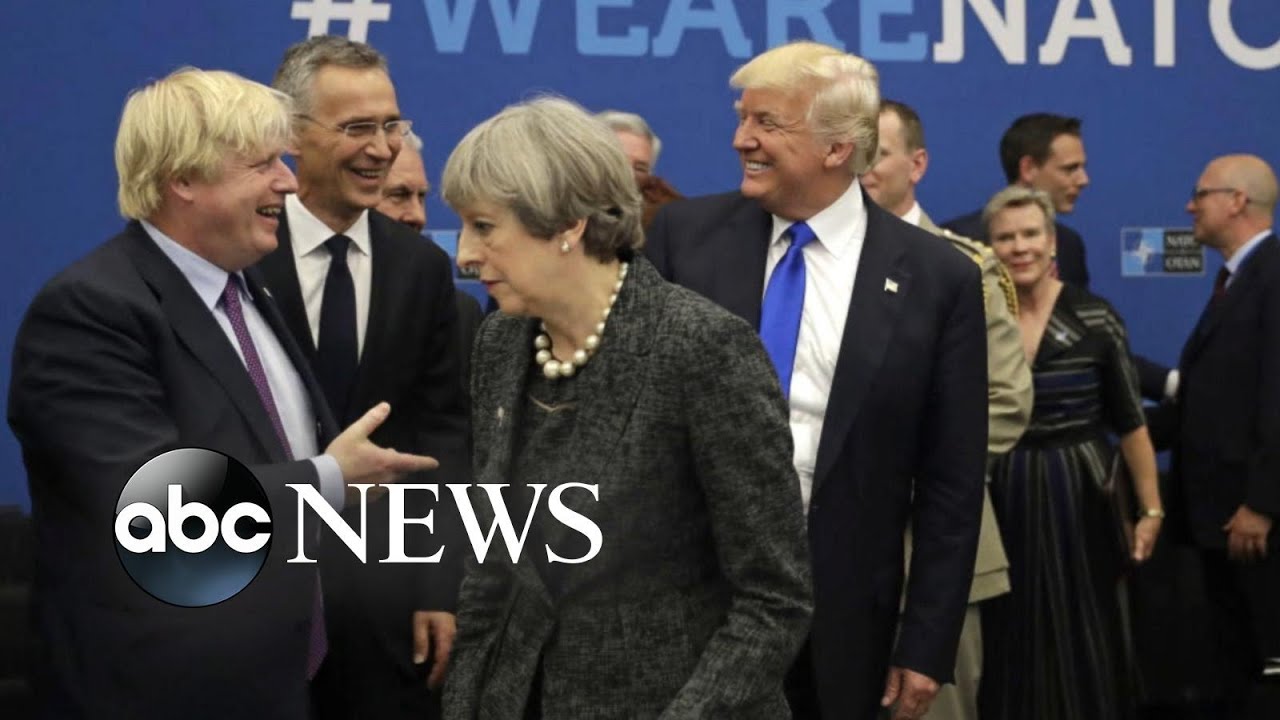
Boris Johnson
Johnson is expected to visit Queen Elizabeth II and officially become Britain’s next leader.
Who was declared the new Prime Minister of the United Kingdom on July 23rd, 2019, and what was their previous political experience?
On July 23rd, 2019, Boris Johnson was declared the new prime minister of the United Kingdom, replacing Theresa May.
Johnson, a controversial and divisive figure, was chosen by the Conservative Party to lead the country and navigate the complicated Brexit negotiations. His appointment came after a tense and highly-publicized leadership contest, in which he faced off against fellow Conservative MP Jeremy Hunt.
Johnson, who had previously served as the mayor of London and as foreign secretary, promised to deliver Brexit by October 31st “no ifs, no buts.” This pledge was met with both support and criticism, as many worry about the potential fallout from a no-deal Brexit.
In his acceptance speech, Johnson stressed his commitment to “uniting the country and defeating Jeremy Corbyn” – the leader of the Labour Party and his main political opponent. He also promised to prioritize issues such as healthcare, education, and crime.
While Johnson’s appointment has been welcomed by many in the Conservative Party, it has been met with concern and skepticism from others. Some worry about his history of controversial comments and actions, including his support for Brexit and his past involvement in numerous scandals.
In the coming months, Johnson will face countless challenges as he takes on the role of Prime Minister. He will need to work tirelessly to negotiate a Brexit deal that satisfies both the EU and the British public, while also keeping the economy stable and addressing other pressing issues facing the country.
Despite the many obstacles that lie ahead, Johnson appears confident and determined to lead the UK forward. Only time will tell if he is able to fulfill his promises and unite a divided nation.






U.S. military official: Iran tested medium-range ballistic missile
Billie Eilish Surprises Alicia Keys w/ a Home Video ‘Fallin’ Cover
The Bizarre World of Fake Martial Arts
100 ACCURATE LIFE HACKS
VEGAN FRIED CHICKEN (made from mushrooms!) + SOUTHERN-STYLE SIDE DISHES