
 InfoSearched
A ghost rises from the grave, and the small talk still doesn’t come easily.
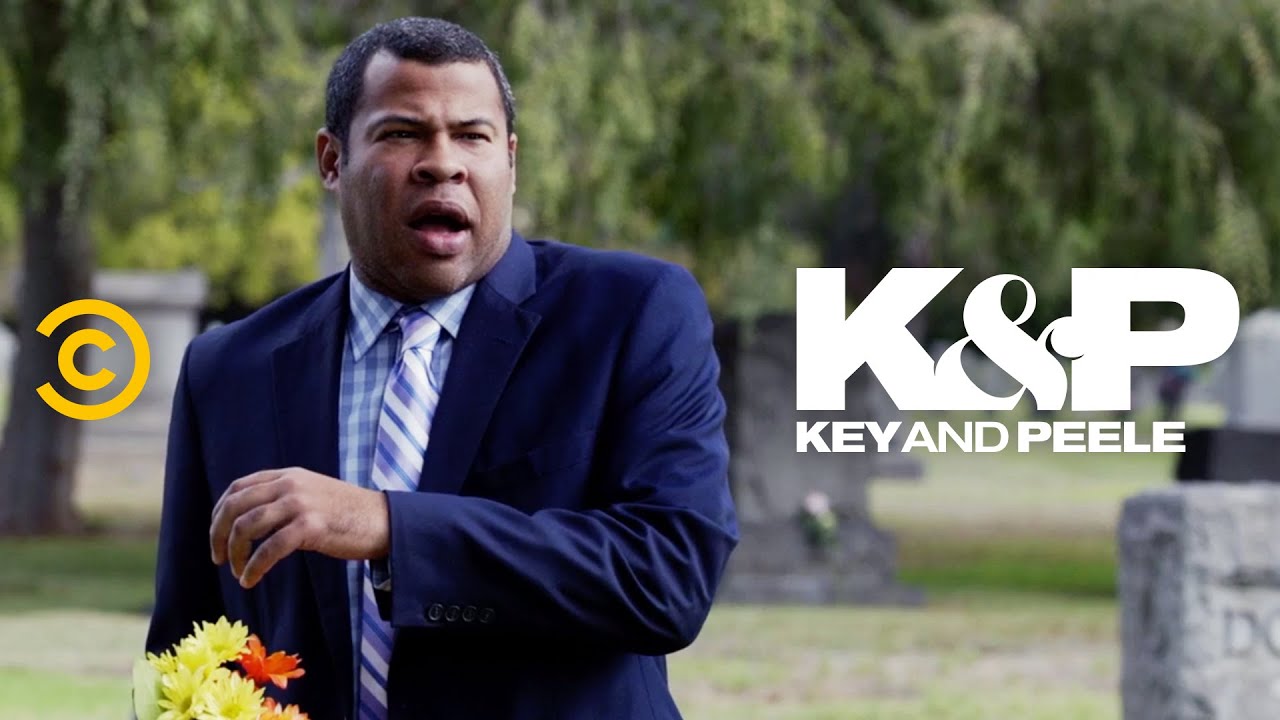
Key & Peele built five seasons out of turning familiar social discomfort into something absurd, and few sketches nail that formula better than “The Most Awkward Run-In You Can Have With an Old Acquaintance.” A man walking through a cemetery gets stopped cold when a spirit rises above the headstones, calling out to him like they’re old friends. The twist isn’t fear — it’s the sinking realization that he has absolutely no idea who this ghost is.
- The sketch swaps a typical Key & Peele setting for a cemetery, where an old acquaintance returns from beyond the grave to reconnect.
- Keegan-Michael Key and Jordan Peele play the encounter as a supernatural version of bumping into someone you can’t place, complete with strained small talk.
- The comedy comes from the mismatch between the dramatic ghostly reveal and the painfully ordinary struggle to remember who the person actually is.
The Setup Flips the Haunting on Its Head
Most ghost-story tropes rely on dread — a slow reveal, a scream, a chase. Key & Peele skip all of that. The ghost simply rises out of the ground the way a coworker might pop up from behind a cubicle, greeting the living man by name and acting as though no time has passed. The horror-movie visual is played completely straight while the dialogue undercuts it instantly, because the man’s first reaction isn’t terror — it’s the panicked scramble of trying to figure out where he knows this person from.
That gap between the visual and the emotional register is where the sketch lives. A rotting, spectral figure hovering over a grave should be the stuff of nightmares, but here it becomes the setup for the same clumsy exchange anyone has had at a grocery store with someone from a decade-old job.
The Awkwardness Builds Like Any Bad Reunion
Once the ghost makes contact, the sketch runs through the exact beats of a real-world awkward run-in: vague references to shared history, forced enthusiasm, and the living man’s obvious effort to fake recognition rather than admit he’s drawing a blank. Key and Peele stretch out the discomfort instead of resolving it quickly, letting each attempt to “jog the memory” fall a little flatter than the last.
The ghost remembers everything. The living man remembers nothing — and has to pretend otherwise.
It’s the same structural trick Key & Peele used across dozens of sketches, including their CIA Interrogation bit — take a scenario with obvious stakes and drain it of urgency by making the characters fixate on something petty and human instead.
The Functional Utility of Bits
The premise resonates because it inverts expectations twice. First, the paranormal element gets neutered — nobody is scared, nobody is running. Second, the social embarrassment gets amplified precisely because it’s happening in a setting where it shouldn’t matter at all. Nobody should care about saving face in front of a ghost, yet the living man does exactly that, fumbling through pleasantries rather than simply admitting he can’t place the guy.
That commitment to the mundane inside the extraordinary is a hallmark of the show’s writing, the same instinct that powered sketches built around anticlimax rather than punchlines, similar in spirit to the deflating energy found in bits like Funniest Interview Ever as actors go off the rails.
The sketch never lets the ghost break character to acknowledge how strange the situation is — he plays it as a totally normal reunion, which is what keeps the scene grounded even as it escalates. That restraint from both performers is what turns a one-joke premise into a sketch people still quote years after it aired on Comedy Central.




When ‘Hot Ones’ Guests Get Overconfident… (Seasons 1-10)
Bodycam Catches Cop Planting Drugs During Traffic Stops
Street Foods Compilation – Square Butter Crispy Pancake, Ice Cream Roll, Tom Yum Soup Fried Rice
Spiced Tuna Fishcakes
Kawhi Leonard & Paul George Full Introduction – Los Angeles Clippers | July 24, 2019