
 InfoSearched
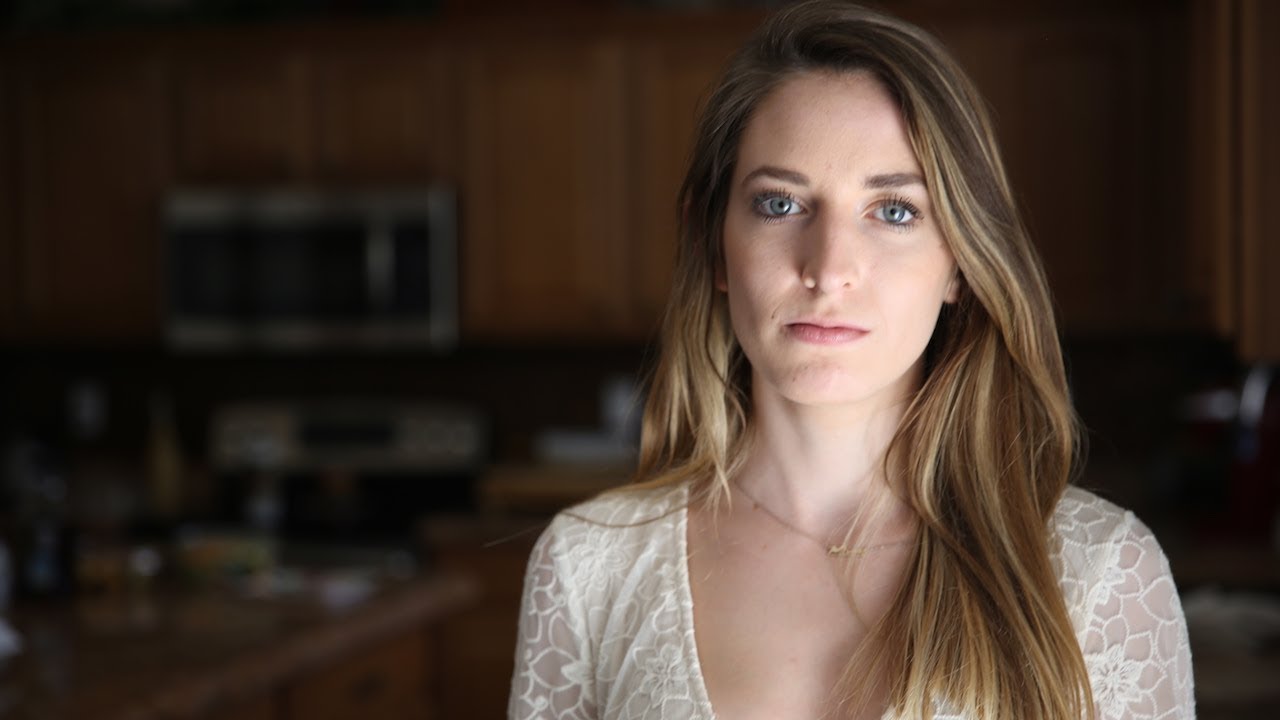
A 22-year-old Arizona woman is asking strangers to help pay for the surgery that would let her live a normal adult life.
Kaylee Moats didn’t find out anything was wrong until she was 18 years old and hadn’t started her period. A trip to the gynecologist turned into a diagnosis of Mayer-Rokitansky-Küster-Hauser syndrome, or MRKH — a rare condition that affects roughly 1 in 4,500 female infants and left Moats without a cervix, a uterus, or a vaginal opening. Barcroft TV’s “Born Different” series caught up with the Gilbert, Arizona resident as she opened up about the diagnosis, her relationship, and the $15,000 surgery bill standing between her and a body that works the way she was told it should.
- Kaylee Moats, 22, of Gilbert, Arizona, was diagnosed with MRKH syndrome at age 18 after never getting her period, discovering she has no cervix, uterus, or vaginal opening despite normal external genitalia and functioning ovaries.
- Her boyfriend, Robbie Limmer, was surprised by the diagnosis but has stayed with her and supported her decision to pursue reconstructive surgery.
- Insurance carriers classified Moats’ vaginoplasty as elective cosmetic or gender-reassignment surgery rather than medically necessary, sticking her family with a $15,000 bill that pushed her to start a crowdfunding campaign.
MRKH Syndrome Clinical Impact Explained
MRKH syndrome is a congenital disorder that derails the development of the Müllerian ducts before birth, the structures responsible for forming the uterus, cervix, and upper vagina. Ovaries and external genitalia typically develop normally, which is exactly why Moats had no outward sign anything was different until adolescence. The giveaway, in her case and in most diagnosed cases, is the absence of menstruation — a girl reaches the age where periods should start, nothing happens, and a gynecologist eventually finds what an ultrasound or MRI confirms.
For Moats, that meant an 18-year-old getting news most people spend their whole lives never having to process: that having penetrative sex, and having children the conventional way, simply wasn’t possible with her anatomy as it stood. She’s described feeling like “less of a woman” in the aftermath, a reaction that tracks with what specialists in the field hear constantly from newly diagnosed patients — the condition doesn’t touch hormone levels or fertility hormones, but it hits identity hard.
Robbie Limmer’s Reaction
Moats’ boyfriend, Robbie Limmer, learned about the diagnosis the way most partners in this situation do — abruptly, and without a script for how to respond. Barcroft’s cameras caught the honest version of that moment: initial surprise, followed by him choosing to stay. Moats has leaned on that support publicly, framing Limmer’s acceptance as the difference between facing MRKH alone and facing it with someone who didn’t treat her as broken.
Insurers called the surgery that would give her a working vagina “cosmetic” — the same category as a nose job, not a medically necessary reconstruction.
The $15,000 Insurance Fight
The medical fix for Moats’ anatomy is a vaginoplasty — a reconstructive procedure that creates a functional vaginal canal. It’s not experimental and it’s not new; surgeons have performed variations of it for decades on MRKH patients specifically. What stopped Moats wasn’t the medicine, it was the paperwork. Her insurance carrier coded the operation as elective cosmetic or gender-reassignment surgery rather than a medically necessary procedure tied to a diagnosed congenital condition, and declined to cover it, leaving her family looking at a $15,000 bill out of pocket.
That coding fight isn’t unique to Moats — MRKH patients across the country have run into the same wall, arguing that a condition present at birth and confirmed by imaging shouldn’t be treated the same as elective cosmetic work. With no coverage forthcoming, Moats turned to crowdfunding to raise the money herself, adding her recovery timeline — which includes months of vaginal dilator use to maintain the surgical result — to the case she’s making publicly for why the surgery matters.
Life After the Diagnosis
What Moats has been open about isn’t just the anatomy — it’s the day-to-day weight of carrying a diagnosis most people have never heard of. MRKH doesn’t show up in blood work at a routine physical and it doesn’t come with a support network built into every hospital system, which is part of why patient-told stories like hers, and the kind of profile documented in other rare-condition coverage, tend to do the heavy lifting of public education that medical literature alone doesn’t. For readers wanting the clinical side of conditions like this, InfoSearched’s Health News coverage tracks similar cases as they surface.
Moats has framed her goal in plain terms — get the surgery, get through the recovery, and get to live an adult life without the condition dictating it. The crowdfunding campaign was still active as of her Barcroft feature, with the $15,000 target standing between where she was and where she wanted to be.




DEADPOOL 3 Teaser (2020) Marvel, New Superhero Movie Trailers HD
Students are fighting climate change, one TikTok video at a time | ABC News
Corona Virus Isolation Box
She’s Catfishing People Again?! ????
Dad Cries Hearing Late Teen Son’s Heartbeat in Stuffed Bear