
 InfoSearched
Corridor Crew points its cameras at the MCU’s stunt work — the good, the bad, and the CGI-heavy.
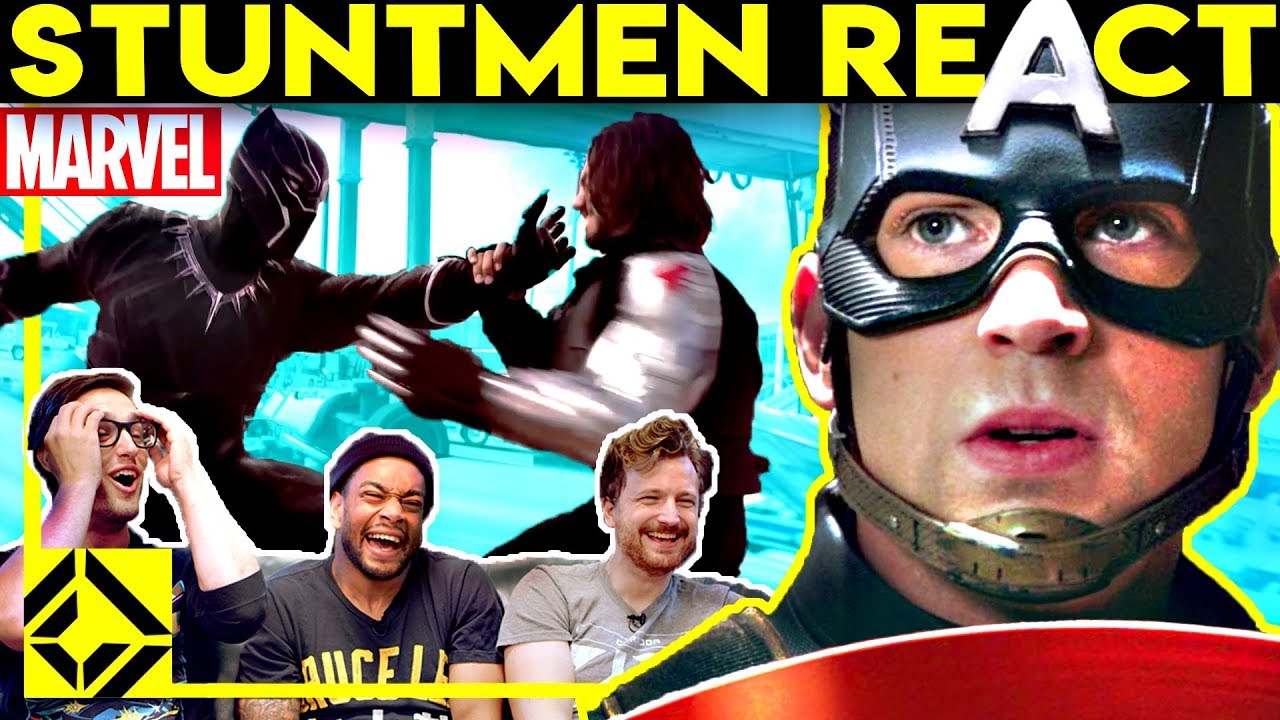
Corridor Digital’s “Stuntmen React” series had only been running since July 2019, but by September it already had enough momentum to take on the biggest action franchise in Hollywood. “Stuntmen React to MARVEL Bad & Great Hollywood Stunts 1,” published on the Corridor Crew channel, puts professional stunt performers in a room to pick apart specific MCU sequences frame by frame. It’s the same format that made “VFX Artists React” a hit — except this time the panel is grading wire rigs, car hits, and fight timing instead of green screens.
- Corridor Crew’s “Stuntmen React” franchise, which debuted in July 2019, dedicates its Marvel-themed episode to breaking down practical stunt work across the MCU, hosted by core members Niko Pueringer and Clinton Jones alongside guest stunt professionals.
- The panel holds up the highway ambush and car chase from “Captain America: The Winter Soldier,” directed by Anthony and Joe Russo, as the sequence that best blends real vehicle stunts and wire work with digital effects.
- The hosts also revisit Black Panther’s one-take casino brawl as a choreography highlight, while flagging the CGI-heavy fights in “Thor: The Dark World” and “Avengers: Age of Ultron” as examples of stunt work losing its weight to digital doubles.
The Winter Soldier Sets the Bar
The centerpiece of the breakdown is the D.C. highway ambush from “Captain America: The Winter Soldier,” where Steve Rogers and S.H.I.E.L.D. operatives get boxed in by the Winter Soldier’s hijacked convoy. The panel walks through how real vehicle impacts, physical combat timing, and camera placement were shot practically on location before VFX was layered in to finish the job. Stunt performer Jay Kim, who worked on the film, called the sequence “well-rehearsed” and “meticulously planned,” pointing to the actual car crashes as the reason the chase reads as dangerous rather than digital.
That’s the throughline for the whole episode — the closer a stunt stays to physics a human body actually has to survive, the better it plays. Fans of the format have already seen Corridor’s crew apply the same lens to non-Marvel work, including their breakdown of the Chris Hemsworth fight scene that made the rounds earlier in 2019.
One Shot, One Take: Black Panther’s Casino Brawl
The panel’s other showcase moment is the casino fight from “Black Panther,” where T’Challa, Okoye, and Nakia collide with Ulysses Klaue and his henchmen in a sequence built around long, unbroken takes that move between hand-to-hand combat, gunplay, and acrobatics without a cut. Stunt coordinator Jonathan Eusebio, who worked on the film, credited the cast for putting in the reps required to sell the choreography on camera.
“Long takes” and “complicated choreography” — Jonathan Eusebio on why the Black Panther casino fight holds up.
It’s the kind of sequence that lines up with the practical-stunt training culture Corridor’s hosts keep gravitating toward across the channel — the same instinct behind their look at the combat training footage from “The Old Guard.”
CGI Diminishes Visual Impact
Not every sequence gets the same praise. The panel singles out the climactic battle between Thor and Malekith in “Thor: The Dark World,” a fight built around gravity-shifting, dimension-hopping visuals that stunt coordinator Damien Walters — who worked on the film — admitted he wished had leaned harder on practical stunts. The complaint isn’t that the effects look bad; it’s that the choreography becomes hard to track once the human stakes disappear behind the CGI.
The Hulk-versus-Iron Man fight from “Avengers: Age of Ultron” draws a similar critique. Stunt coordinator Greg Powell, who worked on the film, told the panel he wanted more practical elements and a greater sense of real danger in the sequence, arguing that leaning too far into digital doubles strips a fight of the weight that makes a punch actually feel like it lands.
Inside the Format
What makes the episode work as more than a highlight reel is the access it gives viewers to how stunt coordinators actually think about risk. The hosts and their guests aren’t just picking favorites — they’re explaining wire rigging, speed ramping, and impact choreography the way a coordinator would explain it on set, which is the entire appeal of the “Stuntmen React” format Corridor built off the back of “VFX Artists React.”
Corridor didn’t stop at one Marvel episode — the “Bad & Great Hollywood Stunts 1” title makes clear there was more mining to do, and the channel kept the “Stuntmen React” format running well past this installment, working through franchise after franchise with the same panel of coordinators calling out what’s real and what’s rigged.







Retired Police Officer Guesses Who’s Drunk Out Of A Lineup
THE ROOM Official Trailer (2020)
2020 Democratic Debate – SNL
4 Levels of Fried Chicken: Amateur to Food Scientist | Epicurious
Why Ellen DeGeneres Is A NIGHTMARE To Work With