
 InfoSearched
Classified Communist Party documents just confirmed what Beijing spent years denying.
On November 24, 2019, the International Consortium of Investigative Journalists and 17 media partners published the “China Cables,” a leaked cache of internal directives governing Xinjiang’s detention camp system. The documents mark the first time Beijing’s own paperwork — not satellite images, not survivor testimony, but the government’s actual operating manual — has confirmed the mechanics of a system believed to hold more than a million Uyghurs and other Muslim minorities. The leak lands squarely in the middle of a story world news outlets have chased for years without this level of paper trail.
- The centerpiece document is a 2017 operations manual from Xinjiang’s Political and Legal Affairs Commission, signed by deputy party chief and security chief Zhu Hailun, laying out 24-hour surveillance, double-locked dormitory doors, and mandatory ideological “reform” before release.
- Four classified bulletins from the Integrated Joint Operations Platform, Xinjiang’s predictive-policing AI, show 24,412 people flagged as “suspicious” in a single week in June 2017 in southern Xinjiang alone, with 15,683 of them sent to camps.
- Adrian Zenz, who verified the documents’ authenticity alongside linguistics specialists, called the internment drive potentially the largest mass detention of an ethno-religious minority since the Holocaust; China’s government dismissed the entire leak as “pure fabrication and fake news.”
Contents of the Leaked Manual
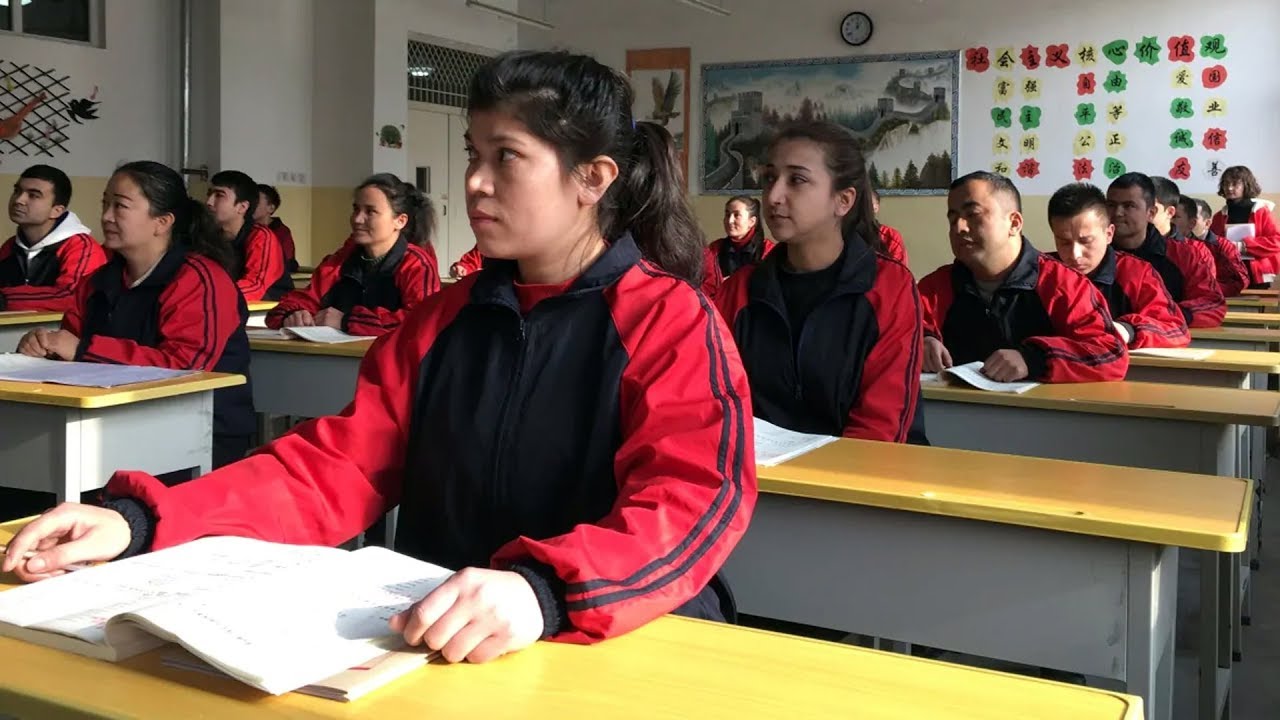
Beijing has spent years describing the Xinjiang facilities as “vocational training centers” that Uyghurs enter voluntarily. The 2017 operations manual obtained by ICIJ says otherwise in the state’s own language. It instructs staff to maintain video surveillance “with no blind spots,” keep dormitory doors double-locked, and enforce strict guard rotations — protocols written for a detention facility, not a classroom. Detainees are referred to as “students,” but their release depends on formal evaluation of Mandarin proficiency, discipline, and what the document calls ideological transformation.
Predictive Policing by Algorithm
The second set of files exposes how people end up in the camps in the first place. The Integrated Joint Operations Platform, Xinjiang’s AI-driven surveillance system, generates intelligence bulletins that flag individuals for detention based on behavior patterns rather than any specific crime. One flagged trigger: using Zapya, an offline file-sharing app with more than 1.8 million Uyghurs on it. In just one week in June 2017, the system flagged 24,412 people as suspicious in southern Xinjiang, and 15,683 of them were placed into camps. Other directives in the leak specifically target foreign passport holders and Uyghurs with relatives or contacts overseas.
15,683 people sent to camps off a single week’s algorithmic flagging in southern Xinjiang alone.
Beijing’s Denial Versus the Paper Trail
China’s government responded to the ICIJ investigation by calling the documents “pure fabrication and fake news,” repeating its longstanding line that Xinjiang’s facilities exist to counter religious extremism and terrorism. That denial now sits directly against a signed operational manual bearing Zhu Hailun’s name and an AI surveillance apparatus whose own bulletins describe flagging tens of thousands of people in a matter of days. Adrian Zenz, who has tracked the camp system for years, worked with linguistics specialists to authenticate the leak before it published, and has described the scale of detention as rivaling the largest forced internments of a religious minority in modern history. Coverage of the leak fits into the wider run of news and politics stories built on document-based investigations rather than secondhand accounts.
The China Cables give investigators, governments, and rights groups something they didn’t have before: Beijing’s own internal instructions, signed and dated, describing a system it publicly insists doesn’t work the way the paperwork says it does. What happens next runs through capitals, not courtrooms — whether governments citing this leak move past statements of concern into actual consequences for Chinese officials named in the documents, starting with Zhu Hailun himself.










Dubai: Expectation vs reality – BBC News
A Star Wars Is Born – “Shallow” Parody (Nerdist Presents)
Viral London Tube Singer Performs ‘Shallow’
What’s going on with China’s economy? – BBC News
RECORD BREAKING BIRD!!! Roasting an Ostrich WHOLE!!! (NEVER BEFORE ATTEMPTED!!!!)