
 InfoSearched
Deep in the eastern Pacific sits an island pirates couldn’t stop talking about — and treasure hunters still can’t leave alone.
Cocos Island, or Isla del Coco, is a 23.85-square-kilometer speck of rainforest sitting roughly 550 kilometers off Costa Rica’s Pacific coast, uninhabited, unreachable by casual tourists, and soaked by some of the heaviest rainfall on Earth. European navigators logged it in the early 16th century, and for the next 300-plus years it functioned as a working pit stop for buccaneers who needed freshwater and a hidden anchorage more than they needed a map. What’s kept people coming back since isn’t the scenery. It’s the money nobody has ever dug up.
- The “Treasure of Lima” — chests of coins, jeweled chalices, and a life-sized solid gold statue of the Virgin Mary — was allegedly buried on Cocos in 1820 by British captain William Thompson of the brig Mary Dear, and today’s estimates put its value between $160 million and $200 million.
- More than 400 separate treasure expeditions have landed on the island searching for that loot and others, including hoards tied to Portuguese pirate Benito “Bloody Sword” Bonito (1818-1819) and Captain Bennett Graham’s Devonshire cache.
- German prospector August Gissler lived on Cocos as its appointed governor from 1889 to 1908 hunting for the treasure and came away with only a handful of gold coins; President Franklin D. Roosevelt visited the island multiple times in the 1930s.
A Pirate Pit Stop That Became a Legend
Cocos Island’s rainforest interior and sheltered coves at Chatham Bay and Wafer Bay made it valuable for a reason that had nothing to do with gold: fresh water. Ships crossing the eastern Pacific used it as a resupply point for centuries, and its total isolation — no permanent population, no easy landing — made it just as useful for hiding from authorities as for hiding from storms. That combination of remoteness and reliable anchorage is exactly what turned it into a magnet for buccaneers in the first place.
The Treasure of Lima’s Bloody Origin Story
The island’s central legend dates to 1820, during the wars for South American independence, when Spanish colonial authorities in Lima handed over the city’s wealth to Captain William Thompson for safekeeping aboard the Mary Dear. According to the story, Thompson and his crew killed the Spanish guards assigned to the shipment, sailed for Cocos, and buried it. The haul allegedly included coin chests, jeweled chalices, and a solid gold, life-sized statue of the Virgin Mary — a fortune now valued well north of $160 million and possibly closer to $200 million. It has never surfaced.
Over 400 expeditions have landed on Cocos Island chasing that gold. Not one has walked away with it.
Four Hundred Expeditions, Almost Nothing to Show
Thompson’s buried fortune isn’t the only rumored stash on the island — Benito “Bloody Sword” Bonito is said to have hidden his own loot there around 1818-1819, and Captain Bennett Graham’s Devonshire hoard adds a third name to the ledger. German prospector August Gissler took the search seriously enough to move there, serving as the island’s appointed governor from 1889 to 1908 and digging for nearly two decades. He found a few gold coins and nothing resembling a fortune. Even President Franklin D. Roosevelt made the trip more than once in the 1930s, drawn by the same story that has pulled in treasure hunters for a century and a half.
A Geological Outlier With Its Own Weather System
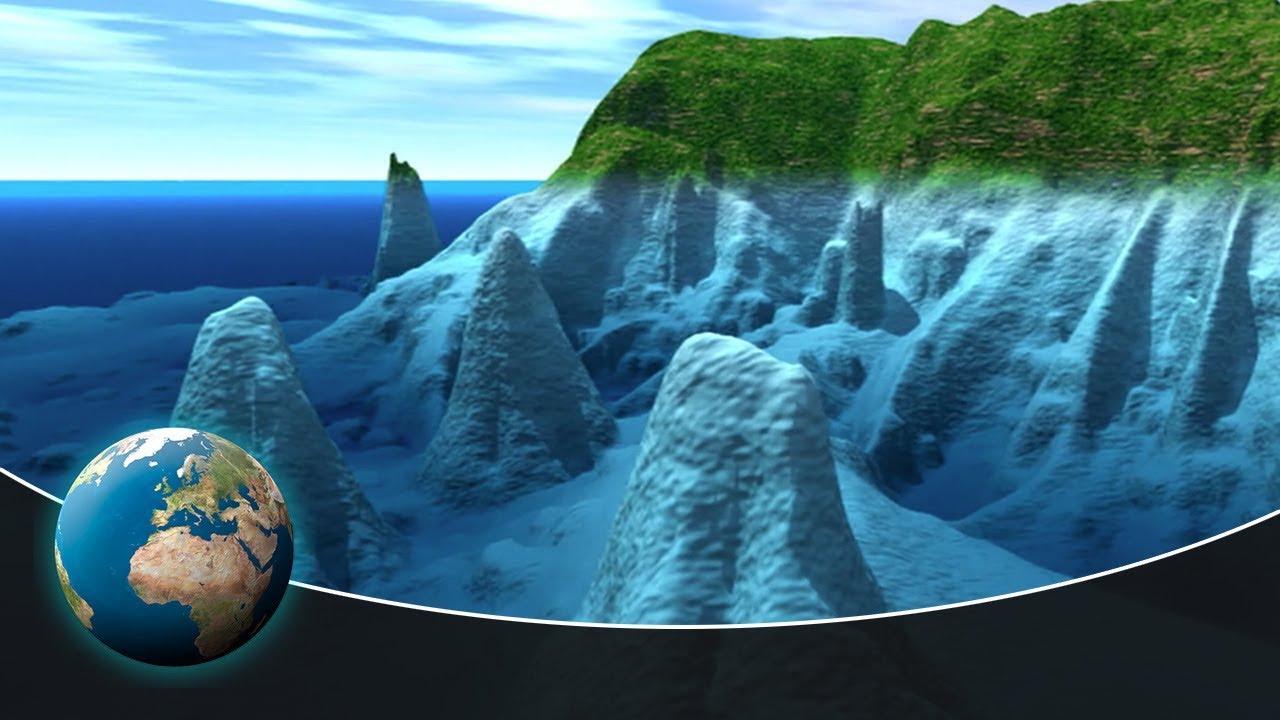
Strip away the pirate lore and Cocos is still one of the stranger spots on the planet geographically. It’s the highest point of the Cocos tectonic plate and the only island in the eastern Pacific that supports a tropical cloud forest, a byproduct of oceanic moisture slamming into its steep, abrupt peaks. That collision drives annual rainfall of roughly 5,000 to 7,000 millimeters — among the wettest totals recorded anywhere — and it’s produced a biome unlike anything else in that stretch of ocean, a phenomenon that puts Cocos in the same conversation as some of the most extreme natural phenomena in the world.
Scope of Legal Protections
The Costa Rican government now bans excavation on Cocos entirely, and the island sits inside Cocos Island National Park, a UNESCO World Heritage Site valued for its pelagic biodiversity — schooling hammerhead sharks in particular draw divers from around the globe. That legal protection means the Treasure of Lima, if it’s really down there, is staying down there. Isolated, treasure-obsessed island stories tend to attract the same kind of speculation that’s followed other secretive private landmasses, including the lingering questions around what really happened on Jeffrey Epstein’s private island, though Cocos earned its mystery honestly, one failed dig at a time.
Nobody’s getting a permit to dig on Cocos anymore, and that’s really the whole story now — 400-plus expeditions came up empty, the park rangers took over from the treasure hunters, and the only thing anybody’s guaranteed to find down there today is a hammerhead shark and about seven meters of rain a year.





THE TOMORROW WAR Trailer 2 (2021)
Strawhatz – Ching Revisited
Dog Reunited with Family Gets So Happy After She Recognizes Their Scent
Joe Rogan Experience #1351 – Dan Aykroyd
Jimmy Fallon and The Tonight Show Return to Rockefeller Center