
 InfoSearched
She was the fastest teenage runner in American history, and she says Nike’s Oregon Project nearly destroyed her.
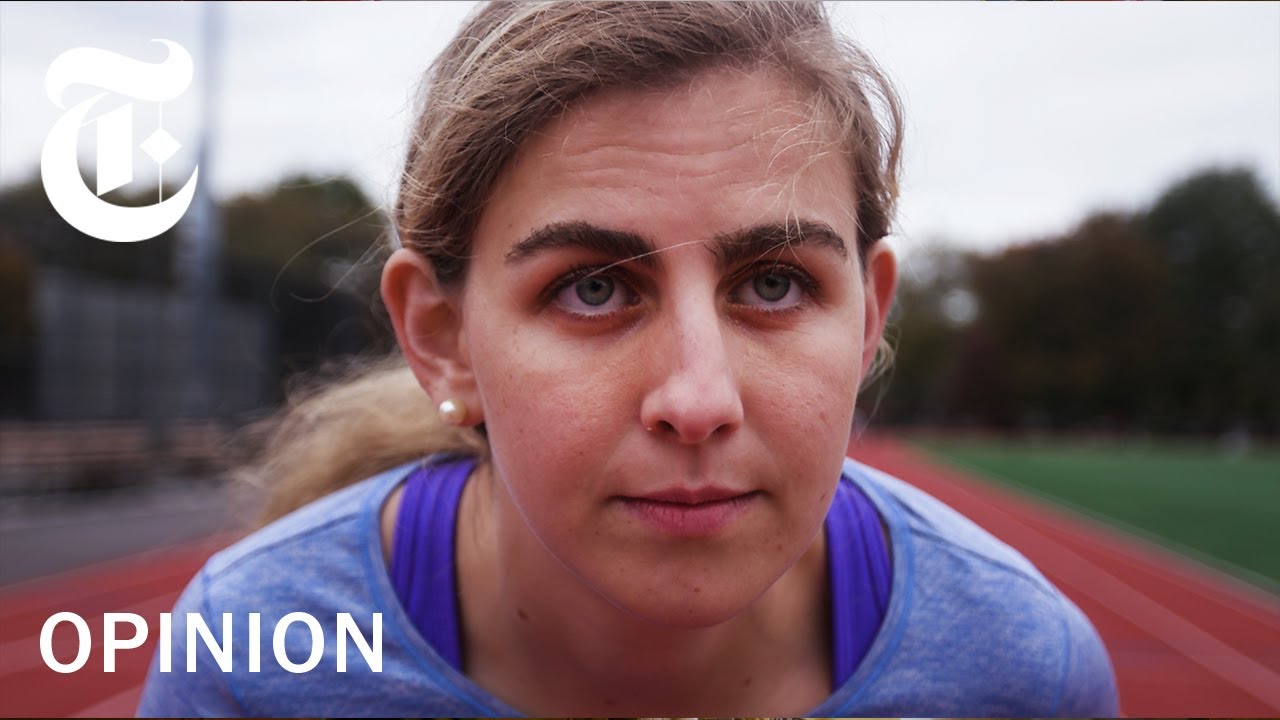
Mary Cain broke national high school records, made a World Championships team at 17, and signed a professional contract with Nike before she could legally vote. Four years later she walked away from the sport’s most storied training group, the Nike Oregon Project, and stayed silent about why. On November 7, 2019, she broke that silence in a seven-minute op-ed video for The New York Times titled “I Was the Fastest Girl in America, Until I Joined Nike,” describing years of weight-shaming, banned diuretics, lost menstrual cycles, five broken bones, and thoughts of suicide under head coach Alberto Salazar.
- Cain says Salazar demanded she weigh 114 pounds, weighing her publicly in front of male teammates and pushing birth control pills and banned diuretics to get her there.
- The resulting caloric restriction and overtraining gave her the female athlete triad — she lost her period for three years, developed osteoporosis, and broke five bones.
- The op-ed arrived one month after the U.S. Anti-Doping Agency banned Salazar for four years for doping violations, a ruling that led Nike to shut down the Oregon Project in October 2019.
A Prodigy Signs With the Biggest Name in the Sport
Cain was still a teenager when she became the youngest American track and field athlete to make a World Championships team, and by 2013 she was being called the most talented young distance runner the country had produced in decades. Turning pro that same year, she signed with Nike and joined the Oregon Project, the company’s elite training group run by Alberto Salazar, a former marathon champion turned coach to Olympic medalists. It was framed as the fast track to greatness — instead, Cain says, it put her under an all-male coaching staff with no certified sports nutritionist and no psychologist on hand to catch what was happening to a teenage girl living far from home.
The Number That Ran Her Life
According to Cain, Salazar became fixated on getting her down to 114 pounds, an arbitrary target that had nothing to do with her performance and everything to do with an image of what a female distance runner should look like. She says he weighed her in front of her teammates and pushed her toward birth control pills and banned diuretics to shed weight fast. Former Oregon Project runner Kara Goucher corroborated the pattern of public weigh-ins and psychological control, and former Nike athlete Lauren Fleshman argued the entire system was built around male physiology and used to exploit young female runners who had no real power to push back.
114 pounds — the number Alberto Salazar fixated on, weighing Mary Cain in front of her male teammates until she got there.
Five Broken Bones and a Body in Crisis
The physical toll was severe and well-documented in the piece: Cain developed the female athlete triad, the combination of disordered eating, lost menstrual function, and weakened bones that has quietly derailed the careers of countless young women in endurance sports. She lost her period for three years, was diagnosed with osteoporosis as a teenager, and broke five bones during her time in the program. Cain says that when she tried to tell coaches and staff what was happening to her body, she was largely ignored — and the isolation eventually led her to start cutting herself and contemplating suicide.
Leaving the Oregon Project
Cain says the breaking point came after a poor performance at a 2015 meet, when Salazar berated her in public. Not long after, she left the Oregon Project for good, walking away from the group that had signed her as its next star. In response to her allegations, Salazar sent an email denying that any athlete under his watch suffered abuse or gender discrimination, insisting he had cared about Cain’s health throughout her time with the team.
The Fallout for Nike
Cain’s video arrived at a pointed moment. USADA had banned Salazar for four years just weeks earlier over doping violations, a ruling that forced Nike to dissolve the Oregon Project entirely in October 2019. Her account, paired with Goucher’s and Fleshman’s, turned a doping scandal into a broader reckoning over how the sport’s biggest sponsor treated its youngest female athletes — the kind of story that belongs alongside other public reckonings over how brands police women’s bodies, the same conversation that followed Jessica Simpson’s call-out of Vogue over body shaming.
Salazar’s ban and Nike’s shutdown of the Oregon Project were already public record before Cain spoke. What she added was the part nobody outside the program had heard: what it actually cost a 17-year-old record-holder to chase times for a team that, by her account, never bothered to ask if she was okay.










Eminem’s Mom Sued Him For $10m
Jim Scares Dwight Prank (EXCLUSIVE DELETED SCENES) – The Office US
Chris Hemsworth – Craziest Fight Scene
What If You Were Swallowed by a Whale?
China locks down 2 cities to hinder spread of deadly virus