
 InfoSearched
The dojo is empty, the sensei’s résumé is nonsense, and Keegan-Michael Key isn’t buying a word of it.
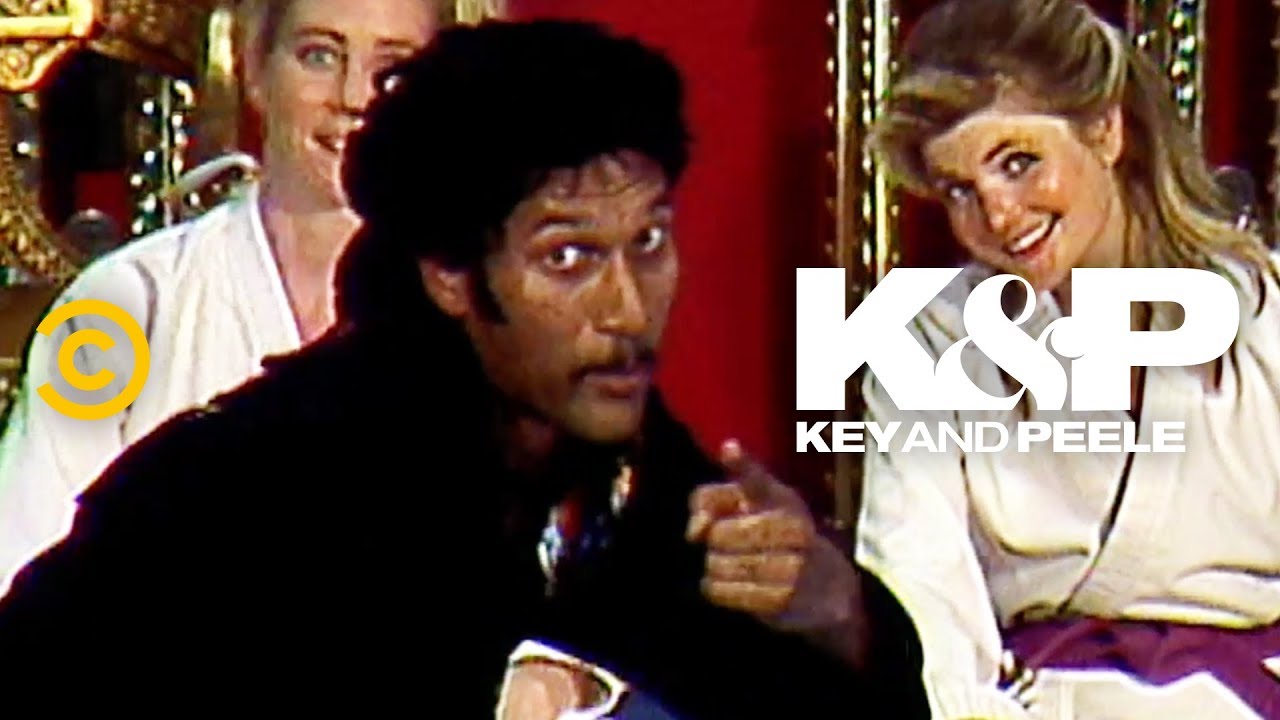
“Pretty Sure This Guy Isn’t a Real Sensei” is one of the more quietly savage sketches in the Key & Peele catalog, built on a single premise: what happens when a new student actually calls out the fraud running the strip-mall dojo. Jordan Peele plays the self-styled grandmaster, all robes, gibberish mantras and theatrical hand-waving. Keegan-Michael Key plays the new guy who came for a real lesson and instead gets a masterclass in bluffing.
- Jordan Peele’s sensei character presents himself as an enlightened master of Eastern philosophy and lethal combat, but leans entirely on exaggerated pantomime and nonsensical vocalizations instead of actual technique.
- Keegan-Michael Key’s skeptical student directly challenges the sensei’s background and technique, pointing out that the supposedly lethal moves have no real form and can’t withstand basic contact.
- Rather than own up to the fraud, the sensei escalates the theatrics and demands strict deference from his student, doubling down instead of backing down.
The Setup
The sketch drops Key’s character into a class already in progress, dressed in traditional martial arts attire and ready to learn from a man who talks like he’s been handed ancient secrets in the mountains of Japan. Peele plays the role completely straight, which is exactly why it works — the character never winks at the audience, never breaks the spiritual posturing, even as the “lesson” collapses into noise and flailing.
That commitment is the engine of the bit. Peele has built a career on inhabiting outsized characters without irony, and the sensei is a clean example: an eccentric who has clearly convinced himself, if no one else, that he’s the real deal.
The Student Who Won’t Play Along
Key’s character is the audience surrogate, and he doesn’t stay quiet for long. As the lesson goes on, he starts openly questioning the sensei’s legitimacy — asking about the actual training, testing whether the moves hold up to real contact, and generally refusing to nod along with the mysticism. It’s the same instinct Key brought to sketches like CIA Interrogation, where his character is the one person in the room unwilling to accept the premise everyone else has bought into.
The sensei can’t stand up to a basic karate chop, and Key’s character notices immediately.
That single exchange is the crux of the sketch: the “master” talks like he’s untouchable and folds the second anyone tests him. Instead of conceding the point, the sensei just gets louder and more theatrical, demanding respect he clearly hasn’t earned.
The Target of the Joke
What the sketch is actually skewering is a familiar trope — the suburban dojo run by a self-proclaimed grandmaster who trades on Eastern mystique and showmanship instead of discipline. Where something like the Bruce Lee lore explored in Unexplainable Bruce Lee Moments holds up genuine mastery as almost mythic, “Sensei” flips that reverence into parody, letting Peele’s character borrow all the aesthetics of a real master with none of the substance underneath.
The comedy lands because the fraud is so specific: the exaggerated pantomime, the nonsensical vocalizations, the insistence on strict deference from a student who’s clearly smarter than the situation he’s in. It’s less a joke about martial arts and more a joke about the con artists who use martial arts as cover.
Key’s character never gets a real lesson, and the sensei never drops the act — that’s the whole bit, and it’s why the sketch has stuck around as one of the duo’s most quoted two-minute stretches, still getting passed around years after it first aired on Comedy Central.



Why Hollywood Won’t Cast Erik von Detten Anymore
ALADDIN Genie Behind The Scenes Blu-ray Bonus Clips
Fan Wins Big in a Double Dose of ‘Make It Rain’
Eric Andre Pranks Beyoncé Fans
How Dads Flex on Other Dads