
 InfoSearched
Forty kids, one abandoned Western town, zero adults in charge — and CBS actually put it on the air.
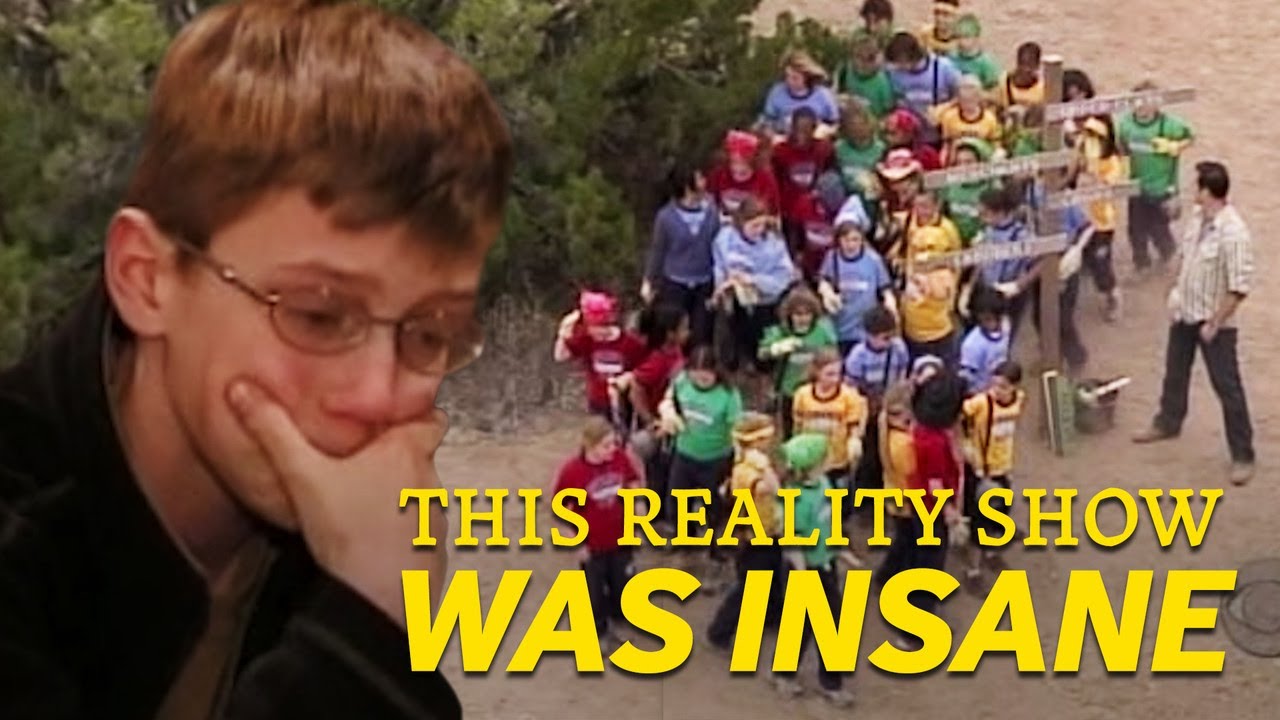
Twelve years after it aired, Funny Or Die is going back to dissect the 2007 CBS series that network executives probably wish everyone forgot. The retrospective series kicks off with “Was ‘Kid Nation’ The Worst Reality Show Ever Made? | E1 – ‘I’m Trying To Be A Leader Here,'” unpacking a production that dropped 40 kids, ages 8 to 15, into a fenced-off ghost town with no adults, no running water, and a camera crew rolling around the clock.
The show’s pitch alone should have set off alarms: strip away every adult safety net and see if children can build a working society from nothing. What actually happened on set — burns, a bleach-drinking scare, and a legal workaround that let producers dodge child labor law — is exactly why this show never got a second season, and exactly why it’s getting picked apart again now.
- Producer Tom Forman placed 40 kids, ages 8 to 15, in the abandoned Bonanza City movie set in New Mexico for 40 days, split into four color-coded districts (upper class, merchants, cooks, laborers) competing for town bonuses and gold stars worth $20,000 to $50,000.
- 11-year-old Divad Miles suffered facial burns from hot grease while cooking, and her mother filed an official complaint alleging abusive labor practices; separately, a child accidentally drank bleach from an unlabeled bottle mistaken for seltzer water and needed emergency treatment.
- Parents signed a 22-page liability waiver, and producers avoided standard child labor regulations by classifying the show as an exempt summer camp; CBS never renewed ‘Kid Nation’ for a second season after the backlash.
The Premise Nobody Should Have Approved
Forman’s concept for ‘Kid Nation’ was simple on paper and reckless in practice: take 40 kids with no relation to each other, drop them into the deserted Bonanza City set, and let them run the town — cooking, cleaning, governing, and settling disputes — for 40 straight days without adult intervention. There was no running water, no electricity, no phone lines, and, notably, just one outhouse for the entire population. CBS framed it as a social experiment in self-governance; critics framed it as child labor with a laugh track.
Kids were sorted into four districts based on a class structure — upper class, merchants, cooks, and laborers — and made to compete in challenges for town bonuses and gold stars that could be worth tens of thousands of dollars. The stakes were real money, the workers were grade-schoolers, and the supervision was a camera crew, not a chaperone.
The Legal Workaround That Made It Possible
None of this could have happened without CBS getting parents to sign off first. Each family signed a 22-page liability waiver disclaiming the network’s responsibility for medical harm or injury before their child ever set foot in New Mexico. That waiver became the production’s shield once things started going wrong on set.
Producers also classified the entire shoot as an exempt summer camp rather than a standard film production, which let them sidestep child labor laws that would otherwise have capped hours and required on-set tutors for kids working around the clock. That distinction is exactly why state officials opened an investigation into whether the production had violated child labor statutes in the first place.
Grease Burns and a Bleach Scare
The incidents that turned ‘Kid Nation’ into a legal headache weren’t hypothetical. Eleven-year-old Divad Miles suffered facial burns when hot grease splattered on her during a cooking assignment, and her mother filed a formal complaint accusing the production of abusive labor practices. Off camera, the situation got even scarier: a child drank bleach that had been left in an unlabeled bottle and mistaken for seltzer water, requiring immediate emergency medical treatment.
Producers sidestepped standard film labor regulations by classifying the production as an exempt summer camp.
Those two incidents are what pulled ‘Kid Nation’ out of the entertainment pages and into actual regulatory scrutiny — the kind of on-set failure that shows up in complaints and investigations, not just bad reviews. It’s the same pattern that’s surfaced in other shows where the finished broadcast looked nothing like what was actually happening behind the scenes, a gap that’s been picked apart in cases like the behind-the-scenes complaints leveled against Ellen DeGeneres’s set.
Reasons Behind CBS Canceling Season Two
By the time ‘Kid Nation’ premiered on CBS in September 2007, the damage was already done. Advertisers pulled back, child welfare groups went public with objections, and state officials were actively examining whether the production had crossed legal lines by running kids through unsupervised, round-the-clock filming without educational tutors. CBS let the show air its one season and quietly declined to bring it back — no formal cancellation announcement needed once the boycotts and legal exposure made the math obvious.
It’s the same reckoning that eventually catches up with any format built on exploiting people who can’t consent to the risk, a dynamic that’s echoed in how other spectacle-driven productions have been exposed once the curtain gets pulled back years later.
Funny Or Die’s title for this first episode — “I’m Trying To Be A Leader Here” — is lifted straight from the kind of desperate, in-over-their-head moments the original footage was full of. If the retrospective series keeps going episode by episode through ‘Kid Nation”s single season, there’s a lot more of that footage left to dig through, given the show ran a full 13 episodes on CBS before the network let it die quietly.


A$AP Rocky Arrested in Sweden After a Street Altercation | The Daily Show
Bodycam Catches Cop Planting Drugs During Traffic Stops
New questions about secret Russian submarine’s mission before fatal fire
Why Planes Don’t Fly Faster
All The Details In The ‘Wonder Woman 1984’ Trailer You Might Have Missed | Pop Culture Decoded