
 InfoSearched
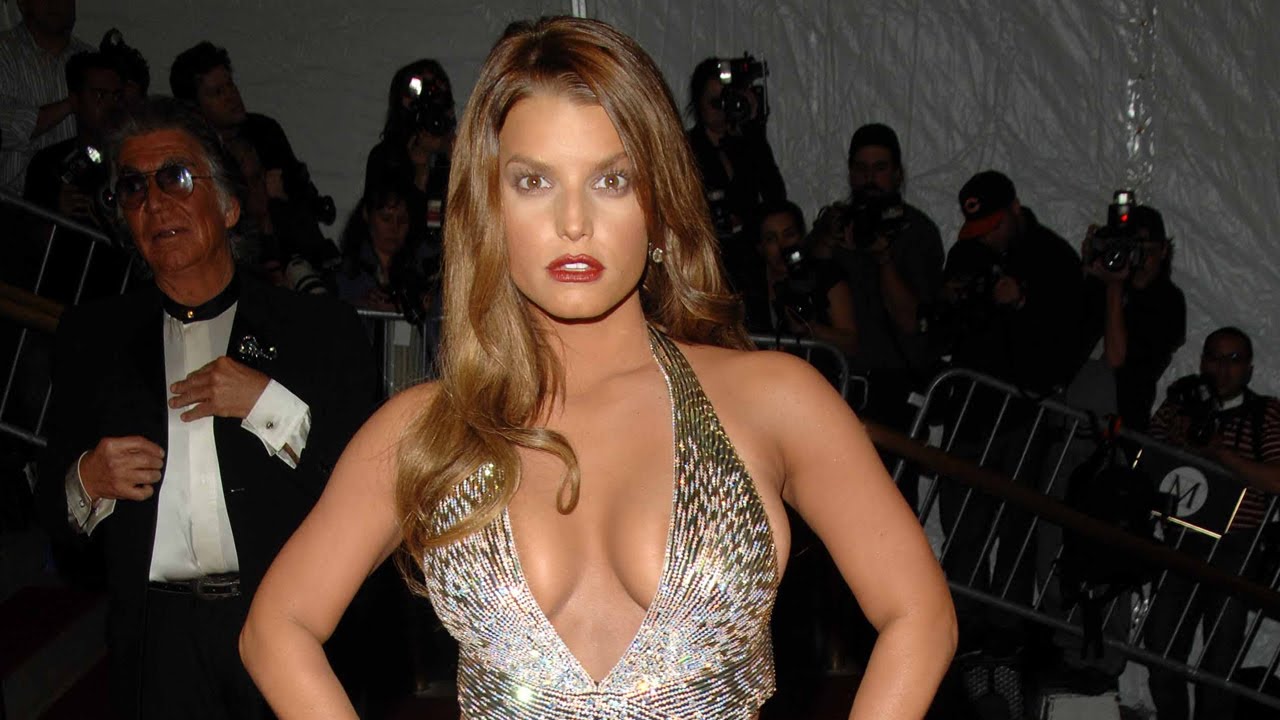
Jessica Simpson wasn’t going to let Vogue get away with a punchline about her chest at a dinner table thirteen years later.
On May 4, 2020, Vogue published “Only at the Met: An Oral History of the World’s Most Glamorous Gala,” a retrospective built from firsthand recollections of past Met Balls. Buried in the piece was a crude anecdote about Simpson’s 2007 appearance with then-boyfriend John Mayer, credited to former Vogue digital creative director Sally Singer. Simpson read it, and by the next day she’d fired back on Instagram with a photo, a caption, and a message that Vogue couldn’t ignore.
- Sally Singer’s account in Vogue’s May 4, 2020 oral history described Simpson’s breasts as being “across from me at the dinner table” and “on a platter,” while claiming Mayer had his hands on them.
- Simpson responded on Instagram on May 5, 2020, posting the famous photo of Sophia Loren eyeing Jayne Mansfield’s neckline and writing that she’d “persevered through shaming my own body” for her entire adult life.
- Vogue issued a formal apology, stating it was “sorry that Jessica felt body-shamed by the anecdote” and that shaming her “was never our intent.”
The Anecdote Vogue Printed
The oral history was meant to be a glossy walk through Met Gala lore, stitching together quotes from designers, editors, and gala insiders about the event’s most memorable nights. Singer’s contribution focused on the 2007 Met Ball, which Simpson attended on Mayer’s arm, and framed a reported wardrobe mishap on the red carpet as a setup for the dinner-table comment that followed. Vogue ran it without softening the language, and it sat online for a full day before Simpson addressed it publicly.
Simpson’s Instagram Rebuttal
Simpson didn’t just deny the account — she reframed it. Her caption called the oral history “inaccurate” and took aim at the fact that the shaming came from a woman, at a “classiest fashion event there is,” in 2020. She’d built a career navigating exactly this kind of commentary about her body long before the Vogue piece, the same scrutiny that’s followed plenty of other famous women whose public appearance gets picked apart far more than their work does.
I have persevered through shaming my own body and internalizing the world’s opinions about it for my entire adult life. To read this much anticipated article about the classiest fashion event there is and have to be shamed by another woman for having boobs in 2020 is nauseating.
The choice of the Loren-Mansfield photo wasn’t incidental — it’s one of the most cited images in pop culture history precisely because it captures one woman visibly judging another’s body in public. Simpson used it to draw a straight line from a 1957 party to a 2020 magazine piece, arguing nothing about the underlying behavior had actually changed.
Vogue’s Response
The backlash moved fast enough that Vogue issued a statement walking back the anecdote rather than defending it. The magazine’s apology stopped short of retracting the full oral history but conceded the specific passage crossed a line, saying the outlet understood Simpson’s reaction even though shaming her “was never our intent.” It’s the kind of reversal that’s become familiar for outlets whose coverage of a celebrity’s body draws more heat than the story it was attached to.
The Significance of Timing
Simpson has spent years publicly discussing her relationship with her weight and public image, making her response feel less like a one-off complaint and more like the continuation of a fight she’s been having in public for over a decade. The gap between Vogue’s publication on May 4 and its apology arriving within days shows how little room outlets had to sit on a story like this once Simpson’s post started circulating.
Vogue’s oral history is still out there, minus the goodwill it was probably hoping to generate — the apology addressed Simpson’s reaction, not the piece itself, and there’s no indication the magazine pulled or edited Singer’s passage. For a story built to celebrate the Met Gala’s glamour, it ended up remembered mostly for the sentence Simpson refused to let stand.








Why Planes Don’t Fly Faster
THE BEST UPCOMING MOVIES 2020 (New Trailers)
Low Calorie Easy No-Bake Desserts
The Actual Pasta Prince of LA – Street Food Icons
Taylor Swift – The Man (Live From Paris)