
 InfoSearched
A $110 million reboot collapsed because its hero was actively unlikable.
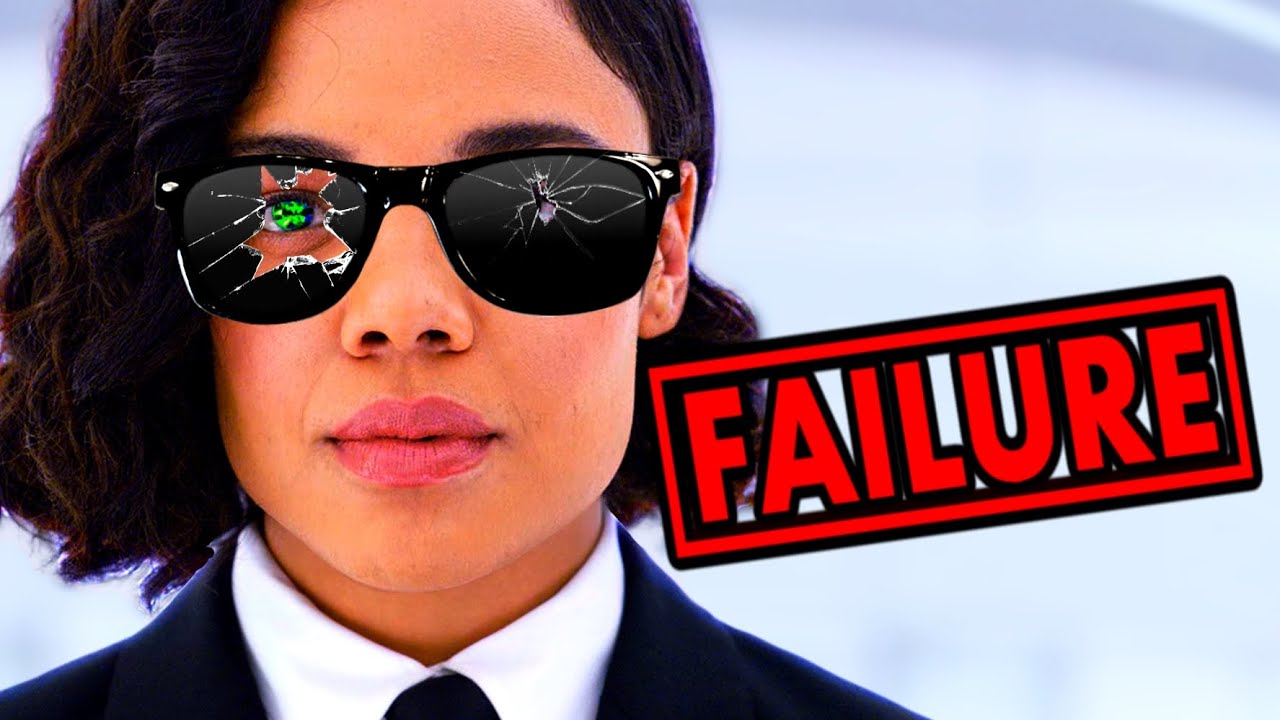
On September 13, 2019, film essayist channel Filmento posted “Men In Black International — How to Build a Toxic Hero | Anatomy Of A Failure,” a teardown of Sony’s summer flop that skips the tabloid drama and goes straight for the film’s core defect: Chris Hemsworth’s Agent H. Rather than cataloguing the reshoots and studio infighting, the video argues the movie’s real failure is structural — it built a protagonist audiences were never given a reason to like.
- Men in Black: International opened domestically to just $30.1 million against a 25% Rotten Tomatoes score.
- Director F. Gary Gray and producer Walter Parkes reportedly clashed on creative direction, with extensive, uncoordinated dialogue rewrites happening on set.
- Filmento’s central argument: Agent H is written as an arrogant, lazy, incompetent veteran whose mistakes routinely sabotage missions without earning any real comedic payoff or redemption arc.
A Franchise Built on Chemistry, Missing Its Chemistry
The original Men in Black worked because of a lopsided but functional partnership — Will Smith’s rookie energy bouncing off Tommy Lee Jones’ world-weary discipline. That mentor-mentee dynamic gave both characters something to do: Jones anchored the stakes, Smith supplied the wide-eyed comic relief, and the friction between them felt earned. Filmento’s video points out that International never bothers to replicate that structure. Instead of a rookie learning from a veteran, Tessa Thompson’s Agent M is dropped into a partnership with a “veteran,” Agent H, who is somehow less competent and less mature than she is from the jump.
That inversion sounds clever on paper but collapses the entire engine of the franchise. There’s no lesson for H to teach M, and no clear reason the two should trust each other. Hemsworth and Thompson had already shown real screen chemistry together in Thor: Ragnarok, but the video argues the script gives them nothing comparable to work with here — no organic banter, no earned trust, just a series of scenes where M cleans up H’s messes.
The Anatomy of Agent H’s Failure
Filmento breaks down specific scenes where Agent H’s incompetence directly endangers the mission — moments meant to read as charmingly reckless but that instead just make him look like a liability the MIB organization would have fired. The video’s core diagnosis is that a hero can be flawed, even unlikable at first, as long as the film either redeems those flaws or makes them fun to watch. International does neither.
He’s not a rogue who gets results — he’s just bad at his job, and the movie never asks him to get better at it.
That’s the crux of the “toxic hero” label the video applies to H: not toxic in the sense of villainy, but toxic in the sense that his presence actively drains investment from every scene he’s in. Filmento contrasts this with genuinely beloved “loose cannon” archetypes elsewhere in the genre, where recklessness is balanced by competence, charm, or at least visible growth by the third act.
Production Chaos as the Root Cause
The video briefly acknowledges — without dwelling on — the reported behind-the-scenes turmoil that likely produced this mess: extensive last-minute rewrites, on-set dialogue doctoring done without full coordination between departments, and a documented rift between Gray and Parkes over the film’s tone and direction. Filmento’s point isn’t that the drama doesn’t matter, but that the finished product’s problems can be diagnosed just by watching the movie itself, without needing the trade-press backstory to explain why Agent H feels so hollow.
It’s a useful reminder that box office and Rotten Tomatoes numbers rarely lie about screenwriting fundamentals. A 25% critic score and a $30.1 million domestic opening for a franchise entry with Hemsworth’s star power and Sony’s marketing budget behind it point to a script-level failure, not a marketing miss. Sony has weathered other franchise turbulence in the same period — see the confusion around Venom 2’s official title — but International’s issue was never branding. It was the hero at the center of the frame.
Potential Improvements for Agent H
Filmento closes its breakdown by sketching what the film could have done differently: let Agent H be genuinely charming even while incompetent, give him one clear moment of growth the audience can point to, or lean harder into M being the true protagonist and let H exist as comic relief rather than co-lead. Any of those choices would have solved the disconnect. Instead, the film asks audiences to root for a character who never earns it — a problem no amount of Hemsworth charisma, familiar from turns like his craziest fight scenes in other franchise work, could paper over.
International grossed roughly $253 million worldwide against a production budget north of $110 million once marketing is factored in, numbers that made a fifth Men in Black entry a non-starter for Sony. Filmento’s video isn’t trying to relitigate the marketing decisions or the reshoot rumors — it’s making the simpler case that you can trace a nine-figure box office miss back to a single script choice: nobody bothered to make the hero worth following.






The Truth About The Obama Sisters’ Lives After The White House
Former Gang Member Gives 15-Year-Old Wannabe Gangster A Reality Check
Medical breakthroughs to watch for in 2019
The Criminal Minds Character That Fans Tried To Petition Off The Show
30 Celebs Whose Weight Loss Left Them Unrecognizable