
 InfoSearched
Israel’s election night ends without a winner, and Benjamin Netanyahu may be the biggest loser.
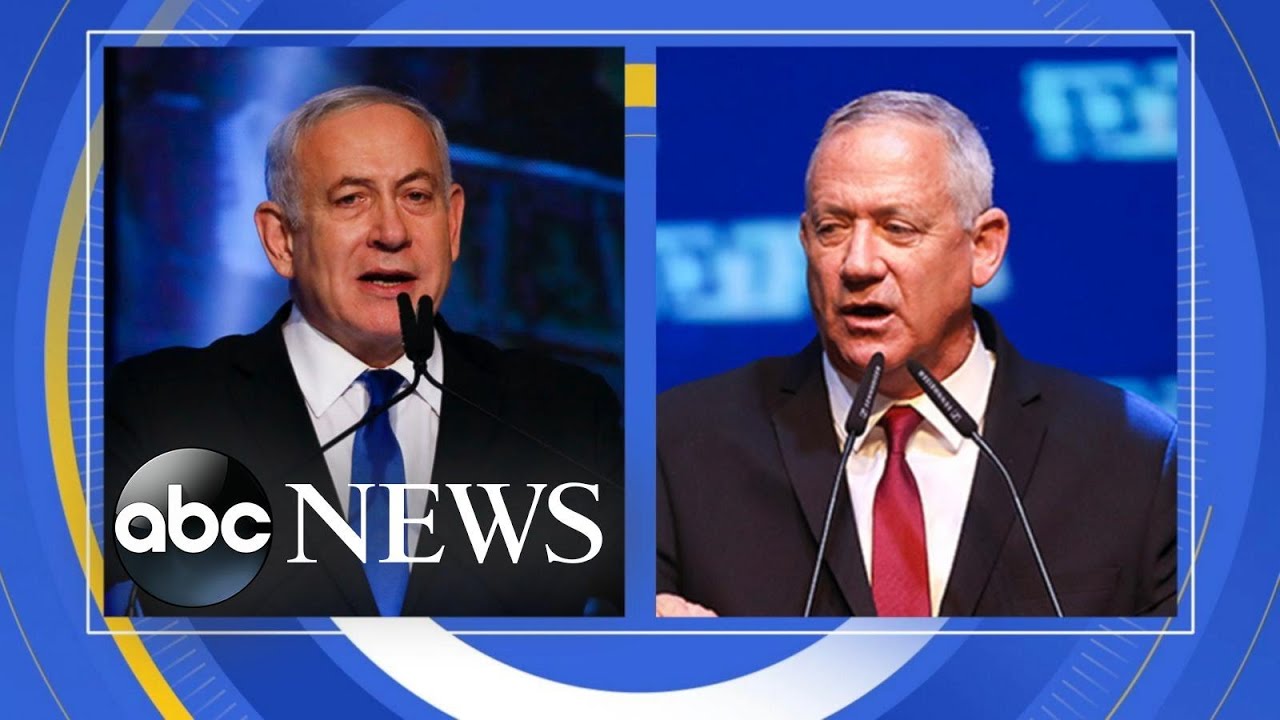
Israelis went back to the polls on September 17, 2019 — the second general election in five months — and by Wednesday morning the count had produced almost exactly the deadlock everyone feared. Prime Minister Benjamin Netanyahu, chasing a fifth term while corruption indictments loom over him, watched his Likud party get outpaced or matched seat-for-seat by Benny Gantz’s centrist Blue and White alliance. Neither man walked out with anything close to a governing majority, and neither claimed victory when they addressed supporters overnight.
- With more than 90% of votes counted, Blue and White and Likud were projected in the 31-to-33 seat range apiece in the 120-seat Knesset, with Blue and White narrowly ahead in some counts.
- Neither Netanyahu’s right-wing and religious bloc nor Gantz’s center-left-aligned factions reached the 61 seats needed for a majority, leaving both without a clear coalition path.
- Avigdor Lieberman’s Yisrael Beiteinu emerged as kingmaker, demanding a secular unity government that pairs Likud and Blue and White while excluding the ultra-Orthodox parties.
A Rematch That Solved Nothing
This was Israel’s do-over election, called after Netanyahu failed to cobble together a coalition following the April 2019 vote. The rematch was supposed to break the stalemate. Instead, according to ABC News’s overnight reporting, it reproduced it almost seat for seat, with Likud and Blue and White locked so tightly that final results were still being finalized as President Reuven Rivlin prepared to begin consultations with party leaders on who should get the first crack at forming a government.
Netanyahu has now spent 13 years in office across multiple terms, and this vote was widely read as a referendum on whether he should get a fifth. He is due to face pending corruption charges, a fact that hung over the entire campaign and gave Gantz — a retired general with no prior political baggage — his central argument for change.
Overnight Statements From All Sides
Netanyahu, sounding hoarse as he addressed supporters, did not concede anything. Instead he argued Israel needed what he called a “Zionist government” to counter the influence of Arab parties in the Knesset — a message aimed squarely at rallying his religious and nationalist bloc rather than admitting the numbers had gone against him.
Gantz took a more measured tone, telling his own supporters that Netanyahu had failed to secure the majority he wanted and that Blue and White had “accomplished its mission” simply by denying him that outcome.
Blue and White accomplished its mission — Netanyahu failed to secure the majority he wanted.
Lieberman Holds the Cards
The most consequential figure on election night may not have been Netanyahu or Gantz at all. Avigdor Lieberman, the former defense minister whose secular nationalist Yisrael Beiteinu party sank Netanyahu’s last coalition attempt in the spring, is again positioned as kingmaker. Lieberman has been explicit: he wants a broad unity government built around Likud and Blue and White together, with the ultra-Orthodox parties left out — a demand that neither Netanyahu nor Gantz can easily satisfy without alienating their existing blocs.
The Coalition Math Ahead
With Likud’s right-wing and religious allies and Blue and White’s center-left partners each stuck well short of 61 seats, the path forward runs through negotiations that could drag on for weeks. Rivlin’s role now becomes central: he will consult with every party that won seats and decide who gets the mandate to try first, a process that itself signals just how fractured the result really is.
Netanyahu has survived tight coalition math before, and his relationship with the Trump administration and the diplomatic wins he’s touted on the campaign trail remain part of his pitch to holdout religious and nationalist factions. But this time the numbers are close enough, and Lieberman’s terms specific enough, that another round of stalemate — or even a third election — is very much on the table.
For now, the only certainty coming out of September 17 is that nobody got what they came for. Rivlin’s consultations with party leaders start the clock on who gets first crack at 61 seats, and with Lieberman refusing to budge off his unity-government demand, the next move belongs to whichever of Netanyahu or Gantz blinks first on sharing power.







FOOD that LOOKS like OTHER FOOD
9 Healthy Breakfast Ideas For Weight Loss
Hong Kong police use rubber bullets on protesters | Times News
10 DIY Healthy vs Junk Food Challenge!
Miley Cyrus – Slide Away (Official Video)