
 InfoSearched
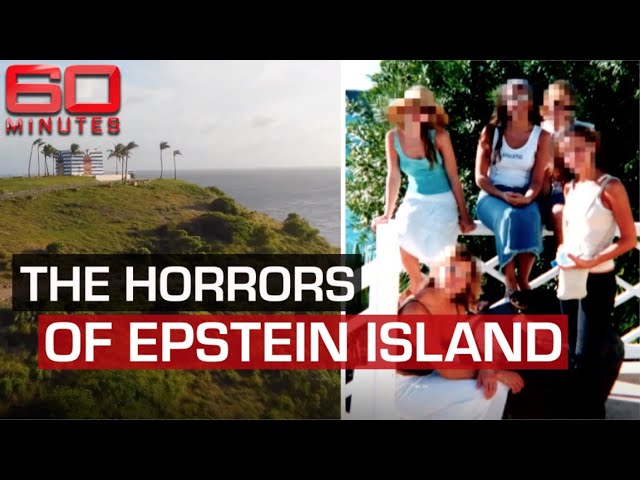
Jeffrey Epstein’s paradise getaway in the Virgin Islands may now lie abandoned and desolate but it holds the secrets of a sex ring even more extensive than first thought.
The Attorney General of the Virgin Islands, Denise George, paints a terrifying picture of what confronted the young women who found themselves trapped here.
What other properties did Jeffrey Epstein own besides Little St. James?
Jeffrey Epstein’s private island has been shrouded in mystery and controversy since the disgraced financier’s arrest in 2019. The island, located in the US Virgin Islands, has been the subject of much speculation and conjecture about the activities that took place there. This article aims to examine the evidence and provide an objective analysis of what really happened on Jeffrey Epstein’s private island.
Firstly, it is important to note that Epstein’s island, named Little St. James, was not his only property. Epstein also owned a mansion in New York City, a ranch in New Mexico, and a waterfront home in Palm Beach, Florida. However, Little St. James was where Epstein spent significant amounts of time, hosting parties and entertaining high-profile guests.
One of the key accusations made against Epstein is that he used Little St. James as a location for his sex trafficking activities. Multiple women have come forward with allegations that they were lured to the island under the pretense of being given work as massage therapists or personal assistants, only to be sexually abused by Epstein and his associates.
According to court documents, Epstein would fly underage girls to his island on his private plane, which was nicknamed the “Lolita Express.” Once on the island, the girls would be greeted by Epstein and other young women who were present. The girls were allegedly encouraged to engage in sexual activities with Epstein, his associates, and other guests.
Epstein is also accused of using Little St. James to host parties where he would invite powerful men from different industries. According to reports, guests would be flown to the island and given access to Epstein’s private jet, yacht, and other amenities. The island’s staff have confirmed that these parties took place and that young women were present.
However, it is important to note that not all the activities that took place on Little St. James were illegal. Epstein was known for his philanthropic endeavors, and he used the island to host charitable events and fundraisers. Some of the guests who visited the island were legitimate business associates, while others were celebrities and public figures who were not involved in Epstein’s illegal activities.
In conclusion, while there is no doubt that Jeffrey Epstein used Little St. James to engage in horrendous, illegal activities, it is important to acknowledge that not all of the events that took place on the island were nefarious. The evidence suggests that Epstein used Little St. James as a hub for his sex trafficking ring, but he also used the island for other purposes, such as hosting philanthropic events and entertaining high-profile guests. Ultimately, the truth about what happened on Little St. James may never be fully revealed, but it is clear that the island holds a dark and disturbing past.





Ellen Meets Viral NYC Firefighter and His Baby Daughter
Crazy Thief Returns STOLEN Clothes
Mobbed by Raccoons
The Truth About The Obama Sisters’ Lives After The White House
Fatima (2020) – Trailer 1