
 InfoSearched
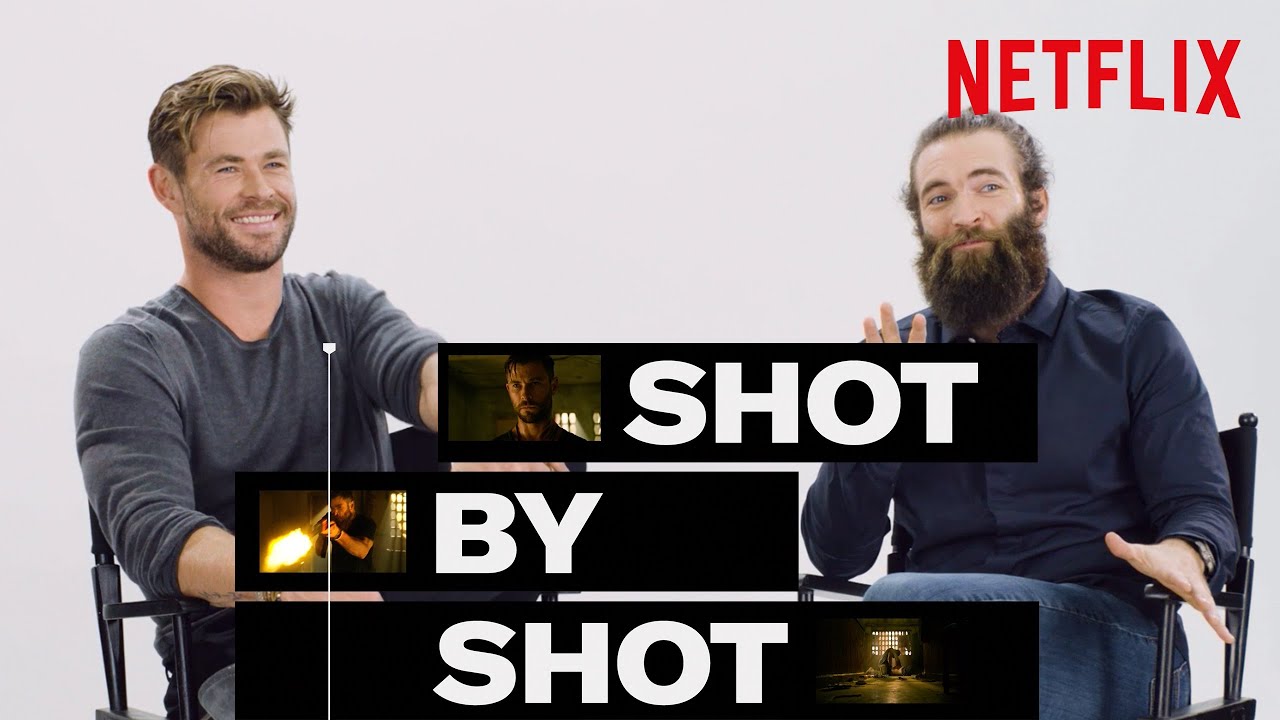
Chris Hemsworth and Extraction director Sam Hargrave
A former stuntman breaks-down an action-packed fight scene from their new film “Extraction”.
How did Hemsworth’s injuries add to the realism and tension of the fight scene?
Chris Hemsworth may be known for his stunning looks and chiseled physique, but he is also a skilled actor known for his brilliant portrayal of Thor in the Marvel Cinematic Universe. His reputation as a skilled actor was cemented even further with his incredible fight scenes, some of which have been etched in the minds of fans forever. With his exceptional martial arts skills and sheer physical presence, Hemsworth has given us some of the craziest fight scenes we have ever seen.
One such fight scene that has fans raving is the epic showdown between Hemsworth’s character Tyler Rake and the goons of a notorious drug lord in the action thriller movie ‘Extraction.’ The fight takes place in a densely populated neighbourhood of Dhaka, the capital of Bangladesh, and is a breathtaking spectacle of intensity, grit, and skill.
Hemsworth’s character is tasked with rescuing Ovi, the son of an Indian drug lord, and extracting him from the clutches of his rival. The scene begins with Hemsworth getting ambushed by two men who he easily dispatches, only to find himself surrounded by more armed men. From this moment on, it is a relentless and brutal battle that sees Hemsworth taking on multiple attackers who come at him with guns, knives, and even their fists.
The fight scene is choreographed to perfection, with Hemsworth’s training in Brazilian Jiu-Jitsu and mixed martial arts on full display. It is an all-out brawl that lasts for over ten minutes, with Hemsworth delivering powerful kicks, punches, and throws, all while dodging bullets and razor-sharp weapons.
As the adrenaline-fueled fight progresses, Hemsworth’s character sustains multiple injuries, adding a realistic sense of danger and urgency to the scene. With his shirt covered in blood, bruises, and sweat, Hemsworth’s Tyler Rake continues to fight with everything he’s got, all in an effort to protect the young boy he has been entrusted with.
As the fight reaches its climax, Hemsworth’s character must face off against another skilled fighter hand-to-hand. The two men take on each other in a brutal fight that leaves both of them battered and bruised. It is a battle that sees Hemsworth pushed to his limits, both mentally and physically, and when it finally ends, audiences around the world gave him a standing ovation.
In conclusion, the fight scene in Extraction featuring Chris Hemsworth is one of the craziest and most intense action sequences ever put to film. It is a breathtaking display of his martial arts skills and physical prowess, and it firmly establishes him as one of the most talented actors in the business today. Hemsworth’s portrayal of Tyler Rake is heroic, intense, and compelling, and his performance in this scene makes it unforgettable.






U.S. military official: Iran tested medium-range ballistic missile
“Alone” Winner Jordan Jonas Tangled with a Wolverine
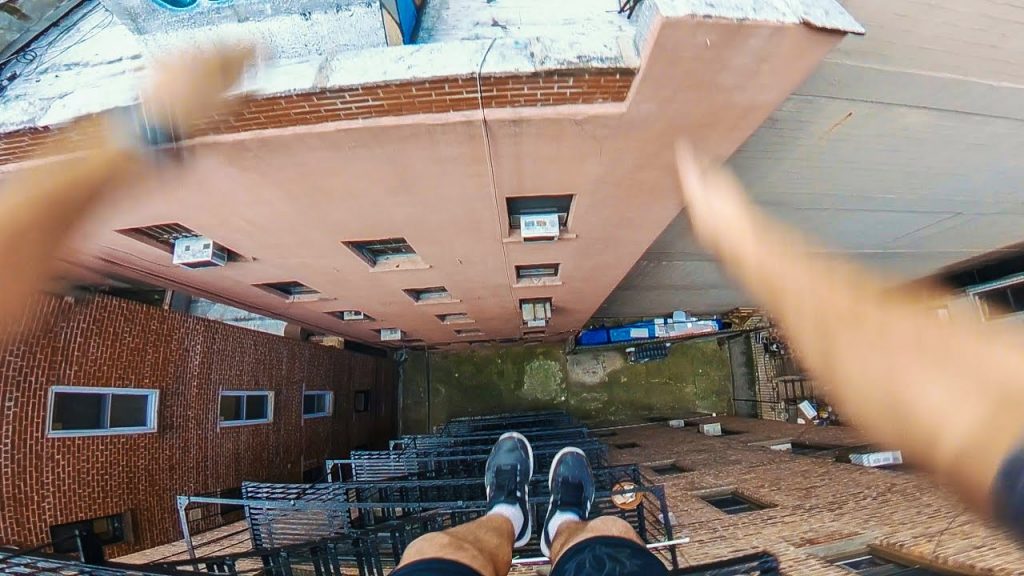
New York Rooftop Parkour POV
Highlights from the USWNT’s victory parade in New York City | 2019 FIFA Women’s World Cup
Boy vents anger at driver after car sends his mother flying