
 InfoSearched
Four Chinese takeout staples, one home kitchen, zero delivery fees.
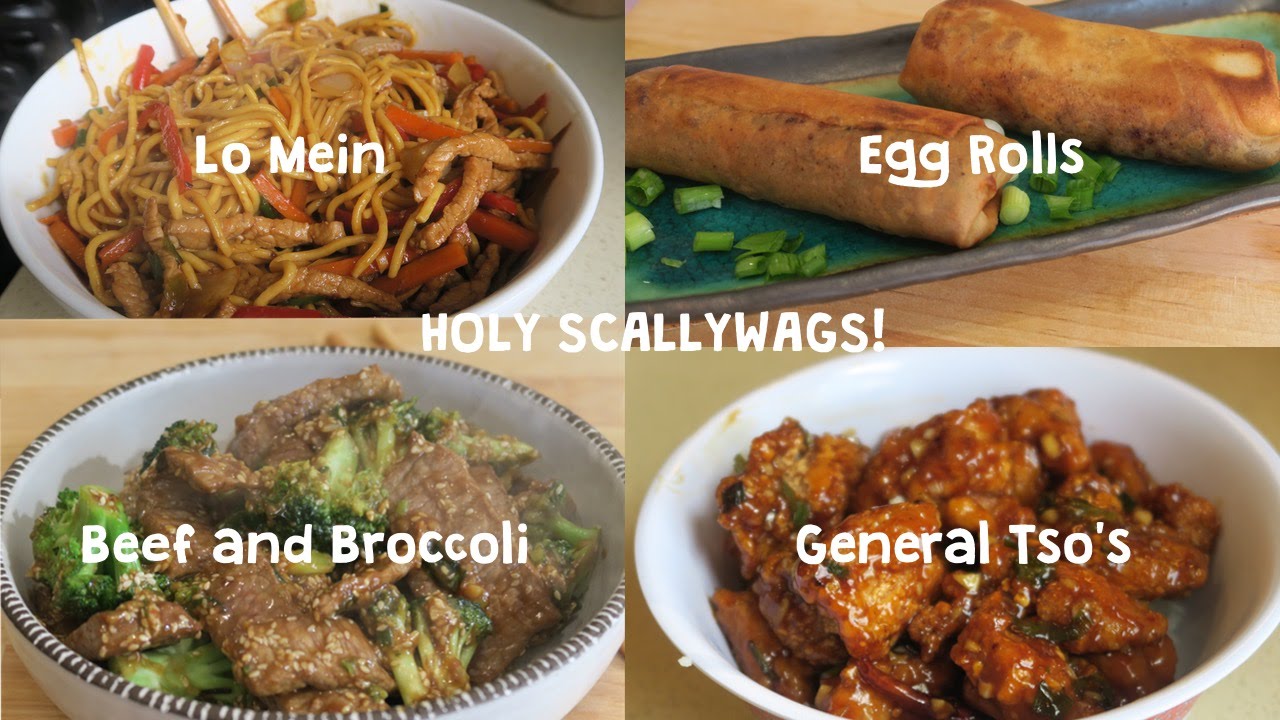
Culinary creator LifebyMikeG built a full masterclass around the dishes everyone actually orders from the Chinese takeout menu, breaking down Egg Rolls, House Lo Mein, Beef and Broccoli, and General Tso’s Chicken step by step in his video “How To Make Every Chinese Takeout Dish.” Rather than glossing over technique, Mike G walks through the exact marinades, dredges, and sauces that separate a soggy homemade stir-fry from something that tastes like it came out of a takeout container. The video runs long enough to timestamp each recipe, so viewers can jump straight to whichever dish they’re craving.
- The video is broken into four timestamped sections: Egg Rolls (1:11), House Lo Mein (7:08), Beef and Broccoli (13:33), and General Tso’s Chicken (18:47).
- The General Tso’s Chicken recipe uses a two-step process — a wet marinade with egg white, soy sauce, Chinese cooking wine, baking soda, and cornstarch, followed by a separate dry dredge of cornstarch, salt, and baking soda before frying.
- The sauce combines three tablespoons each of soy sauce and sugar with two tablespoons each of rice wine and rice vinegar, finished with minced ginger, minced garlic, dried chilis, and scallions.
The General Tso’s Chicken Formula
Mike G treats General Tso’s Chicken as the centerpiece of the video, and the recipe reflects that. One pound of boneless, skinless chicken thighs gets cut into pieces and marinated in a lightly beaten egg white mixed with three tablespoons each of soy sauce and Chinese cooking wine, a quarter-teaspoon of baking soda, and three to four tablespoons of cornstarch. That marinade is what gives the chicken its velveted texture — a technique borrowed directly from Chinese restaurant kitchens that keeps the meat tender even after a hard fry.
While the chicken sits, a separate dry dredge comes together with one cup of cornstarch, one teaspoon of salt, and a half-teaspoon of baking soda. Each piece of marinated chicken gets coated in that mixture before hitting oil heated to 350-375 degrees, frying until golden and crisp, then draining on paper towel. It’s the same double-step — wet marinate, dry coat — that restaurant fryers rely on to get that shattering crust without a deep fryer at home.
Marinate in egg white, soy sauce, and baking soda. Dredge dry in cornstarch, salt, and baking soda. Fry until glorious and golden.
Building the Sweet, Tangy, Savory Sauce
The sauce is where General Tso’s earns its name. Mike G’s version blends three tablespoons of soy sauce, two tablespoons of rice wine, two tablespoons of rice vinegar, and three tablespoons of sugar, built out with minced ginger, minced garlic, dried chilis, and scallions fried in hot oil until they start to color. Once the aromatics hit the pan, the master sauce goes in and reduces until it thickens, then the fried chicken gets tossed through it to coat evenly before serving.
That balance — soy for savory depth, vinegar for tang, sugar for the glaze, chilis for heat — is the same formula that shows up across the other three dishes in the video, just recalibrated. The Beef and Broccoli sauce leans on oyster sauce and cooking wine instead of sugar and vinegar, while the Egg Rolls filling skips sauce entirely in favor of oyster sauce and sesame oil folded into the pork and vegetables.
For anyone who wants to compare technique against other homemade takes on Chinese cooking, the knife work in this potato-cutting demonstration from a Masterchef-trained cook shows just how much prep precision matters before anything hits the wok.
Egg Rolls, Lo Mein, and Beef and Broccoli
Before General Tso’s Chicken closes out the video, Mike G runs through the other three staples. The Egg Rolls use a filling of ground pork, julienned carrots and red peppers, chopped cabbage, scallions, ginger, and garlic, seasoned with soy sauce, sesame oil, oyster sauce, and sugar, then wrapped and fried until crisp on all sides. The House Lo Mein section, timestamped at 7:08, and the Beef and Broccoli at 13:33 round out the lineup, with the beef marinated in soy sauce and sesame oil and finished in a cornstarch-thickened sauce alongside broccoli florets and sesame seeds.
Each section follows the same wok logic: build aromatics first, cook proteins and vegetables separately, then unite everything with a sauce thickened just enough to cling rather than pool. It’s the kind of home-cook attention to detail that shows up elsewhere in InfoSearched’s cooking coverage, including quick-format recipe experiments that test whether shortcuts actually hold up against the real technique.
Mike G doesn’t claim any of it beats a fresh order from your go-to spot down the street — he just wants it close enough that you stop calling for delivery on a Tuesday night. Four dishes, one video, and a dredge-and-fry method you can now run on repeat without ever touching a takeout menu again.









What Getting High Is Like When You Haven’t Smoked in a While
MMA fighter on a mission to expose ‘fake’ kung fu
The Truth About The Obama Sisters’ Lives After The White House
Brawl breaks out at Red Lobster after long wait times on Mother’s Day
The Invisible Man – Official Trailer [HD]