
 InfoSearched
A daytime medical panel takes on a mystery no mirror could explain.
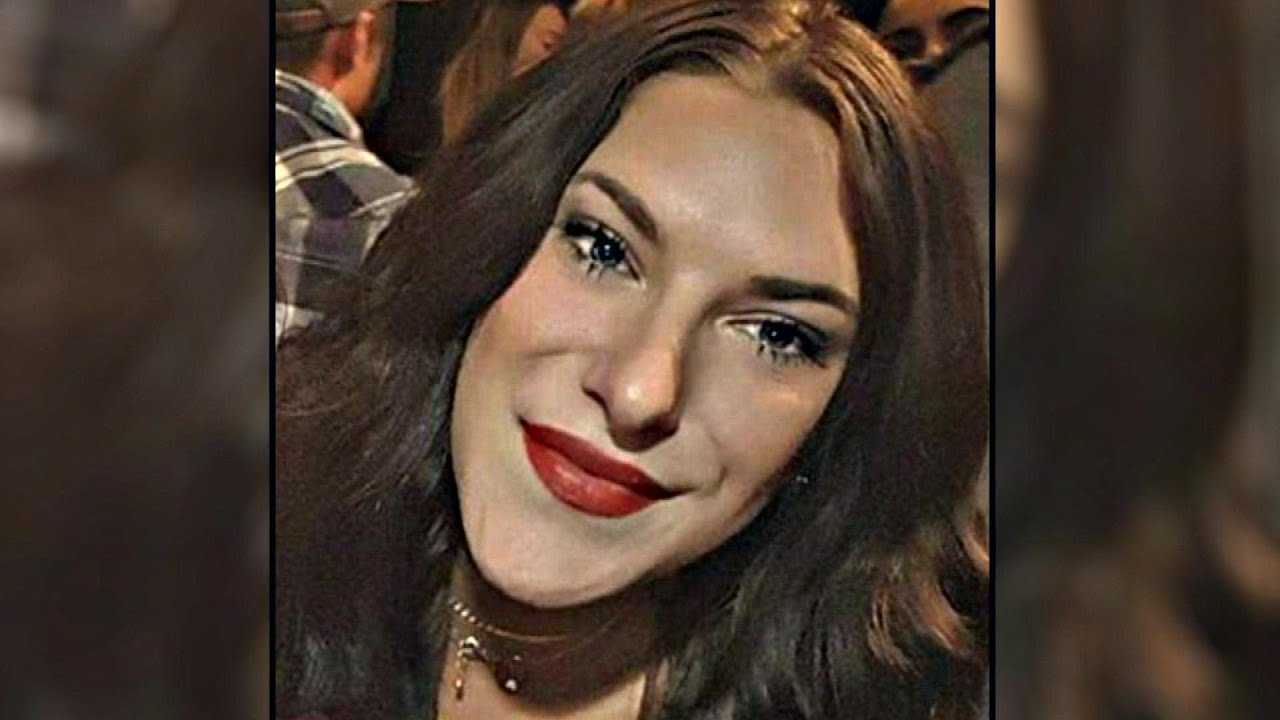
Rebecca didn’t come to The Doctors chasing a cosmetic fix. She came looking for a diagnosis. In the episode that aired January 24, 2020, titled “Woman’s Search for Answers about Why She Was Getting ‘Uglier,'” the young woman described a sudden, unsettling shift in her body and face that began in her late teens — changes she says felt nothing like ordinary aging or the usual insecurities that come with growing up.
- Rebecca’s physical transformation started abruptly in her late teens, not gradually over years, which is what pushed her to seek medical answers instead of accepting it as normal development.
- ER physician Dr. Travis Stork hosted the segment alongside a panel that included plastic surgeon Dr. Andrew Ordon, treating her case as a potential endocrine or physiological issue rather than a body-image concern.
- The show’s framing explicitly moved past cosmetic explanations to investigate what medical condition might be driving rapid, involuntary changes to her appearance.
Rebecca Testifies Before the Panel
Rebecca’s account centered on a specific detail: the changes weren’t slow. She described feeling like her own features and body were shifting in ways she couldn’t control and couldn’t explain, arriving at a point where she believed she was becoming, in her words, “uglier” — the same phrase the show used as its title. That framing matters because it separates her story from the routine anxieties about aging or weight that daytime talk shows often cover.
Instead of treating her concern as a self-esteem issue, Rebecca pushed for a medical explanation. She wanted to know whether something physiological was happening inside her body that could account for changes severe enough to alter how she saw herself entirely.
Experts Frame Case as Medical Issue
Dr. Travis Stork, the ER physician who anchors The Doctors, has built the show’s format around exactly this kind of pivot — taking a patient’s subjective complaint and running it through a clinical lens. Alongside him, plastic surgeon Dr. Andrew Ordon brought the perspective of someone who evaluates physical change for a living and can distinguish between what surgery might address and what points toward something deeper, like a hormonal or endocrine disorder.
Rebecca wasn’t asking for a cosmetic solution — she was asking why her body had changed so fast that she didn’t recognize herself anymore.
That distinction is the core of the segment. Sudden, late-teen physical changes can be tied to a range of underlying conditions — thyroid dysfunction, growth-hormone imbalances, and other endocrine irregularities are the categories physicians typically rule in or out when a patient reports rapid, non-cosmetic transformation. By putting Rebecca in front of a multi-specialist panel rather than a single dermatologist or surgeon, the show structured her case as a diagnostic puzzle rather than a makeover story.
The Broader Pattern on The Doctors
This wasn’t a one-off approach for the show. The Doctors has repeatedly built episodes around patients whose appearance changed in ways that alarmed them personally, using the format to walk viewers through the difference between normal variation and something that warrants bloodwork, imaging, or a referral. It’s a similar impulse to the kind of scrutiny that follows any public figure’s sudden physical transformation — the same curiosity that drives coverage when someone like Rebel Wilson’s transformation or Chanel West Coast’s transformation makes headlines, except here the audience is one patient asking a panel of doctors for a real explanation rather than tabloid speculation.
Rebecca’s willingness to bring her story to a national daytime audience, rather than keep it private, is what turned a personal medical concern into a segment built for public education — the kind of case that gives other viewers experiencing unexplained physical changes a script for what questions to ask their own doctors.
The episode closed without turning Rebecca’s story into a tidy makeover reveal, sticking instead to the panel’s diagnostic questions — a choice that kept the segment squarely in medical-mystery territory rather than talk-show spectacle.






U.S. official tells CBS News attack on Saudi oil facility was approved by Iran’s supreme leader
Zoë Kravitz Gets Trippy While Eating Spicy Wings
Movie Bloopers That Were Too Good To Cut
THE ALIENIST 2: ANGEL OF DARKNESS Official Trailer (HD) Dakota Fanning
Exploring the ‘Khloé in Wonder Land’ Podcast