
 InfoSearched
At the first KBBQ place its’s a unique experience to try because it’s a standing Korean BBQ restaurant.
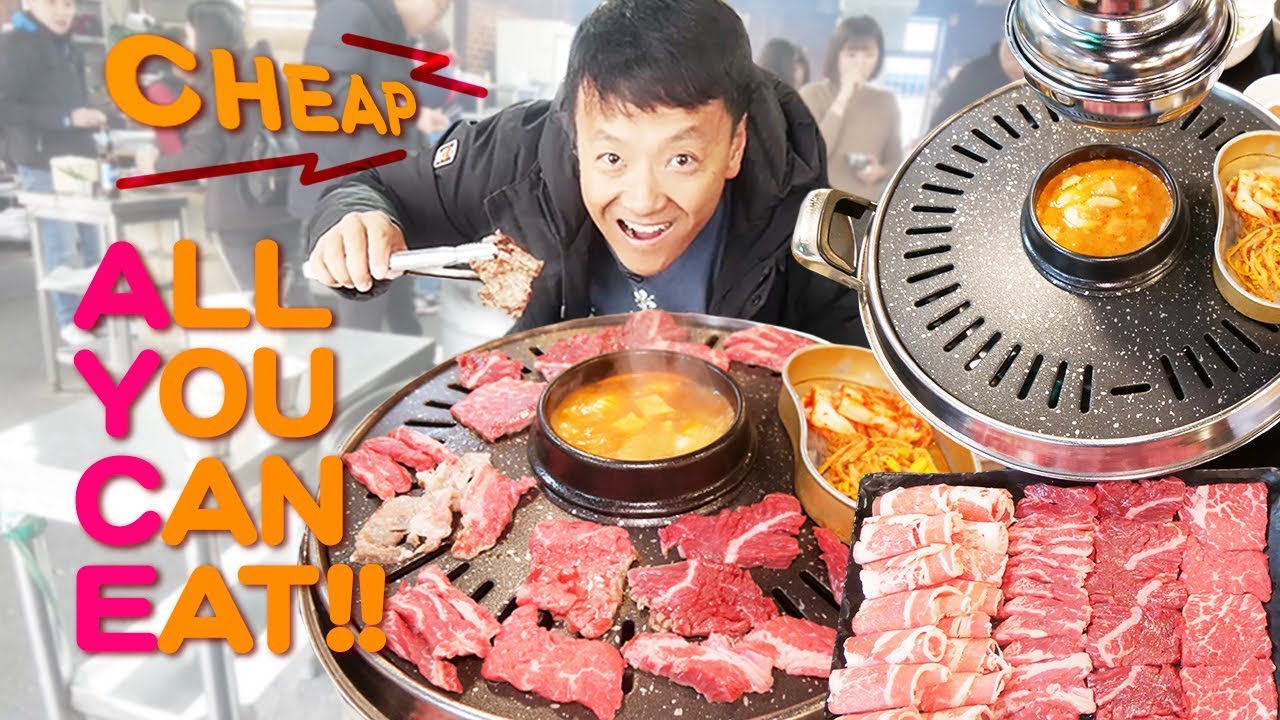
For dinner, I went with a really cheap and all you can eat steak.
The places I went to:
✧ Yeonnam Seo Seo Galbi
32 Baekbeom-ro 2-gil, Daeheung-dong, Mapo-gu, Seoul, South Korea
What is the main appeal of All You Can Eat Steak in Seoul?
Seoul, the bustling capital city of South Korea, is renowned for its vibrant food culture. From traditional Korean dishes to international cuisine, the city has something for everyone. For those looking for a unique dining experience, Standing Only Korean BBQ and All You Can Eat Steak are two options worth exploring.
Standing Only Korean BBQ is a one-of-a-kind dining concept in Seoul. As the name suggests, customers dine while standing at the restaurant. This may seem unusual, but it is a common practice in Korea. The idea behind Standing Only Korean BBQ is to provide a quick and casual dining experience without compromising on the quality of food.
The restaurant serves premium quality Korean BBQ, including beef, pork, and chicken. The meat is marinated in a range of classic Korean sauces such as gochujang, ssamjang, and soy sauce. The high-quality meat paired with the delicious marinades makes Standing Only Korean BBQ a must-visit restaurant for meat lovers.
Apart from the BBQ, the restaurant also offers an extensive range of side dishes, including kimchi, bean sprouts, and radish. These dishes perfectly complement the meat and enhance the overall dining experience.
Moving on to the next dining option, All You Can Eat Steak is an excellent choice for budget-conscious foodies. Located in the heart of Seoul, this restaurant offers unlimited servings of steak, salad, and fries at an affordable price.
The restaurant serves sirloin, ribeye, and filet mignon cuts of steak, all cooked to perfection. The meat is juicy, tender, and packed with flavor. The fries are crispy, and the salad is fresh, making for a complete and satisfying meal.
All You Can Eat Steak is an excellent option for meat lovers who want to enjoy high-quality steak without breaking the bank. The restaurant is open for lunch and dinner, making it a convenient spot for anyone craving a delicious steak meal.
In conclusion, Standing Only Korean BBQ and All You Can Eat Steak are two unique dining experiences that should not be missed. They offer quality food, great prices, and a memorable experience for all types of diners. Whether it’s standing and dining on premium meat or indulging in unlimited steak servings, Seoul has something for everyone.










Extreme Cup Challenge! Can My Cats Cross the Course?
13 Easy Peeling Hacks to Make You Look Like a Pro!! How to Peel Like a Chef
Woman’s Search for Answers about Why She Was Getting ‘Uglier’
23rd Month – (Cucumber Feeding Frenzy) NO filter, NO CO2, NO Ferts 5 Gallon Nano Tank
Shakira At The 2020 Super Bowl Halftime Show