
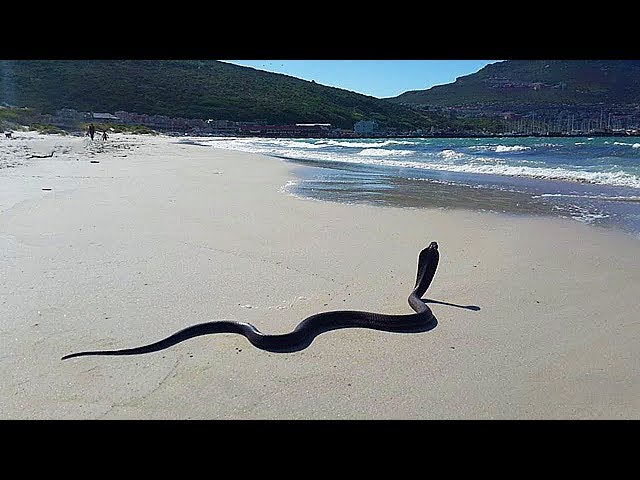
 InfoSearched
Some beaches will kill you long before you finish applying sunscreen.
Not every stretch of sand is built for a beach towel and a cooler. A countdown making the rounds, Factsopedia’s “15 Most Dangerous Beaches In The World,” runs through coastlines where the real threats aren’t sunburn or jellyfish stings you shrug off — they’re apex predators, currents that never let go, quicksand, radiation, and water so polluted it can put you in a hospital bed. The video strings together case after case of postcard-pretty locations that double as genuine survival tests.
- Fraser Island (K’gari) in Queensland combines wild dingo packs on land with shark-infested water and both box and Irukandji jellyfish offshore.
- Mexico’s Playa Zipolite — “Beach of the Dead” in translation — is infamous for undertows and rip currents so lethal that lifeguard units had to be instituted after years of frequent drownings.
- Kauai’s Hanakāpīʻai Beach has warning signs that literally tally drownings, since its unshielded rip currents mean victims’ bodies are rarely recovered.
Apex Predators and Toxic Waters
Fraser Island doesn’t give visitors a break in either direction. Step off the water and the danger is dingoes; step into it and you’re contending with sharks plus two of the most venomous jellyfish species on the planet, the box jellyfish and the Irukandji. Cape Tribulation in northern Queensland runs a similar gauntlet on the mainland, pairing lethal marine stingers with saltwater crocodiles aggressive enough that swimming there is treated as a genuine risk, not a scare tactic for tourists.
Gansbaai, South Africa, takes a more singular approach to danger: great white sharks. Nearby seal colonies draw such reliable aggregations of great whites that the town has built an entire cage-diving industry around them — a clear signal that swimming outside a cage is not something locals recommend.
Currents That Don’t Let Go
Playa Zipolite’s name gives away the stakes before you even reach the sand. The undertow and rip currents there caused so many drownings historically that authorities eventually stationed dedicated lifeguard units on the beach — a response to a body count, not a precaution against one.
Beach of the Dead isn’t a nickname tourists made up — it’s a translation, and the drowning record is why it stuck.
Hanakāpīʻai Beach on Kauai carries the same reputation without the folklore. There’s no reef to blunt the swells, so the rip currents run straight and hard, and the warning signage on the trail down doesn’t soften the point — it counts the drownings and notes how often the ocean never gives the bodies back.
Shifting Sands and Deadly Isolation
Morecambe Bay in Lancashire kills in a completely different way. There’s no shark and no riptide — just channels that shift position, quicksand that appears where solid ground was moments before, and a tide that comes in fast enough to cut off a walker’s path back to shore before they realize it’s happening.
Namibia’s Skeleton Coast earns its name from a different combination: the cold Benguela current, thick fog that rolls in without warning, and a stretch of desert so remote that shipwrecked crews historically had no realistic way to survive once they made it to land. It’s less a beach than a reminder of what happens when nature offers no rescue option at all.
Radiation and Runoff
Bikini Atoll in the Marshall Islands is dangerous for a reason no lifeguard or shark cage can fix — Cold War-era nuclear test detonations left lingering radiation that still defines the site decades later. Mumbai’s Chowpatty Beach sits at the opposite end of the hazard spectrum but lands on the same list: severe urban runoff and water pollution have made it a microbiological risk rather than a nuclear one, proof that a beach doesn’t need sharks or currents to be genuinely dangerous.
Anyone curious how these hazards stack up against other extreme natural threats might find the parallels in 15 Most Dangerous Natural Phenomena In The World worth a look — currents and quicksand aside, plenty of these coastlines are shaped by the same forces.
None of these fifteen spots come with a “swim at your own risk” sign that’s exaggerating. Fraser Island, Zipolite, and Hanakāpīʻai each carry documented death tolls tied directly to the specific hazard named on the beach — dingoes, undertow, unshielded rip currents — which is the difference between a beach with a bad reputation and one that’s actually earned it.









Seth and Rihanna Go Day Drinking
The Long List Of Celebs Who Have Died In 2020
The Actual Pasta Prince of LA – Street Food Icons
The effectiveness of traditional karate.
trying pinterest mug recipes