
 InfoSearched
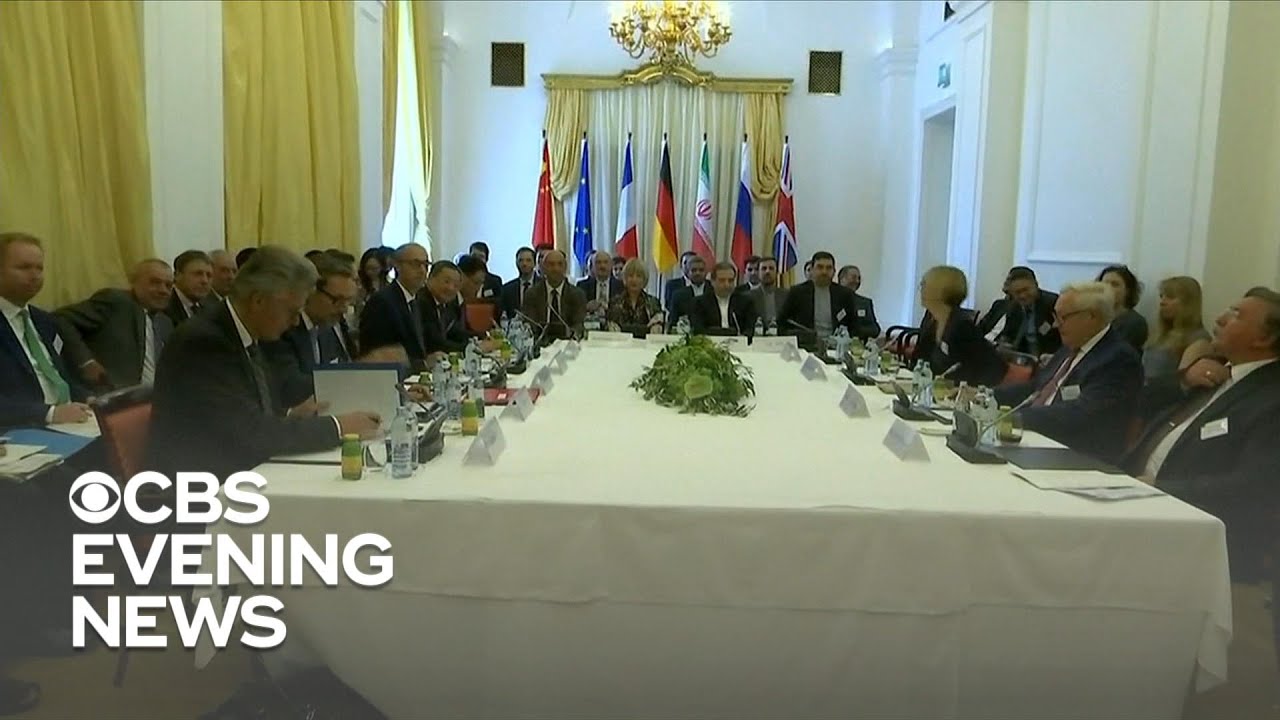
Diplomats from six nations gather in Vienna to keep the Iran nuclear deal from collapsing entirely.
Senior officials from Iran, Britain, France, Germany, China and Russia sat down in Vienna on Sunday for an emergency session of the Joint Commission overseeing the 2015 nuclear accord, a meeting called as the pact frays faster than any point since President Trump pulled Washington out of it in 2018. The session came against a backdrop of tanker seizures, breached stockpile limits and a sanctions regime that has choked off Iran’s oil revenue. Nobody in the room pretended the deal was healthy, but nobody walked away from the table either.
- Iran has exceeded the JCPOA’s 300-kilogram cap on low-enriched uranium and pushed enrichment purity to 4.5%, well past the 3.67% ceiling set in 2015.
- Iran seized the British-flagged tanker Stena Impero in the Strait of Hormuz after Britain detained the Iranian supertanker Grace 1 off Gibraltar.
- Deputy Foreign Minister Abbas Araghchi warned Tehran will keep rolling back commitments every 60 days unless Europe delivers real economic relief, including activation of the INSTEX barter mechanism.
Factors Driving Renewed Joint Commission Negotiations
The JCPOA has been unraveling in slow motion since Washington abandoned it and reimposed sanctions targeting Iranian oil exports, the lifeblood of Tehran’s economy. Iran spent a year absorbing that pressure while still complying with the deal, hoping Britain, France and Germany could find a workaround. When that relief never materialized in any meaningful volume, Iran began openly breaching the accord’s technical limits this July, forcing the remaining signatories back into emergency session in Vienna.
The breaches were not subtle. Inspectors confirmed Iran’s low-enriched uranium stockpile had blown past the 300-kilogram cap written into the 2015 text, and enrichment levels climbed to 4.5%, above the 3.67% threshold the deal was built around. Those numbers were designed as trip wires precisely so the world would notice, and they did.
Tensions in the Gulf Spilled Into the Room
The nuclear file didn’t arrive in Vienna alone. Weeks of maritime brinkmanship in the Strait of Hormuz hung over the talks, starting with Britain’s detention of the Iranian supertanker Grace 1 off Gibraltar and Iran’s retaliatory seizure of the British-flagged Stena Impero. Those incidents turned an already technical dispute over centrifuges and stockpiles into a live regional-security crisis, with commercial shipping caught in the middle.
That backdrop shaped the tone diplomats struck once they sat down. Chinese delegate Fu Cong told reporters all parties reaffirmed their commitment to preserving the accord and rejected Washington’s maximum-pressure approach outright, framing continued sanctions escalation as the real threat to regional stability rather than Iran’s incremental breaches.
Araghchi’s Ultimatum on Sanctions Relief
Iran’s message in Vienna was consistent with what Tehran has been saying publicly for months: compliance is conditional, not unconditional. Araghchi described the atmosphere in the room as constructive and professional, but he didn’t soften the underlying threat.
Tehran will keep rolling back its commitments every 60 days until European signatories deliver tangible economic relief and get INSTEX actually moving oil trade.
INSTEX, the barter-style payment channel Europe built specifically to let companies trade with Iran without touching the U.S. financial system, has existed on paper since early 2019 but has yet to process real transactions at any meaningful scale. Iran’s negotiators treat its activation as the minimum proof that European promises amount to more than diplomatic language.
Current Status of the Deal
The Joint Commission agreed to convene a ministerial-level meeting in the near term, a sign nobody at the table is ready to declare the JCPOA dead. But European negotiators were just as clear on their end: Iran needs to return to full compliance with the stockpile and enrichment limits, full stop, regardless of how slowly sanctions relief materializes. That leaves both sides holding positions that don’t fully overlap, with the accord surviving in name while its actual terms get stretched from both directions.
For readers tracking how this dispute fits into the wider run of confrontations between Washington and Tehran, our World News coverage and News & Politics section have continued following the fallout from the tanker seizures and the sanctions fight as it develops.
Nothing settled in Vienna on Sunday actually rolled back a single centrifuge or freed a single tanker — it just bought the deal another round. The ministerial meeting that’s supposed to follow will be the real test of whether Araghchi’s 60-day clock and INSTEX’s empty ledger can be squared with Europe’s insistence on full compliance, or whether Iran keeps breaching the caps while the Stena Impero and Grace 1 standoff simmers in the background.





20 Fat Burning Foods (That Taste AMAZING!)
Keith Eats Everything At Arby’s
UPLOAD Official Trailer (2020) Sci-Fi Movie HD
Jamie Oliver’s principles for superb salads
A Star Wars Is Born – “Shallow” Parody (Nerdist Presents)