

 InfoSearched
Millions of aged-up selfies flooded timelines this month, and privacy researchers wanted to know exactly where those faces were going.
The FaceApp Challenge turned into one of the biggest viral moments of the summer, with the Jonas Brothers, Carrie Underwood and Kevin Hart among the tens of millions of users who ran their photos through the app’s aging filter. But as the wrinkled, gray-haired selfies piled up across Instagram and Twitter, cybersecurity researchers started reading the fine print — and didn’t like what they found.
- FaceApp is built by Wireless Lab, a company headquartered in St. Petersburg, Russia, and its user agreement grants the company a broad, perpetual, royalty-free, worldwide license to use, reproduce, modify and display uploaded photos.
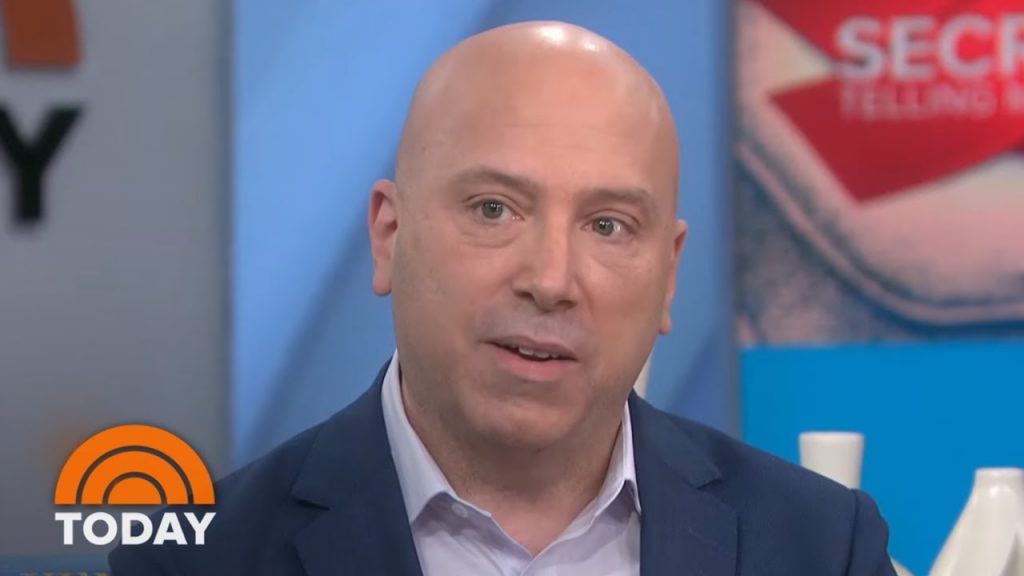
- Author David Fergusson, among other security commentators, warned that “we just don’t know enough about this organization” behind the app or what could ultimately happen to users’ likenesses.
- Responding to the backlash on July 17, 2019, Wireless Lab said it does not harvest a user’s entire camera roll — only the single photo selected for editing gets uploaded — and that most images are deleted from its servers within 48 hours.
Viral Challenges Dominate Social Feeds
FaceApp itself isn’t new — the app has floated around app stores for a couple of years — but its aging filter suddenly caught fire again in mid-July, turning into a full-blown social media challenge. Users snapped a selfie, ran it through the app’s neural network, and posted the eerily convincing “old” version next to their real face. Celebrities piling on gave it the kind of reach a typical filter app never gets, and that reach is exactly what pulled cybersecurity researchers’ attention toward the company’s terms of service.
The Terms of Service Red Flags
The trouble wasn’t the filter — it was the fine print underneath it. FaceApp’s user agreement hands Wireless Lab a license to use, reproduce, modify and publicly display any photo a user uploads, without paying for it, and without a clear expiration date. That kind of language isn’t unheard of among photo apps, but combined with the company’s Russian ownership, it was enough to make researchers pause and ask what happens to a face — and the biometric data tied to it — once it leaves a user’s phone.
“We just don’t know enough about this organization,” author David Fergusson said of FaceApp’s Russian creators.
Fergusson’s concern echoed across cybersecurity circles: it wasn’t proof of wrongdoing, but an admission that the ownership structure and data practices behind a suddenly ubiquitous app were murky enough to warrant scrutiny. Questions specifically centered on whether biometric facial data and location tracking tied to uploaded images could be stored indefinitely or shared with outside partners.
Wireless Lab’s Response
Facing coverage from outlets including Inside Edition and TechCrunch on July 17, 2019, Wireless Lab pushed back point by point. The company said claims that it was scraping users’ entire camera rolls were false — only the specific photo a person selects for editing gets sent to the cloud. It also said most uploaded images are wiped from its servers within 48 hours, and that it relies on cloud infrastructure from AWS and Google Cloud rather than housing data on its own Russian servers.
Wireless Lab further maintained that although its primary research and development team operates out of Russia, user data isn’t transferred to Russian authorities and isn’t sold to third parties. That distinction — a Russian-based dev team versus Russian government access — became the crux of the company’s defense as it tried to separate the app’s origins from the surveillance fears attached to it.
Users Evaluate The Core Tradeoffs
None of this fully settles the debate. Wireless Lab’s explanations addressed the camera-roll and server-location questions directly, but they didn’t erase the underlying license users agree to when they tap “upload.” For a broader look at how quickly a piece of consumer technology can outrun the scrutiny it deserves once it goes viral, the FaceApp episode is a textbook case — the app existed quietly for years before a single filter turned it into a household name, and by then the terms of service were already locked in for everyone who’d downloaded it.
The wave of celebrities who jumped in early — the kind of star power that regularly fuels trending celebrity moments — didn’t slow down once the privacy questions surfaced. If anything, the controversy drove more downloads, a pattern familiar to anyone who’s watched a viral app trend spike right as the scrutiny around it does too.
Wireless Lab’s clarifications on July 17 didn’t come with an independent audit attached — just the company’s word on server locations and deletion windows. Whether that’s enough for the millions who already uploaded a photo is a question every FaceApp user answered for themselves the moment they hit “download,” and the aged-up selfies were still filling up feeds long after the fine print got read.









Strawhatz – Ching Revisited
Cardi B Meets Cardi E
Rumors About Musicians That Turned Out To Be True
TOP UPCOMING ACTION MOVIES 2020 (Trailers)
Bianca Andreescu defeats Serena Williams to win 1st Grand Slam | 2019 US Open Highlights