
 InfoSearched
A rice-grain-sized chip that opens doors, logs into computers, and buys your snacks — no card required.
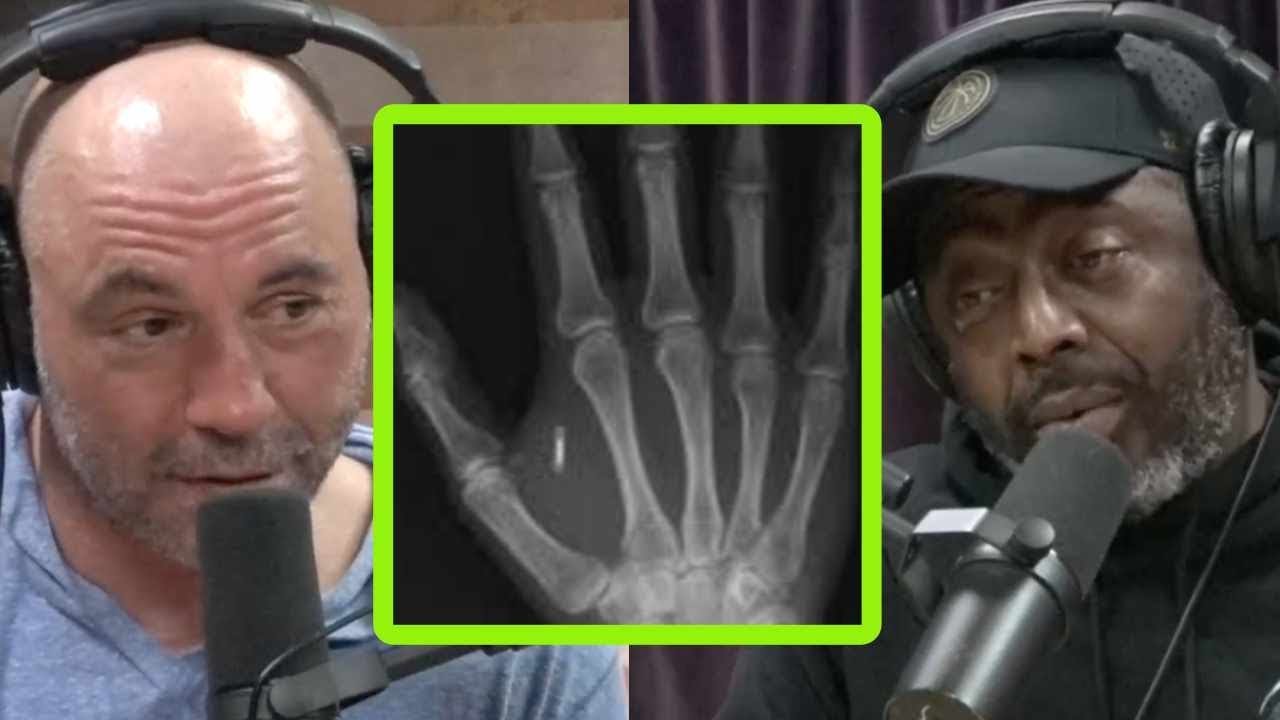
In this JRE Clips segment, Joe Rogan digs into a story that sounds like speculative fiction but happened in River Falls, Wisconsin: a company handing out RFID implants to its own staff. The case at the center of the conversation is Three Square Market, known as 32M, which became the first U.S. firm to offer voluntary microchipping to employees back in 2017. Rogan walks through how the technology works, what the company claims it can and can’t do, and why privacy researchers think the convenience angle is a Trojan horse.
- In July and August 2017, Three Square Market partnered with Swedish biohacking firm Biohax International, led by CEO Jowan Österlund, to implant NFC RFID chips in employees.
- More than 50 of the company’s 80 employees volunteered at an August 1, 2017 “chip party,” receiving rice-grain-sized transponders valued around $300 each, paid for by the employer.
- CEO Todd Westby defended the chips as passive, unencrypted, and GPS-free, arguing personal smartphones already transmit far more personal data than the implants.
Mechanism of the 32M Chip
The implant goes under the skin between the thumb and index finger — a quick, needle-based procedure Biohax’s team performed on-site during the chip party. Once in, a wave of the hand unlocks office doors, logs an employee into their desktop, runs the copy machine, or pays for a snack at the break room’s micro-market. There’s no battery, no GPS chip, and no cellular connection; it’s a passive NFC tag, the same base technology found in contactless payment cards and hotel key fobs.
That distinction matters to Westby’s defense of the program. Rogan notes that the company’s pitch leaned heavily on the idea that this is glorified key-card technology, just embedded instead of carried in a pocket. Whether that framing holds up once you consider what data infrastructure gets built around the chip is where the debate actually starts.
Origins of Industry Concern
Rogan brings up Carnegie Mellon researcher Alessandro Acquisti’s warning that the danger isn’t the chip itself — it’s what gets bolted onto the system around it later. A door-unlock feature today can become a bathroom-break log or a movement-tracking dashboard tomorrow, all without employees ever re-consenting to the expanded use. That’s the slippery-slope argument privacy advocates kept repeating throughout 2017 coverage of the 32M rollout.
Passive, unencrypted, no GPS — but a chip under the skin still means the infrastructure to track you is already installed.
There’s also the more literal risk profile: a chip is implanted, not swiped, which means infection risk and the practical hassle of removal if an employee changes their mind or leaves the company. Add in basic RFID cybersecurity concerns — cloning, skimming, unauthorized reads — and the conversation shifts from “is this convenient” to “who else can read this chip, and when.” For a broader look at how tech companies keep pushing the boundaries of what employees and consumers accept, see InfoSearched’s Science & Technology coverage.
Consent Versus Convenience
32M frames the whole thing as opt-in, and that’s technically true — nobody at the River Falls office was forced into the implant. But Rogan pushes on the softer coercion built into workplace culture: when 50 of 80 coworkers show up to a company-sponsored “chip party” and the tool speeds up your day, declining starts to feel like the socially awkward choice rather than a neutral one. That’s the same dynamic that shows up in broader News & Politics debates over workplace surveillance and biometric data collection, where legal opt-in doesn’t always mean practical opt-out.
The Bigger Bet on Biohacking
Österlund’s Biohax International wasn’t treating 32M as a one-off publicity stunt — it was a proof of concept for a much larger pitch to employers worldwide about embedded access control replacing badges and passwords entirely. Rogan treats that ambition as the real headline: not that one small Wisconsin tech firm chipped some volunteers, but that a company built specifically to scale this technology used 32M as its American showcase.
Three Square Market never chipped its entire staff, and the company kept insisting the implants were no more invasive than a subway pass. Whether that argument ages well depends entirely on what the next employer to try this does with the data once the novelty wears off — and that’s the exact question Rogan leaves hanging by the end of the clip.









CNN reporter and crew hit by tear gas in Hong Kong
CURSED | Official Trailer
Don’t Eat Another Costco Rotisserie Chicken Until You Watch This
U.S. official tells CBS News attack on Saudi oil facility was approved by Iran’s supreme leader
The Darkest Movies On Netflix That Nobody Is Talking About