
 InfoSearched
A 15-year-old from Connecticut is now the single most-followed face on TikTok, and brands are lining up with seven-figure checks.
Charli D’Amelio didn’t set out to build a media empire. She was a competitive dancer posting clips from her bedroom in Norwalk, Connecticut, when one video changed everything. By mid-April 2020, that account had passed 40 million followers, making her the most-followed individual creator on TikTok — and the commercial machine built around her is now generating real money at a pace few teenagers in history have ever seen.
- D’Amelio surpassed longtime TikTok leader Loren Gray in late March 2020 to become the platform’s most-followed creator, less than a year after launching her account in May 2019.
- Her breakout moment came in October 2019 with a viral routine to K Camp’s “Lottery,” known online as “The Renegade” — a dance originally choreographed by Atlanta teenager Jalaiah Harmon.
- Industry estimates put her per-post sponsorship rate around $100,000, with a February 2020 Super Bowl appearance in a Sabra Hummus commercial reportedly worth $1 million on its own.
From Bedroom Clips to a Following Bigger Than Most Networks
There was nothing elaborate about D’Amelio’s early content. Low-production dance videos filmed at home, set to whatever song was trending, were enough to catch fire on TikTok’s algorithm-driven For You page. Her background as a competitive dancer gave her clips a technical edge that separated her from the flood of lip-sync accounts already crowding the app.
The “Renegade” moment turned that following into a phenomenon. The dance itself belonged to Jalaiah Harmon, but it was D’Amelio’s version that spread fastest and widest, a quirk of platform dynamics that has fueled ongoing debate over credit and compensation for the creators who actually originate viral trends. Regardless of authorship, the exposure catapulted her account past every other teenager on the app and, eventually, past Loren Gray herself.
Turning Followers Into a Paycheck
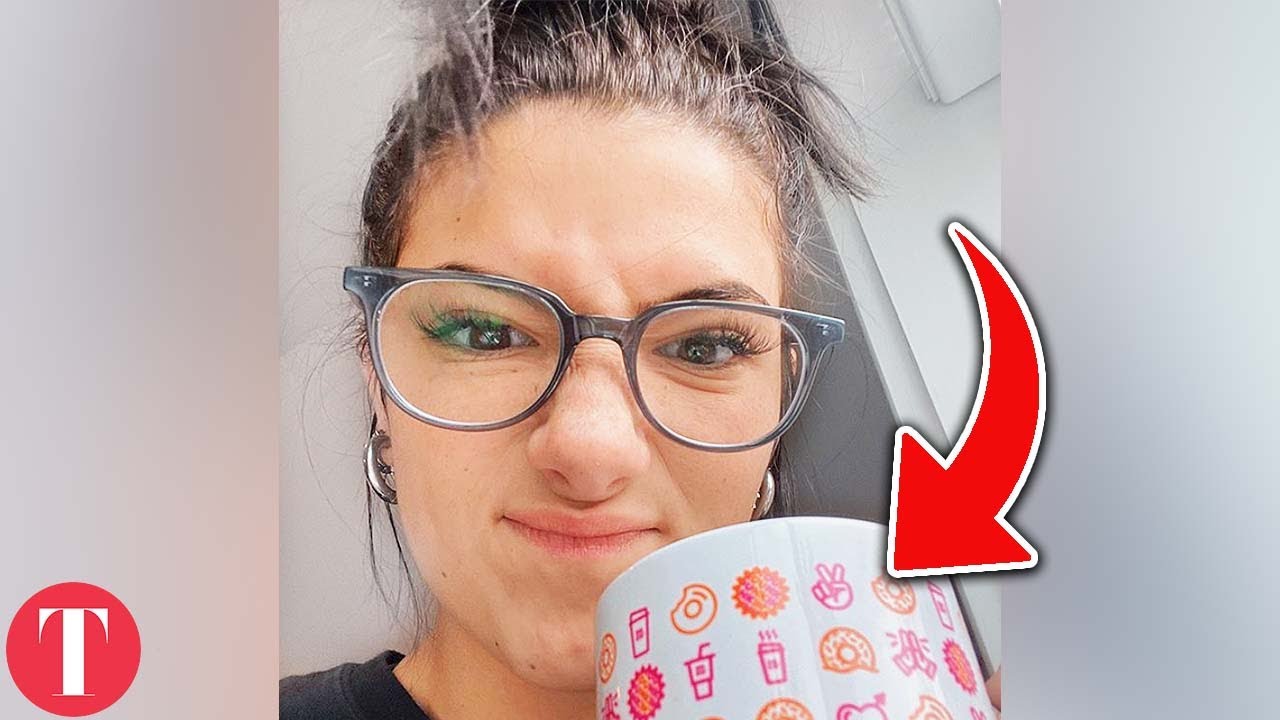
Forty million followers only matters commercially if it converts, and D’Amelio’s team converted fast. Brand deals reportedly command roughly $100,000 per sponsored post, a rate that puts her in the same tier as far more established influencers on Instagram and YouTube. Her partnership with the makeup brand Morphe gave her an early foothold in retail, while her unpaid, off-the-cuff enthusiasm for Dunkin’ Donuts turned into the kind of viral advocacy that companies now actively court rather than wait for.
The biggest single payday came during Super Bowl weekend, discussed at length around the same Super Bowl weekend buzz that dominates every February — when D’Amelio appeared in a Sabra Hummus commercial reportedly worth $1 million. That single ad placement did more to signal her crossover into mainstream advertising than any TikTok metric could.
D’Amelio has repeatedly described herself as just a “normal teenager” who doesn’t fully understand the algorithm that made her famous.
The Hype House and the Business Behind the Brand
D’Amelio didn’t build this alone. In late 2019, she co-founded the Hype House, a Los Angeles content collective bringing together creators like Chase Hudson (known online as Lil Huddy), Addison Rae, Daisy Keech, and her own sister, Dixie D’Amelio. The house functions as a content factory — a shared roof where multiple massive TikTok accounts can cross-promote, collaborate, and multiply each other’s reach in ways a solo creator never could.
That informal setup got formalized in early 2020 when the D’Amelio family signed with UTA, one of the entertainment industry’s major talent agencies. The move signaled that D’Amelio’s earnings were no longer going to be limited to short-form video sponsorships — UTA representation typically opens doors to television, film, and licensing deals that treat a TikTok following the same way Hollywood treats a box-office track record.
A Teenager at the Center of an Algorithm Debate
Despite the merch lines, the agency deal, and the million-dollar commercial, D’Amelio has stuck to the same line in interviews: she’s a normal teenager who didn’t fully grasp the mechanics of the algorithm that made her famous. That gap between the scale of her earnings and her own description of the phenomenon has become a talking point in itself, feeding into a broader early-2020 conversation about how quickly a short-form video metric — followers, likes, watch time — can be converted into a genuine multi-million-dollar entertainment business, sometimes faster than the platform itself, or the creator, can fully process.
What happens next for D’Amelio depends less on TikTok trends than on how far UTA can stretch that following into deals outside the app — merch lines, TV, music, whatever comes calling next for a 15-year-old who, less than a year after posting her first dance video, is already worth more in brand deals than most working adults will see in a decade.






The Best Upcoming SCIENCE-FICTION Movies 2021 (Trailers)
Spiced Tuna Fishcakes
Macaulay Culkin Won’t Recreate His ‘Home Alone’ Face
Nobody But You
Trollhunters: Rise Of The Titans | Guillermo del Toro