
 InfoSearched
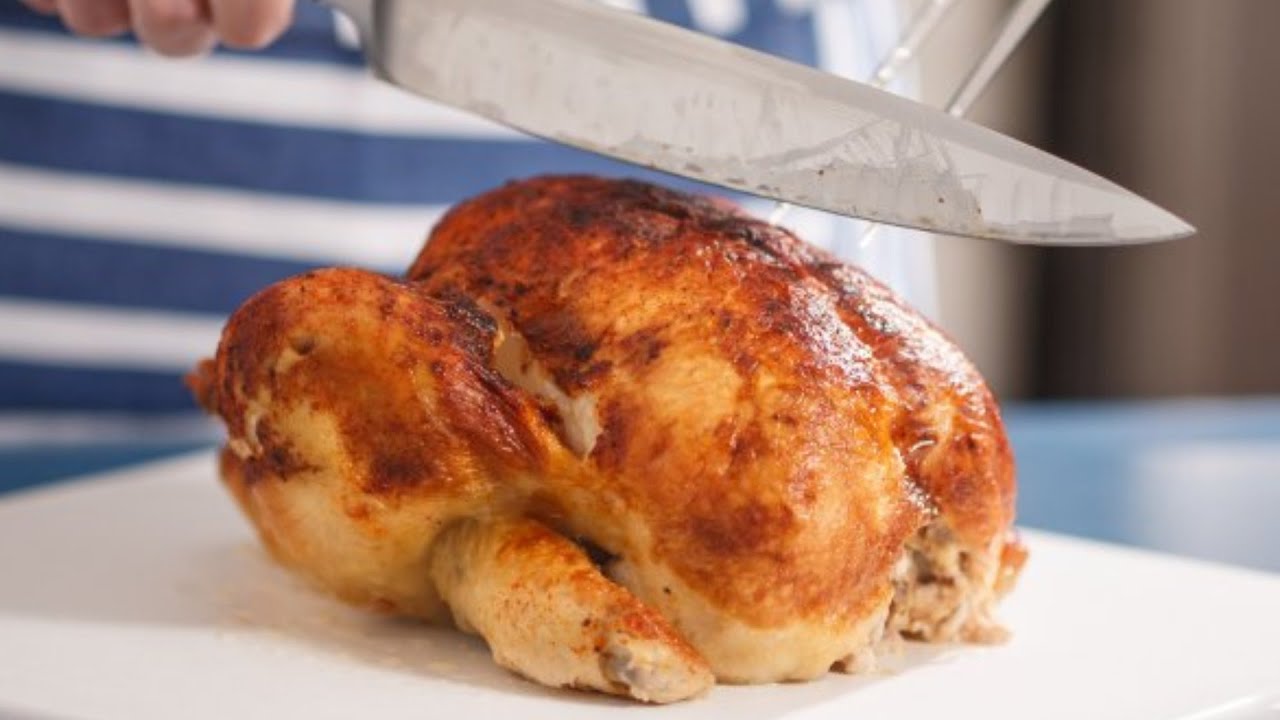
That $4.99 rotisserie chicken practically holding up Costco’s entire food court has a longer ingredient list than most shoppers realize.
Mashed’s breakdown, “Don’t Eat Another Costco Rotisserie Chicken Until You Watch This,” pulls apart the Kirkland Signature bird that’s become a warehouse-club institution. It’s not just chicken and seasoning in that bag — there’s a brine, a stabilizer, and a seaweed derivative doing work most customers never think about between the meat case and the checkout line.
- The three-pound Kirkland Signature rotisserie chicken sells for $4.99 and functions as one of Costco’s best-known loss leaders.
- The ingredient list beyond chicken and water includes salt, sodium phosphate, modified food starch, potato dextrin, carrageenan, sugar, dextrose, and spice extractives — all FDA-approved.
- A standard serving runs about 460 milligrams of sodium, and larger portions can top 1,000 milligrams.
Components of the Culinary Brine
Every Kirkland Signature chicken gets injected with a brine solution before it hits the rotisserie, and sodium phosphate is the additive doing the heaviest lifting there. It keeps the meat from seizing up and drying out during roasting, which is a big part of why the bird stays tender hours after it comes off the spit rather than turning to shoe leather under the heat lamps. Modified food starch works alongside it as an emulsifier and stabilizer, while dextrose adds a faint sweetness that rounds out the salt.
Potato dextrin gets a separate mention for what it does to the skin — it’s the reason the exterior crisps up and holds thickness instead of going soft and rubbery in the display case. None of these are exotic additions; they’re standard tools in commercial poultry processing, even if the names look alarming printed on a package label.
The Carrageenan Question
The seaweed-derived thickener carrageenan draws the most scrutiny in the video, and for good reason — it’s the one ingredient here tied to an actual health debate rather than just an unfamiliar name. Carrageenan is used to help the chicken retain moisture, but it’s also been the subject of ongoing arguments among researchers and consumer advocates over possible links to gut inflammation.
Food-grade carrageenan remains FDA-approved, even as the debate over its effect on gut health persists.
That regulatory approval doesn’t end the argument, but it does explain why Costco — and plenty of other packaged-food producers — can keep using it without running afoul of federal guidelines. Shoppers looking to dig deeper into how additives like this get vetted can find more detail in coverage under InfoSearched’s health news section.
The Sodium Reality
The bigger practical concern isn’t any single additive — it’s the salt load. A standard serving of the rotisserie chicken carries roughly 460 milligrams of sodium, and anyone who digs into a larger portion, which is easy to do given the bird’s size, can push past 1,000 milligrams in one sitting. That’s a serious chunk of the recommended daily intake before you’ve added a single side dish.
Weighed against that is the value proposition that’s kept this chicken a Costco fixture for years: a three-pound bird for $4.99 still beats most grocery-store rotisserie chickens on price per pound, even accounting for the sodium trade-off.
Getting the Most Out of the Bird
The video doesn’t just flag the drawbacks — it walks through how to actually use the thing once it’s home. Shredded meat works for meal prep across the week, and the carcass makes a solid base for homemade stock, stretching the $4.99 price tag even further. For readers looking to put that leftover chicken to work in the kitchen, InfoSearched’s cooking and food coverage has more on turning pantry staples into full meals.
Bottom line from the video: the ingredient panel looks scarier than it eats. Sodium phosphate, modified food starch, potato dextrin, and carrageenan are all doing specific, boring jobs — moisture retention, texture, shelf stability — not lurking as some hidden health hazard. The number worth actually watching on your next Costco run isn’t any of those unfamiliar names on the label. It’s the 460 milligrams of sodium in a serving, and the fact that most people eating this chicken are having a lot more than one serving.










Exploiting My Most Famous Friends
DEADPOOL 3 Teaser (2020) Marvel, New Superhero Movie Trailers HD
The effectiveness of traditional karate.
Unexplainable Bruce Lee Moments that Defy Logic
THE IRISHMAN: Ending Explained Breakdown + Real Life Story & Full Movie Spoiler Talk Review