
 InfoSearched
A Tennessee reseller bet big on pandemic panic-buying — and the internet made him pay for it, fast.
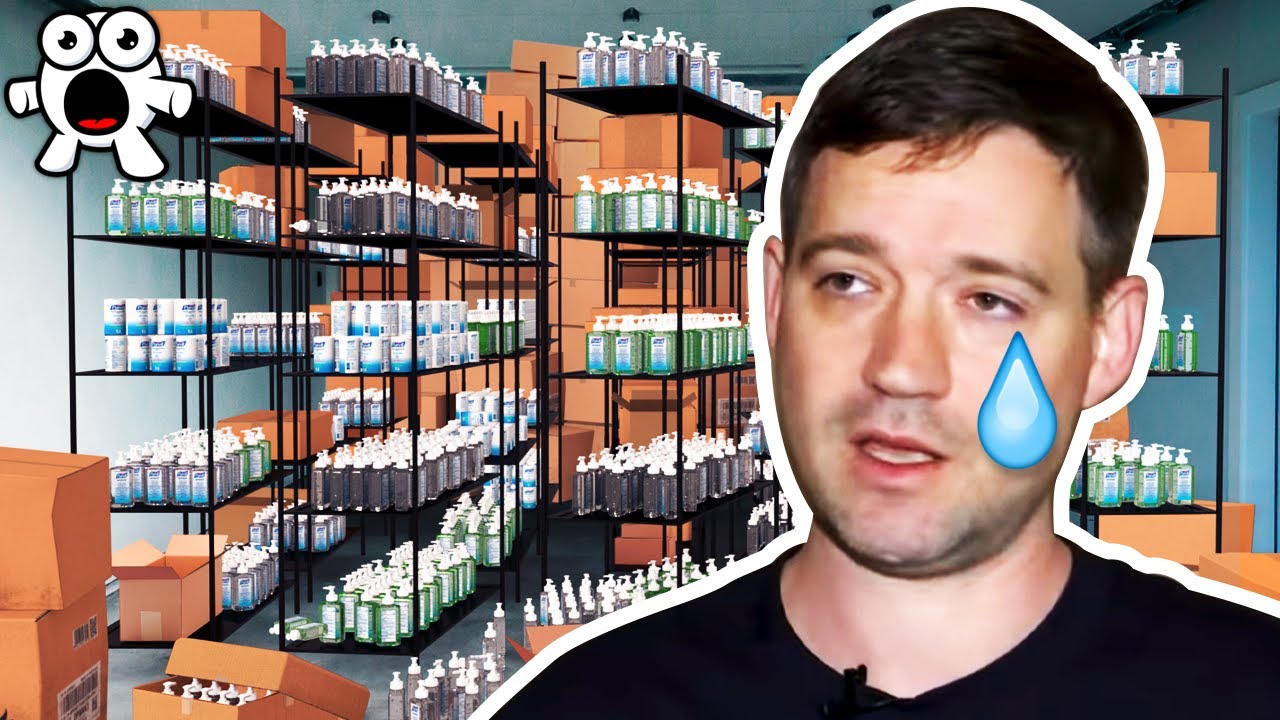
In the first days of March 2020, as the death toll from COVID-19 in the United States began to climb, brothers Matt and Noah Colvin of Hixson, Tennessee, saw a business opportunity in empty store shelves. Matt, a 36-year-old former Air Force technical sergeant turned full-time Amazon reseller, figured hand sanitizer and antibacterial wipes would sell themselves once supply dried up. Instead, the scheme collapsed within weeks, buried him in unsellable inventory, and turned him into a national symbol of pandemic price gouging.
- On March 1 — the day after the first reported U.S. coronavirus death — the Colvins swept Dollar Tree, Walmart, Staples and Home Depot locations around Chattanooga, then Noah drove a U-Haul 1,300 miles across Tennessee and Kentucky, buying up 17,700 bottles of hand sanitizer and thousands of packs of wipes.
- Matt listed the early haul on Amazon, moving 300 bottles for between $8 and $70 each, before Amazon suspended his listings and froze his account and eBay imposed similar restrictions, leaving him with roughly 17,700 bottles stuck in his garage and a storage unit.
- After a March 14 New York Times profile exposed the stockpile, the Tennessee Attorney General’s Office issued a cease-and-desist letter and opened a price-gouging investigation, and Colvin surrendered the entire supply on March 15.
The 1,300-Mile Buying Run
The Colvins didn’t stumble into this by accident. Matt had spent years working the Amazon reselling game — flipping discounted goods for profit — and when coronavirus cases started climbing in early March, he treated it like any other arbitrage play. Noah’s road trip through Tennessee and Kentucky, hitting Dollar Tree, Walmart, Staples and Home Depot stores, wasn’t a shopping spree so much as a supply-chain raid, netting 17,700 bottles of hand sanitizer along with a mountain of antibacterial wipes hauled home in a rented U-Haul.
Amazon and eBay Pull the Plug
Matt got a taste of the payoff first. He listed 300 bottles on Amazon at prices ranging from $8 to $70 apiece — a markup that, on the low end, was still several times retail. But Amazon was already cracking down on coronavirus-era price gouging across its marketplace, and it suspended his listings and froze his seller account almost as quickly as the sales came in. eBay followed with its own restrictions on virus-related listings. The result: Colvin was sitting on close to 17,700 bottles of sanitizer with nowhere to sell them, stacked in his garage and a storage unit he’d rented to hold the overflow.
17,700 bottles of hand sanitizer. Zero places left to sell them.
The Tennessee Attorney General Steps In
The New York Times profile that ran on March 14 turned Colvin’s stockpile into a national story practically overnight, and the backlash was immediate — hate mail, death threats, and outrage from people who couldn’t find a single bottle of sanitizer for their own families. The story wasn’t happening in a vacuum; it landed the same week supply shortages were making headlines everywhere, from empty shelves to New York’s suddenly emptied streets. The Tennessee Attorney General’s Office moved fast, sending Colvin a cease-and-desist letter and formally opening a price-gouging investigation into the operation.
Surrendering the Stockpile
Facing a state investigation and a public he’d thoroughly angered, Colvin gave up the entire supply on March 15 — just one day after the Times story broke. Volunteers from a local church helped load two-thirds of the sanitizer and wipes onto trucks for distribution to Tennessee residents who needed it, while state officials took custody of the remaining third to hand off to authorities in Kentucky. It was a fast reversal for a plan that, less than two weeks earlier, had looked like a straightforward business bet on a shortage — a bet that arrived at almost the same moment the country’s broader reckoning with pandemic profiteering, hoarding, and shortages was just getting started.
Colvin never saw a dollar from those 17,700 bottles — Amazon’s freeze and the AG’s cease-and-desist made sure of that. What he got instead was a U-Haul’s worth of product handed to a church basement and a name attached to one of the first viral cautionary tales of the pandemic, months before most Americans even knew what a shortage of Clorox wipes would eventually look like.









Becky Trailer #1 (2020)
Joe Biden telling group of black kids about RUBBING BLOND HAIR ON HIS LEGS…
INCREDIBLE BEDROOM AND SPACE SAVING FURNITURE FOR SMALL SPACES
Bill Hader impersonates Arnold Schwarzenegger [DeepFake]
Trollhunters: Rise Of The Titans | Guillermo del Toro