
 InfoSearched
A two-inch predator with a stinger that can punch through a beekeeper’s suit is now on North American soil.
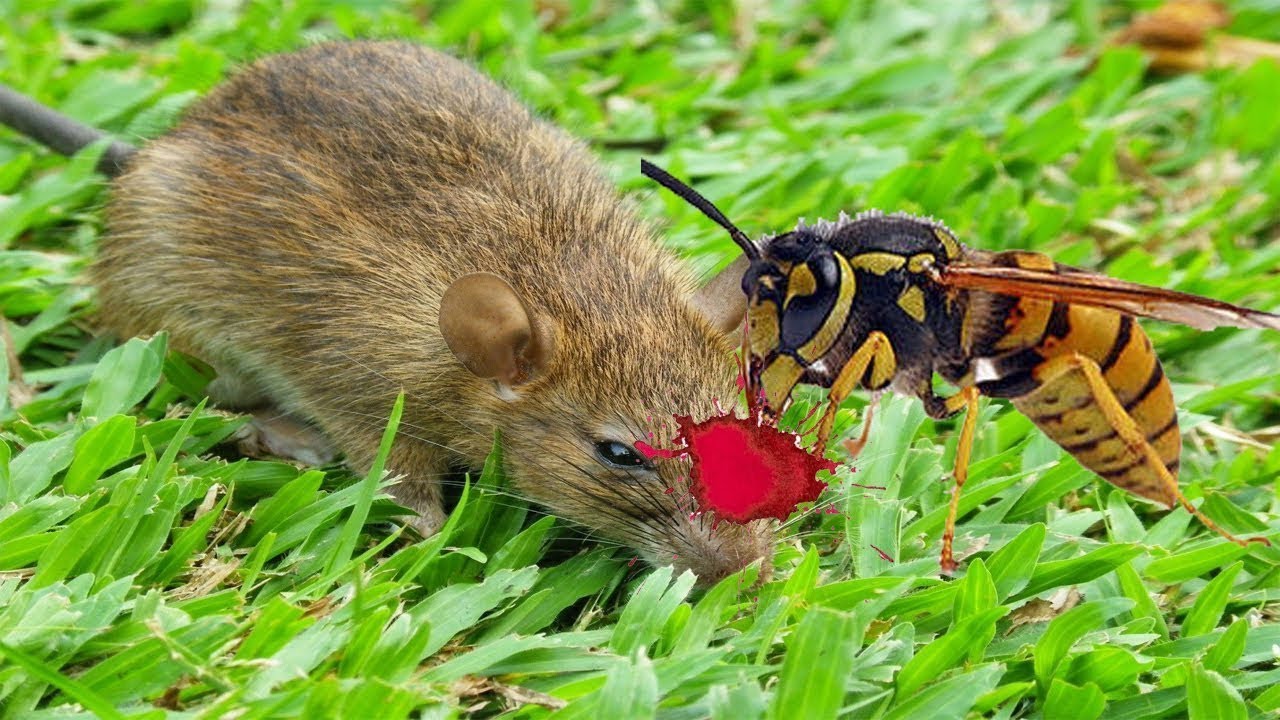
Vice News turned its cameras on the Asian giant hornet, Vespa mandarinia, the world’s largest hornet species and the insect now drawing comparisons to a horror movie villain after its first confirmed North American nest turned up outside Vancouver, British Columbia. The footage shows exactly what beekeepers fear most: a handful of hornets tearing through a honeybee colony in a matter of hours. Entomologists say the “murder hornet” nickname is dramatic, but the threat to honeybees is very real.
- Vespa mandarinia can grow up to two inches long, with a stinger capable of puncturing standard beekeeping suits.
- During its “slaughter phase,” a small group of hornets can wipe out an entire honeybee hive within hours by decapitating adult bees and turning their bodies into protein “meatballs” to feed hornet larvae.
- Canadian beekeeper Conrad Bérubé found and destroyed North America’s first known nest near Vancouver in September 2019, absorbing seven stings through his protective gear in the process.
The Mechanics of Slaughter Phase
The footage that anchors the Vice News report is grim by design. A small scouting party of hornets marks a hive, then returns in force for what researchers call the slaughter phase — a coordinated assault in which the hornets decapitate worker bees one by one, discard the bodies, and haul off larvae and pupae to feed their own brood back at the nest. A handful of hornets, entomologists note, is all it takes to erase tens of thousands of bees in a single sitting.
European honeybees, the species most commonly kept in North American apiaries, have no evolved response to this kind of raid. Japanese honeybees, by contrast, developed a defense over centuries of cohabitation with the hornet: they swarm the intruder in a tight “bee ball,” vibrating their bodies to raise the temperature inside the cluster high enough to cook the hornet alive. American colonies have nothing comparable, which is exactly why a single successful nest can be so destructive.
The Bérubé Encounter
Conrad Bérubé’s discovery near Vancouver in September 2019 gave researchers their first hard evidence that the species had established itself outside Asia. Bérubé located and eradicated the nest himself, getting stung seven times through his gear in the process — a detail that underscores how the hornet’s stinger differs from a honeybee’s in both length and venom potency. His warning was blunt.
“We don’t need yet another threat to the honeybee population.”
Scientists believe the hornets likely crossed the Pacific as stowaways on cargo ships before turning up in British Columbia and, separately, in northwestern Washington state — two sightings close enough geographically to worry apiculturists on both sides of the border.
Separating the Panic from the Trapping Effort
The “murder hornet” label spread fast once the story crossed into mainstream coverage, but Washington State Department of Agriculture entomologist Chris Looney pushed back on the scale of the alarm. Looney, who is overseeing trapping and tracking work across the Pacific Northwest, described the public reaction as running well ahead of the actual data.
“Very, very much the tip of maybe a nonexistent iceberg here that’s gotten lost in all of the hype,” Looney said, framing the current situation as a handful of confirmed sightings rather than an established infestation. His team’s traps are designed to catch queens before they can found new colonies, the same strategy that led to Bérubé’s find in the first place.
The stakes for beekeepers go beyond a single viral hornet. Commercial and hobbyist colonies in North America are already stretched thin by mite infestations and colony collapse pressures, and an unchecked predator with no natural check in the local ecosystem would add another line item to an already long list of threats — a dynamic that echoes how quickly an invasive species can upend a food chain once it finds a foothold, the same pattern documented in 15 Most Dangerous Natural Phenomena In The World.
Future Trends for Beekeepers
For now, the containment strategy is straightforward: trap queens in spring before they can start new nests, track any hornet activity reported near apiaries, and destroy nests the moment they’re confirmed, the way Bérubé did in September 2019. The Washington State Department of Agriculture’s traps remain active across the Pacific Northwest, and every beekeeper in the region now knows the two questions that matter — is it two inches long, and did it just decapitate a hive.










India’s campaigning Miss World – BBC News
Things Only Adults Notice In Thundercats
The Long List Of Celebs Who Have Died In 2020
U.S. military official: Iran tested medium-range ballistic missile
Wibmer’s Law – Fabio Wibmer