
 InfoSearched
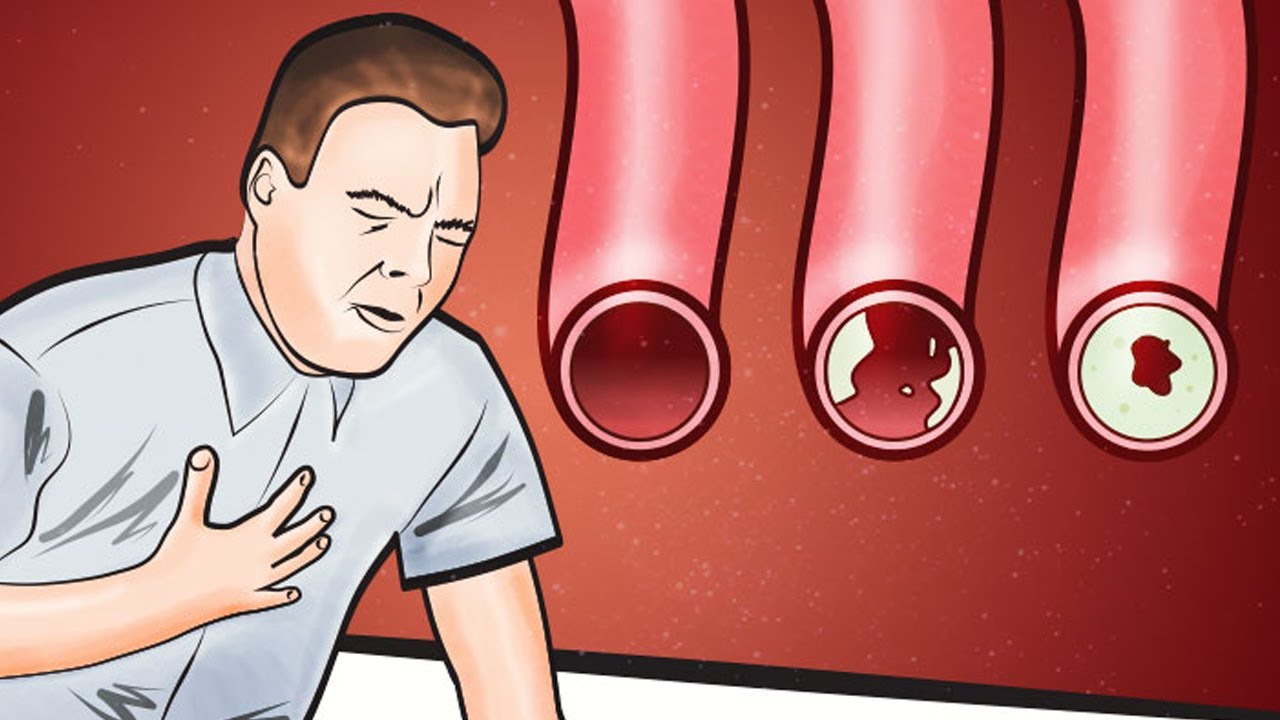
Ten foods stand between an artery lined with plaque and one that stays clear.
A video from Lung Health lays out the case for treating your grocery list like preventive medicine, walking through the foods most consistently tied to lower LDL cholesterol and cleaner artery walls. The stakes are real: the British Heart Foundation warns that atherosclerosis — the slow narrowing of arteries from fatty plaque — often produces no symptoms at all until it’s advanced enough to cause angina, claudication, or a full-blown heart attack or stroke. By then, the damage has already been building for years.
- The British Heart Foundation notes atherosclerosis frequently goes undetected until late-stage symptoms like angina or claudication appear, or until a cardiovascular emergency strikes.
- The American Journal of Clinical Nutrition found women who ate two or more servings of fatty fish per week showed markedly improved cardiovascular markers.
- Research in ARYA Atherosclerosis found regular citrus consumption significantly lowers systolic blood pressure and reduces arterial stenosis.
Fatty Fish Leads the List
Cold-water fatty fish — salmon, tuna, mackerel, trout, and herring — tops the video’s rankings for one simple reason: they’re loaded with EPA and DHA, the two omega-3 fatty acids most closely linked to cardiovascular protection. Those fats work on cholesterol levels directly, helping shift the balance away from the LDL particles that oxidize and lodge in artery walls. If fish isn’t already a weekly habit, the fatty-fish varieties are the ones worth prioritizing over leaner white fish, since the omega-3 concentration is what does the heavy lifting. Anyone looking to build a fish-forward dinner rotation might start with something as simple as a quick weeknight fish dish rather than reaching for takeout.
Women who ate two or more servings of fatty fish a week showed markedly improved cardiovascular markers, according to the American Journal of Clinical Nutrition.
Citrus and the Blood Pressure Connection
Citrus fruit gets its own spotlight in the video, and the research backs it up. The journal ARYA Atherosclerosis published findings showing that regular citrus consumption meaningfully lowers systolic blood pressure while also cutting down arterial stenosis — the narrowing that restricts blood flow and sets up bigger problems downstream. That’s a direct hit on two of the mechanisms that drive heart attacks: high pressure straining artery walls, and physical narrowing choking off circulation.
Fiber, Antioxidants, and the Rest of the Lineup
Rounding out the list are oats, garlic, berries, and leafy greens, each contributing something slightly different to the same fight. Oats bring soluble fiber that binds cholesterol in the digestive tract before it can reach the bloodstream. Garlic and berries supply antioxidant and anti-inflammatory compounds that slow LDL oxidation — the chemical step that turns ordinary cholesterol into the sticky, plaque-forming kind. Leafy greens add their own antioxidant load on top of that, giving the arteries multiple lines of defense rather than relying on any single nutrient to do all the work.
Significance of Early Warning Systems
The video’s framing keeps circling back to the British Heart Foundation’s core warning: atherosclerosis is a silent process. There’s no symptom checklist to catch it early in most cases — angina, claudication, and full cardiovascular events tend to show up only after plaque has already narrowed the arteries substantially. That’s the entire argument for treating diet as prevention rather than damage control, since by the time symptoms appear, the buildup has usually had years to develop.
None of these ten foods work as a substitute for medical monitoring, but stacking fatty fish, citrus, oats, garlic, berries, and leafy greens into a regular rotation gives the arteries several different chemical tools working at once — fiber pulling cholesterol out of circulation, omega-3s recalibrating triglycerides, and antioxidants slowing the oxidation that turns plaque into a real blockage.









Alyson Stoner Returns After 17 Years
15 Most Dangerous Natural Phenomena In The World
Keanu Reeves MPX run with Halle Berry
Tiger King’s Stars Real Life After Netflix
THE BEST UPCOMING MOVIES 2020 (New Trailers)