
 InfoSearched
One hit, years of tolerance gone, and a full-blown panic spiral — that’s the setup Key & Peele turned into one of their sharpest stoner sketches.
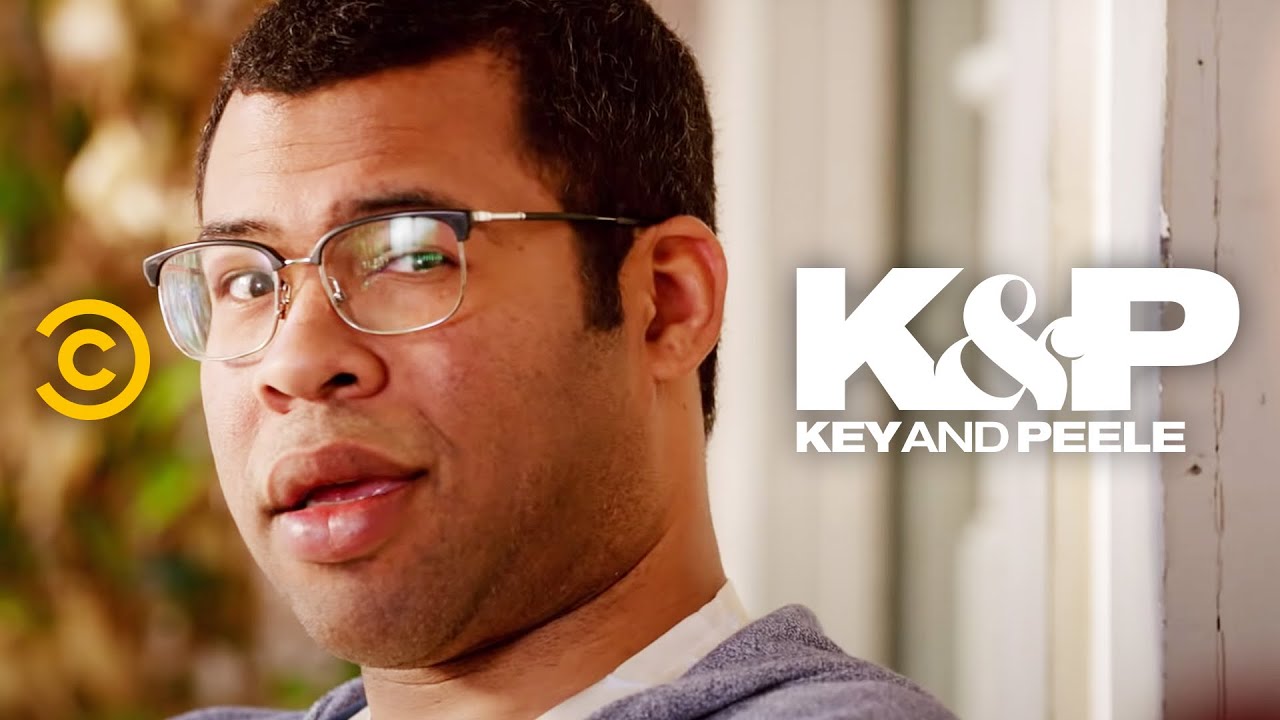
“Let Me Hit That,” the sketch better known by its unofficial title “What Getting High Is Like When You Haven’t Smoked in a While,” takes a familiar setup — a guy who quit weed years ago casually agreeing to smoke with friends — and pushes it into classic Key & Peele territory. Keegan-Michael Key plays the reluctant returnee, Jordan Peele is part of the circle passing the joint, and what starts as a low-key hangout curdles into a five-alarm panic attack after a single hit. It’s a bit built entirely on comic escalation, the trademark that made the Comedy Central series a go-to reference for sketch writers.
- Key’s character has abstained from cannabis for years before agreeing to take a single hit with a group that includes Peele’s character.
- The sketch’s entire comedic engine is the mismatch between how casually his friends treat the moment and how catastrophically his tolerance has collapsed.
- The paranoia and altered perception escalate in stages — sensory distortion, then social anxiety, then full paranoia — the same structure Key & Peele used across their sketch library to build a joke instead of just telling one.
The Setup Key & Peele Perfected
Key & Peele built its five-season run on exactly this kind of premise: a mundane, relatable situation — a job interview, a substitute teacher taking attendance, a guy agreeing to smoke with old friends — that gets escalated past the point of reason while staying grounded in real behavior. “Let Me Hit That” doesn’t need a twist ending or a big reveal. It just needs Key’s character to take one hit and immediately regret every choice that led him there, while everyone around him acts like nothing unusual is happening.
That contrast is the whole joke. Peele and the rest of the group stay chill, unbothered, mid-conversation, while Key’s character quietly starts unraveling in real time. It’s the same rhythm the pair used in sketches like their CIA interrogation bit, where the tension comes from one character’s reality spinning out while everyone else treats the scene as routine.
The Cultural Impact of Tolerance
The sketch works because it’s rooted in something a huge chunk of its audience has actually lived through. Regular cannabis users build tolerance to THC over time, meaning heavier or more frequent smokers often need more product to feel the same effects. Step away for months or years, and that tolerance resets — so a single hit that would’ve done nothing during a person’s heaviest smoking days can instead produce an outsized, disorienting reaction.
That’s precisely the trap Key’s character walks into. He treats the joint the way he used to, forgetting that his body has spent years recalibrating without THC in the picture. The result, dramatized for the sketch, is the kind of overwhelming paranoia and self-consciousness that turns a casual hangout into an internal crisis — heart racing, every glance from a friend read as suspicion, every silence stretched into an eternity.
One hit, and suddenly he’s convinced the whole room is in on something he can’t name.
The Comedic Mechanics
What separates this sketch from a simple “stoned guy freaks out” bit is the pacing. Key & Peele don’t rush the spiral — they let it build in layers, starting with subtle sensory confusion before tipping into full paranoia and social anxiety. Key’s physical performance carries much of that escalation: the darting eyes, the delayed reactions, the sense that his character is narrating a disaster only he can see while his friends carry on as if he’s fine.
Peele’s role as scene partner matters just as much. His character’s calm, almost oblivious demeanor is the pressure valve that keeps ratcheting up Key’s panic — the less alarmed everyone else appears, the more unhinged Key’s character seems by comparison. It’s a formula the duo used across dozens of sketches, and it’s the same instinct for controlled chaos that made stand-up bits built around real, relatable overreactions — the kind you’d find in something like Eddie Griffin’s stand-up material — land with audiences who’ve had a version of that exact moment themselves.
“Let Me Hit That” never needed a plot twist or a big cutaway gag to work — it just needed one guy convinced his friends could read his mind over a single hit, and a room full of people acting like that’s a totally normal Tuesday.








Film Theory: Did Flash SPOIL Spiderman’s Next Villain?
7 MUST KNOW Meal Prep Hacks!
Things Only Adults Notice In Thundercats
Spicy Potato Breakfast Pancakes
How Bike Shop Owner Discovered He Was Jeff Bezos’ Dad