
 InfoSearched
Harvard Medical School pulls back the curtain on the machinery behind medical breakthroughs.
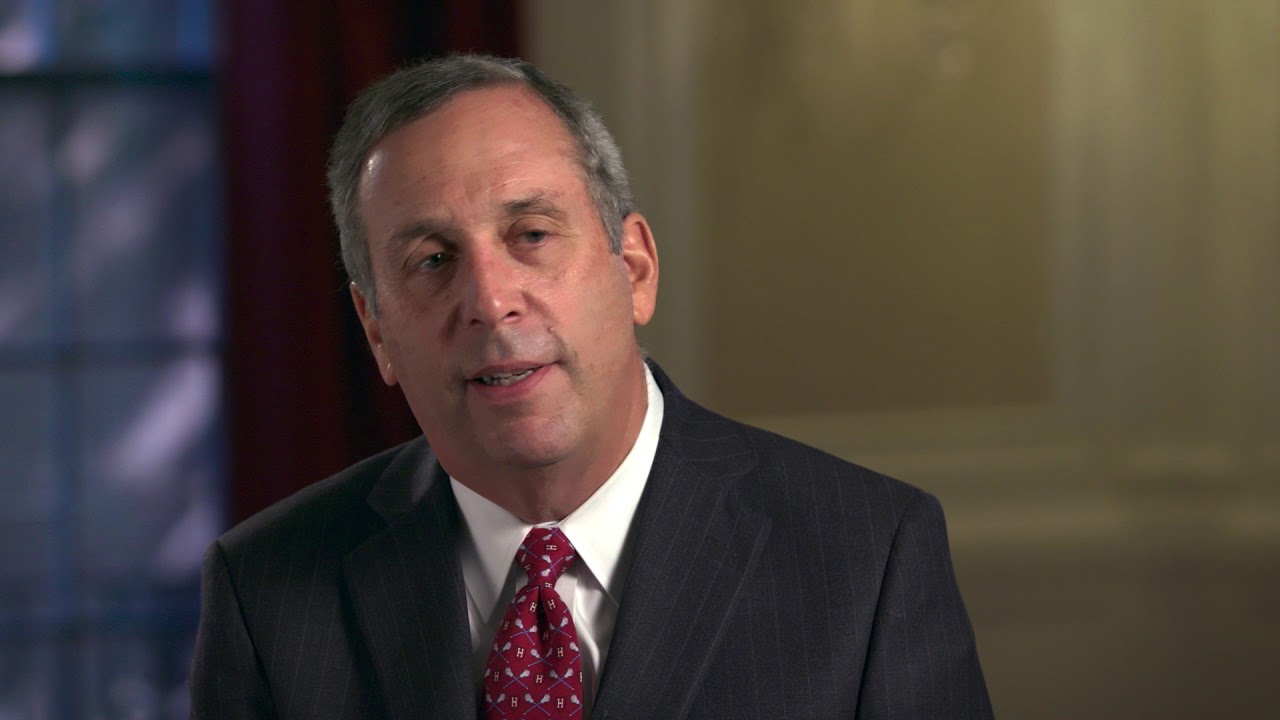
A new institutional video from Harvard Medical School, titled “The Future of Medicine,” skips the speculative talk about robot doctors and gene-editing ethics debates that usually fill this space. Instead, it goes inside the actual plumbing of how a discovery made in a Boston lab ends up as a drug or diagnostic in a patient’s hands. The subject is Harvard’s own life-science ecosystem — the people, buildings, and partnerships that turn basic research into treatment.
- The video, hosted on YouTube under the ID -5LkVYynjUI, was published around November 2018 by Harvard Medical School.
- HMS’s network spans more than 12,000 faculty members and roughly 1,600 medical and graduate students based at the Longwood Medical Area campus in Boston.
- That core campus connects to 15 affiliated academic hospitals and research institutes, plus outside biopharmaceutical companies and biotech incubators across Massachusetts.
The Scale Behind the Story
Numbers do a lot of the talking in this piece. A faculty of over 12,000 is not a typo — it reflects how many clinicians and scientists HMS counts across its affiliated network, dwarfing the med school’s roughly 1,600 students in size. The video frames Longwood Medical Area not as a single campus but as a hub feeding into and drawing from 15 separate hospitals and institutes scattered around Boston.
That structure is the entire point of the presentation. Rather than treat Harvard Medical School as one building full of professors, the video treats it as a distribution network — a place where a discovery made in one lab has a direct, mapped-out route to a hospital ward or a biotech startup’s pipeline.
Bench to Bedside, Literally
The video’s central theme is the handoff between basic science — the chemistry and biology of why disease happens in the first place — and translational research, the work of turning that knowledge into something a doctor can actually prescribe or order. HMS presents this as a two-way relationship rather than a one-directional pipeline, with clinical observations at teaching hospitals feeding new research questions back to bench scientists.
More than 12,000 faculty and roughly 1,600 students, spread across a Boston campus and 15 affiliated hospitals — that’s the machine the video says is built to move ideas from the lab bench to the bedside.
This is where the piece separates itself from generic “future of medicine” think-pieces about artificial intelligence or CRISPR ethics. HMS isn’t selling a single flashy technology; it’s selling the surrounding infrastructure that makes any technology usable at scale, whether that’s a new diagnostic test or a therapy in clinical trials at one of its affiliated hospitals.
Industry Partnerships Across Massachusetts
The video also leans on Harvard’s geography. Massachusetts is home to one of the densest concentrations of biopharmaceutical companies and biotech incubators in the country, and HMS positions its faculty and hospital network as the academic anchor for that commercial ecosystem. The pitch is that academic labs and private companies aren’t operating in separate lanes — they’re feeding the same drug-discovery pipelines and healthcare-delivery experiments.
For readers following how research funding and healthcare policy intersect more broadly, the same collaborative model shows up again and again in coverage under Health News — academic-industry partnerships accelerating what actually reaches patients. It’s also a recurring thread in Science & Technology reporting on how research institutions convert lab findings into commercial products.
The video doesn’t name a specific drug, trial, or partnership as its centerpiece — it’s an institutional showcase, not a case study. What it does establish is scale: a faculty base of 12,000-plus, a student body of about 1,600, and 15 hospital and institute affiliations, all wired into the biotech corridor surrounding Boston. That’s the infrastructure Harvard is betting will keep producing the next round of treatments coming out of Longwood.










Transformers: War For Cybertron Trilogy – Siege | Official Trailer
Men In Black International — How to Build a Toxic Hero | Anatomy Of A Failure
15 Most Dangerous Natural Phenomena In The World
speaking 12 languages to strangers in korea
Worst Movie Night