
 InfoSearched
A CNN crew gets swallowed by their own broadcast in Hong Kong.
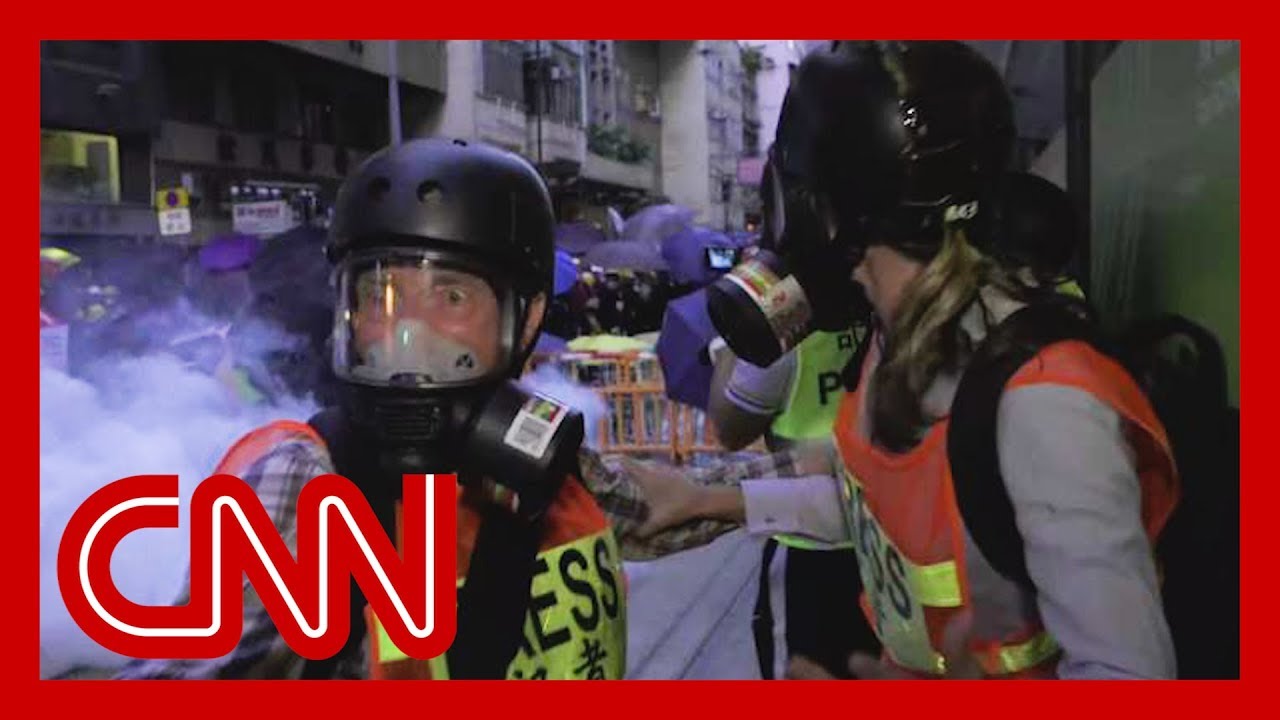
Anna Coren was mid-report on the weekend of July 27-28, 2019, when the chemical cloud she was describing reached her. The CNN international correspondent and her camera crew were caught directly in tear gas fired by riot police during a weekend of escalating anti-government demonstrations across Hong Kong, forcing them to scramble for masks and protective gear while still rolling.
- Coren and her crew were hit by tear gas while broadcasting live from front-line clashes between riot police and black-clad demonstrators.
- The unrest centered on Yuen Long, where protesters mobilized to confront the fallout from a mob attack on commuters and demonstrators at the metro station the previous Sunday, along with separate clashes on Hong Kong Island.
- Police responded with tear gas, rubber bullets and sponge grenades to break up the crowds defying an official ban on the rallies.
The Weekend That Escalated
By late July, Hong Kong’s protest movement had moved well past its original target. The extradition bill that started it all — legislation that would have allowed suspects to be sent from Hong Kong to mainland China for trial — had already been suspended by Chief Executive Carrie Lam, but the demonstrations kept growing anyway, driven now by anger over police tactics and demands for accountability. The weekend of July 27-28 became one of the rawest tests yet of how far riot police were willing to go to clear the streets.
Yuen Long was the flashpoint. Protesters converged on the district specifically because of what had happened there the Sunday before: a mob, widely believed to have ties to organized crime, stormed a metro station and beat commuters and demonstrators with little police intervention at the time. That attack turned Yuen Long into a symbol, and the crowds that returned there a week later were determined to make a point. Separate confrontations broke out on Hong Kong Island the same weekend, stretching riot units across multiple fronts.
Caught in the Cloud
CNN’s coverage put Coren and her crew in the middle of the response rather than on its edges. As officers fired round after round of tear gas, rubber bullets and sponge grenades into the crowds, the chemical haze drifted into the position where the CNN team was reporting. Cameras kept running as the crew reached for gas masks mid-broadcast, the picture and audio documenting exactly what protesters and, increasingly, journalists were breathing in on the front lines.
Riot police fired volley after volley of tear gas, rubber bullets and sponge grenades to scatter the crowds — and CNN’s crew was standing in the cloud when it hit.
The footage, titled “CNN reporter and crew hit by tear gas in Hong Kong,” landed as one of the more visceral pieces of evidence of how physically dangerous ground-level coverage of the protests had become. It wasn’t a staged stand-up with tear gas in the background — it was a working correspondent and her camera operator getting hit by the same gas meant for the crowd around them.
Press Caught Between Two Sides
Reporters covering Hong Kong that summer had no real buffer zone. Riot lines moved fast, crowds scattered in every direction, and canisters didn’t discriminate between demonstrators and the press badges standing near them. Coren’s crew getting caught in the gas wasn’t an isolated mishap; it reflected the reality that as the protests shifted from peaceful marches into direct confrontations with baton-wielding officers, anyone standing close enough to film the standoff was standing close enough to get gassed.
The wider story of that weekend — detailed further in ongoing world news coverage of Hong Kong — was a protest movement that had outgrown its original demand. What began as opposition to one bill had turned into a broader confrontation over policing, accountability and how much force the government was willing to authorize on its own streets, a dynamic that ongoing political coverage would keep tracking as the summer wore on.
Coren stayed on air through it. The footage of her crew masking up mid-cloud became one of the clearest snapshots of what covering Hong Kong that weekend actually looked like — not a briefing room, not a press conference, but a street in Yuen Long thick with gas and no clean line between the story and the people telling it.







33 KITCHEN HACKS THAT WILL MAKE YOU LOVE COOKING
Zoë Kravitz Gets Trippy While Eating Spicy Wings
Frozen humans brought back to life
LES TWINS | Freestyle to One Way Shanghai Workhshop 2020 ????????
Superfan Brad Pitt Distracts Ellen While Sitting in the Audience