
 InfoSearched
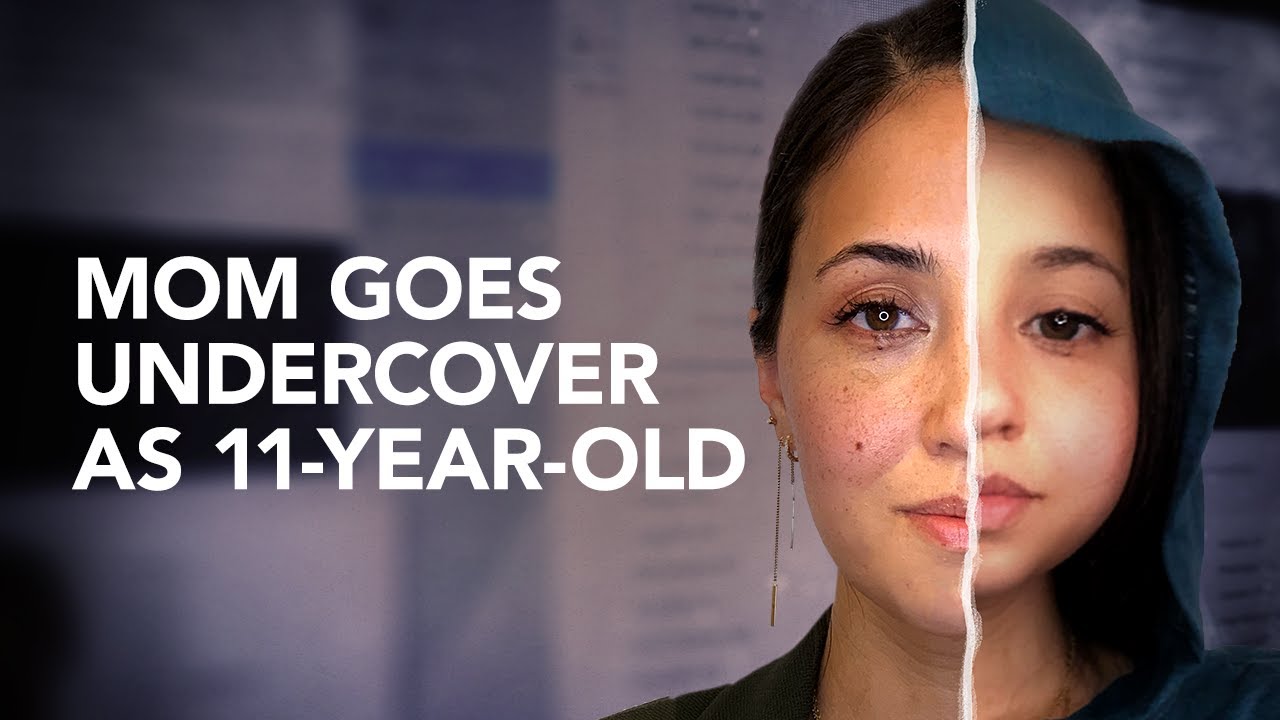
A 37-year old mom goes undercover as an 11-year old girl to expose the dangers facing kids on social media platforms like Instagram, Snapchat, TikTok, and Kik.
Left unsupervised, young children can be exposed to online predators, grooming, and psychological abuse within minutes.
What was the purpose of Garcia’s “disguised visit” to her daughter’s school?
Social Media Dangers Exposed by Mom Posing as 11-Year-Old
Social media has completely revolutionized the way we communicate and interact in the 21st century. It has not only brought people closer together but has also opened up vast opportunities for individuals and businesses to promote themselves and their interests. However, with such immense benefits come several dangers, specifically for children who are the most vulnerable demographic on social media.
Recently, a mother from Florida made headlines after posing as her 11-year-old daughter to expose the potential dangers of social media. The mother, Casey Garcia, created a social media account pretending to be her daughter and joined one of the most popular social media platforms, Snapchat. Despite Snapchat’s age requirement of 13 years, she managed to create an account without any difficulty.
Garcia’s experiment began as an attempt to prove to her daughter the dangers of social media, but it soon turned into a much broader and more alarming revelation. She started receiving numerous messages from strangers, some of which were highly inappropriate, containing swear words or even sexual content. Garcia even found herself being added on a social media app primarily used for hooking up.
In a shocking twist, Garcia decided to attend her daughter’s school disguised as the 11-year-old to test the school’s security procedures. She managed to walk seamlessly into the school, bypassing all security measures, without anyone raising any suspicion. This revelation has raised serious concerns about the security protocols of schools and the potential danger it poses to children’s safety.
Garcia’s experiment drew significant attention to the threats children face on social media, including cyberbullying, identity theft, and exposure to explicit content. Moreover, it also highlighted the increasing need for parents to educate their children about online safety and monitor their digital activities.
The incident is not simply a wake-up call for parents; it serves as a reminder that social media companies need to do more to protect children. Age restrictions are crucial and should be strictly enforced to prevent underage children from accessing these platforms. Inappropriate content should be removed, and security protocols should be enhanced, so children have a safe online experience.
In conclusion, the story of Casey Garcia and her experiment has exposed the many dangers children face on social media platforms. It highlights the urgent need for increased vigilance and regulation, both by parents and social media companies. Children should be able to enjoy the benefits of social media without being threatened by potential dangers. The solution, therefore, is not to remove social media from children, but rather to educate them about online safety and ensure that the necessary security measures are in place.










Billie Eilish Surprises Alicia Keys w/ a Home Video ‘Fallin’ Cover
The Future of Medicine
Bulldog Has Incredible Reaction To Actress In Trouble
Beyoncé –“Spirit”+“Bigger” extended cut from Disney’s The Lion King in theaters now (Official Video)
Keanu Reeves Stops A ROBBERY!