
 InfoSearched
A bowl of saimin tells the story of Hawaii’s plantation kitchens better than any history book.
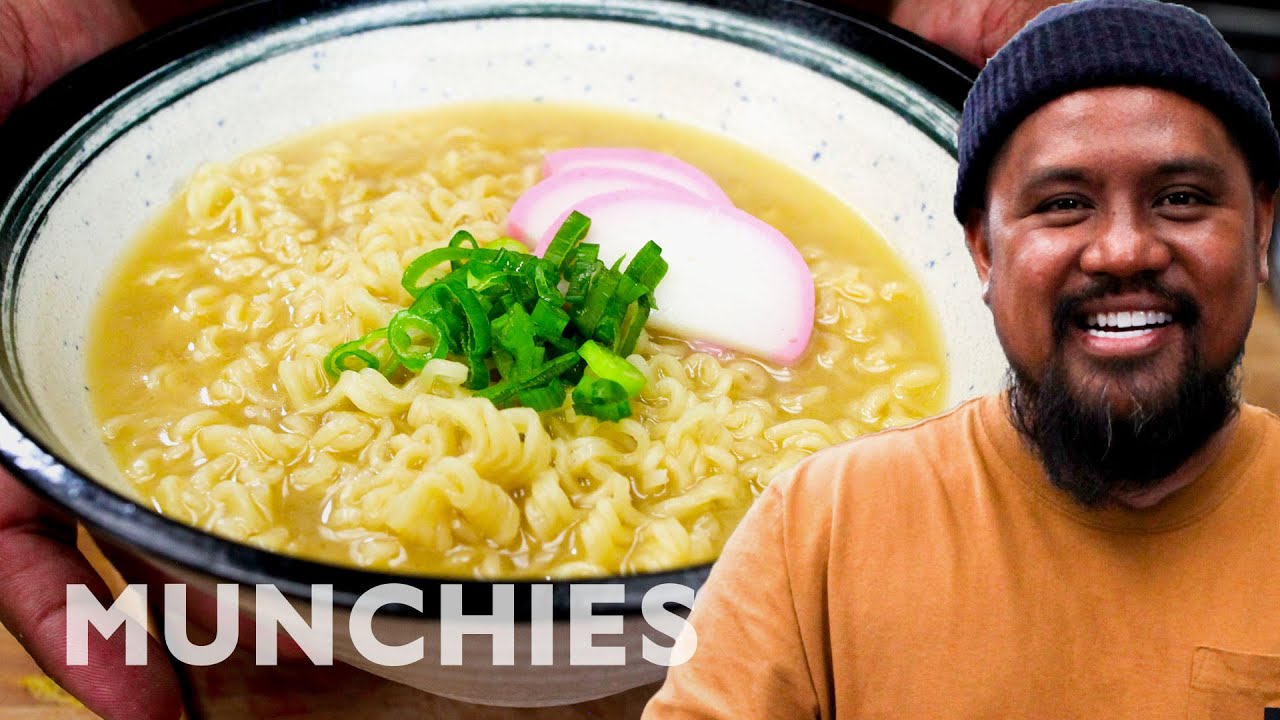
Chef Sheldon Simeon, a Hilo native and two-time Top Chef fan favorite, walks through the making of saimin in a Munchies cooking feature that treats the dish as exactly what it is: a working-class noodle soup built from three immigrant cuisines colliding in one pot. Simeon lays out the broth, the noodles, and the barbecue skewers that traditionally ride shotgun on the plate, explaining along the way why saimin exists nowhere else but the islands.
The demonstration moves from pressure cooker to mixing bowl to boiling pot, with Simeon narrating each ingredient choice as a nod to a specific culture that shaped Hawaii’s plantation-era food scene. It’s less a recipe video than a short lesson in how Japanese, Chinese, and Filipino noodle traditions got folded into one bowl by workers who didn’t have the luxury of keeping their food separate.
- Simeon builds the broth in a pressure cooker using chicken and pork bones, then layers in kombu, dried shiitake mushrooms, and dried shrimp for a dashi-style umami backbone.
- He preps and marinates beef for grilled barbecue skewers, the classic saimin-stand side dish served at legacy spots like Hamura Saimin on Kauai.
- The finished bowl is garnished with sliced kamaboko and green onions, boiled saimin noodles, and served with Chinese hot mustard on the side.
Building a Broth From Three Cuisines
Simeon’s broth starts with the basics of any good stock — chicken and pork bones pushed through a pressure cooker to speed up extraction — but it doesn’t stay basic for long. He drops in kombu and dried shiitake mushrooms, the same pantry staples that anchor Japanese dashi, then adds dried shrimp for a briny hit that’s closer to Chinese and Filipino noodle broths. Carrots, leeks, garlic, and fresh ginger round it out, giving the liquid sweetness and bite before it gets strained hot over the noodles.
That layering is the entire point of saimin as a dish. It’s not ramen with a different name; it’s a broth built specifically to hold three separate noodle-soup traditions at once, which is why Simeon treats the stockpot as the most important step in the whole demonstration.
The Barbecue Skewers on the Side
No saimin plate is complete without the beef skewers, and Simeon treats the marinade and grilling process with the same care he gives the broth. These barbecue sticks are the standard companion order at saimin stands across Hawaii, the kind of pairing you’d find at a spot like Hamura Saimin on Kauai, where locals have ordered soup-and-skewers combos for generations. Simeon preps and marinates the beef separately from the noodle work, timing it so both come together at the same moment on the plate.
Saimin blends Japanese ramen, Chinese mein, and Filipino noodle dishes into one island comfort bowl — a direct product of Hawaii’s plantation-era melting pot.
Assembling the Bowl
Once the broth is strained and hot, Simeon boils instant-style saimin noodles until tender and ladles them into the bowl. The garnish is simple and deliberate: sliced kamaboko fish cake and chopped green onions on top, with a small dollop of Chinese hot mustard served on the side for dipping and seasoning. It’s the same presentation you’d see handed across the counter at any old-school saimin stand, no fusion-restaurant plating required.
For readers who want to see other chefs work through technique-heavy dishes step by step, Munchies-style breakdowns like this sit comfortably alongside other cooking features that focus on craft over shortcuts — the kind of video where a chef like the one in this knife-skills demonstration lets the process speak for itself.
The Enduring Importance of Dish
Simeon frames saimin as Hawaii’s answer to the question every immigrant community eventually asks: what happens when you put everyone’s noodle soup in the same kitchen? The answer, on the islands, was a broth flavored with Japanese dashi ingredients, noodles borrowed from Chinese mein, and a side dish tradition that runs through Filipino barbecue culture — all served at roadside stands that have operated the same way for decades.
Simeon’s version doesn’t reinvent the dish; it just shows the mechanics behind a bowl that most people in Hawaii grew up eating without ever asking how it got made. That’s the whole appeal of watching a chef who grew up on the stuff walk through it slowly, bone broth to hot mustard, the same way it’s been done at stands like Hamura Saimin for years.






Angry French Bulldog on Diet Throws Tantrums for Not Getting Food – 1065754
Giant Murder Hornet vs Rat, Cicada and Mantis
10 Products That Will RUIN Your Childhood!
JUNGLE CRUISE : 4 Minute Trailer (4K ULTRA HD) NEW 2020
Let’s Talk Porn | Maria Ahlin | TEDxGöteborg