
 InfoSearched
One mom’s six-month experiment with a $20 skincare tool raises a real question about postpartum body confidence.
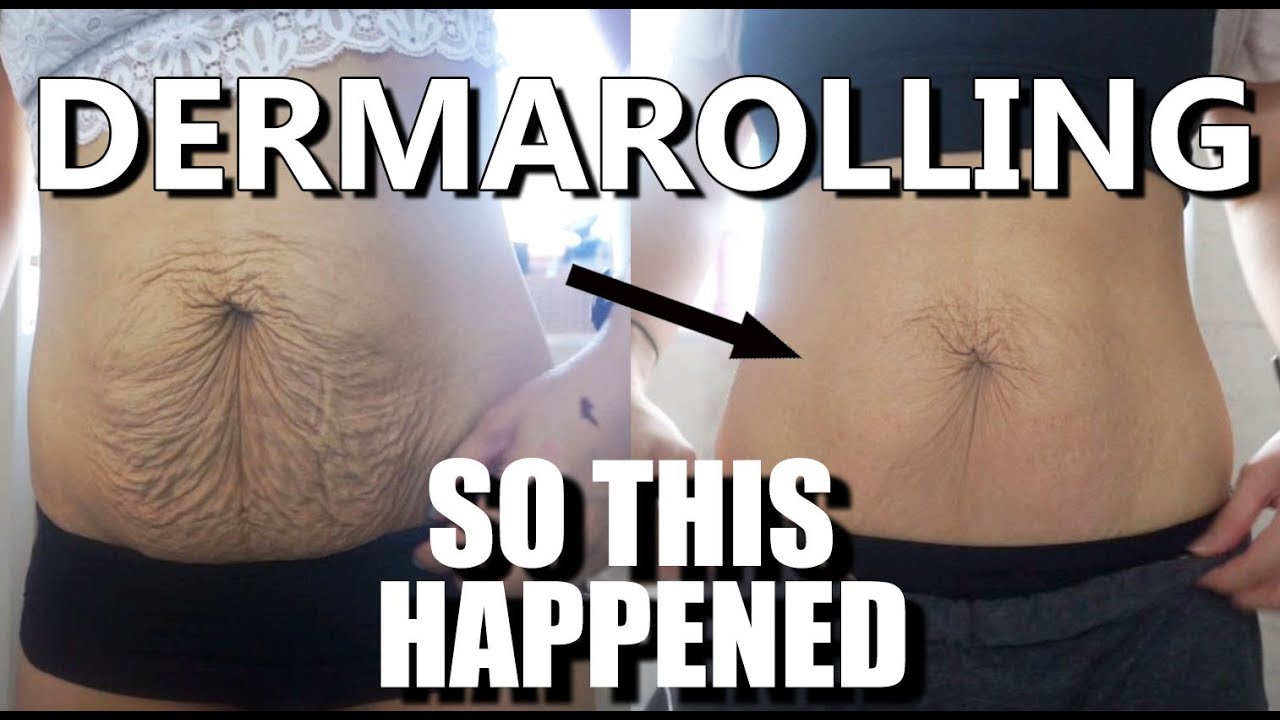
After two pregnancies left her with loose, sagging skin across her lower abdomen, one mother turned to a documented, months-long test of at-home dermarolling instead of surgery. She’d ruled out a tummy tuck outright — the recovery time, the cost, and the physical toll felt like too much to take on while raising young kids. Instead, on the advice of a cosmetic surgeon friend, she picked up a microneedling roller more commonly associated with facial acne scars and pointed it at her stomach.
- The mother ruled out abdominoplasty because of the recovery downtime, high cost, and physical strain of surgery.
- A cosmetic surgeon contact suggested derma rolling the stomach — a technique typically used on facial acne scars and fine lines, not commonly applied to postpartum bellies.
- She documented a six-month rolling journey and eventually progressed from a smaller needle depth up to a 2mm roller as her skin adjusted.
Reasons for Avoiding Surgical Intervention
Loose abdominal skin after pregnancy is common enough that plastic surgeons have a standard answer for it: abdominoplasty, better known as a tummy tuck. But that answer comes with weeks of downtime, a bill that runs into the thousands, and an incision that most new mothers juggling infants simply can’t recover from on schedule. She said plainly that she wasn’t strong enough, mentally or physically, to go through with it — and that the loose skin, while never enough to send her into depression, had made her self-conscious in intimate moments with her partner.
That’s the gap dermarolling was pitched to fill: a low-cost, non-surgical option she could try at home with nothing to lose, since, in her words, her stomach already felt like “a lost cause.”
The Mechanics of Derma Rolling a Postpartum Belly
Derma rolling — also called microneedling or collagen induction therapy — works by rolling a handheld device covered in fine needles across cleaned skin to create controlled micro-punctures. For body tissue like the abdomen, rollers typically run in the 1.0mm to 1.5mm needle-depth range, deeper than the tools used on facial skin. Those tiny punctures trigger the body’s wound-healing response, which ramps up collagen and elastin production and also opens the skin to absorb firming serums more effectively.
She started at a lower needle depth and worked her way up over the six months, eventually moving to a 2mm roller as her skin tolerated more aggressive treatment. That kind of gradual progression is standard advice among people who use these tools regularly, since deeper needles mean more micro-trauma and require more careful hygiene between sessions.
“I figured I’d have nothing to lose since my tummy was already a lost cause.”
Separating Muscle Tone From Skin Texture
One of the more useful parts of her account addressed a question she kept getting: did exercise do this instead? She was direct about it — working out four to five times a week and eating clean tightened her abdominal muscles and improved the muscle separation from her pregnancies “by miles,” but it never changed the loose, wrinkled appearance of the skin itself. She noted that if exercise alone could fix sagging skin, tummy tucks wouldn’t exist.
She’d actually started rolling in June, at the peak of her fitness routine, and her stomach was still visibly wrinkly at that point. Since then she’s cut back to about twice a week and less intensity, yet says she’s continued to see gradual improvement in both smoothness and skin feel — evidence, in her telling, that the rolling itself, not the workouts, was driving the change. That distinction matters for anyone considering the surgeon-alternative route covered elsewhere under InfoSearched’s health news coverage, where body-confidence stories increasingly intersect with at-home treatment trends.
Results, Caveats, and Safety Notes
She was careful to frame the six-month results as subtle rather than dramatic — she never expected her stomach to return to its pre-pregnancy state, but said she saw incremental changes throughout the process and planned to keep rolling to check progress again after another six months. She also stressed that outcomes will vary person to person, and that she isn’t telling every reader to run out and buy a roller.
Her safety notes were specific: she researched for weeks before buying a roller, sanitized both the tool and her skin before each session, and warned against ever sharing a derma roller with anyone else, given the micro-punctures it creates in the skin. That’s consistent with broader body-image conversations that have played out publicly, including moments like Jessica Simpson calling out Vogue over body shaming, where women have pushed back on unrealistic standards while still being candid about what they’re doing to feel good in their own skin.
She’s not done. The plan is to keep rolling and reassess in another six months — the same patient, no-promises approach that got her this far, just with a slightly bigger needle now doing the work.










Mayo Clinic Minute: 6 tips to healthy eating on a budget
Gordon Ramsay Attempts To Make Fish & Chips at Home in 10 Minutes
Brawl breaks out at Red Lobster after long wait times on Mother’s Day
China reports fourth plague case in a month
Joe Rogan Experience #1351 – Dan Aykroyd