
 InfoSearched
Inside the arena where paralyzed pilots race prosthetic legs and brain signals instead of muscle.
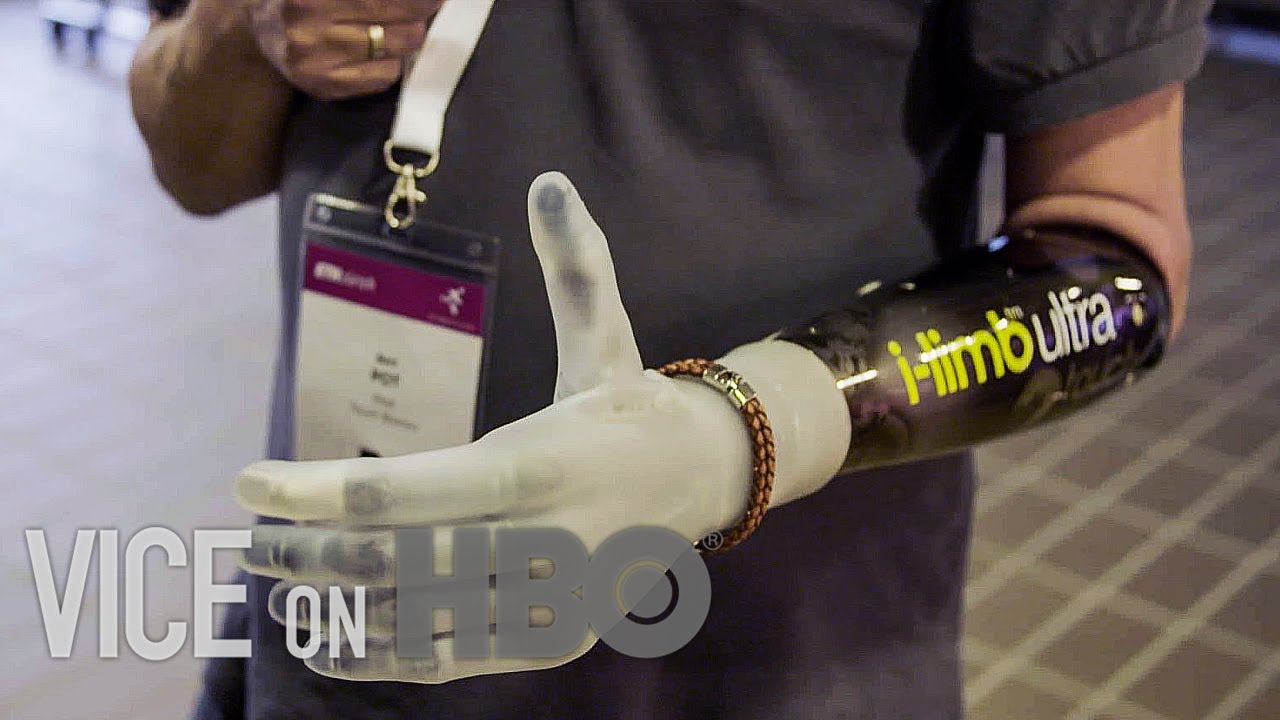
Forget wheelchair basketball and unpowered running blades — the competition VICE News profiles in “How Bionic Limbs Are Changing Lives” puts motorized, computer-driven robotics front and center. It’s called the Cybathlon, and it was built specifically to test technology the Paralympics won’t allow.
Founded by Robert Riener of ETH Zurich, the event pits “pilots” against real household obstacles — stairs, uneven terrain, door handles — using powered arms, powered legs, and even brain-computer interfaces that translate thought into on-screen action. The report treats it less as a spectacle and more as a stress test for where neuroprosthetics actually stand right now.
- The Cybathlon, founded by Robert Riener of ETH Zurich, allows motorized and computerized assistive robotics that the traditional Paralympics explicitly bans.
- Disciplines covered include brain-computer interface races for paralyzed pilots, powered arm and leg prosthesis courses, and functional electrical stimulation (FES) bike races.
- FES bike racing exposes a hard physiological limit: fast-twitch muscle fibers fatigue rapidly under artificial electrical stimulation, capping how long a paralyzed cyclist can actually pedal at speed.
The Bionic Olympics, Explained
Riener designed the Cybathlon around a simple complaint from the disability community: the Paralympics measure what the human body can do with minimal assistance, while millions of people actually need — and use — powered devices every day. The Cybathlon flips that restriction, turning the assistive tech itself into part of the competition rather than something to be minimized.
Pilots don’t just wear the hardware, they train with it for months, learning the specific quirks of their exoskeleton, their powered prosthetic arm, or their neural interface the way any athlete drills with equipment. The report frames the event as equal parts sports competition and open-air engineering conference, with teams from university labs and startups showing what their hardware can do outside a clinical setting.
Brain-Computer Interfaces Take the Track
The most striking discipline is the BCI race, where pilots with paralysis control an on-screen avatar using neural implants or external sensor arrays reading electrical activity from the brain — no muscle movement required. The report positions this as the sharpest edge of the field: technology that lets someone paralyzed from the neck down issue commands to a computer using thought alone.
Unlike the Paralympics, the Cybathlon exists specifically to showcase motorized, computerized, and powered assistive robotics that traditional competition rules keep off the field.
That’s a meaningfully different problem than a powered prosthetic leg. A leg replaces a mechanical function; a BCI replaces the entire communication pathway between intention and action, which is why the report treats the discipline as the clearest signal of where neuroprosthetics are headed next.
The Fatigue Problem Nobody Talks About
The FES bike race is the segment’s reality check. Functional electrical stimulation fires electrical pulses into paralyzed leg muscles to force pedaling motion, but fast-twitch fibers burn out fast under artificial stimulation in a way they don’t under natural neural signaling. It’s a clinical hurdle, not a marketing one — and it’s exactly the kind of detail that separates a lab demo from something a person could rely on daily.
That gap between prototype and daily functionality runs through every discipline the report covers. A powered arm that works flawlessly in a fitting room can behave differently after ten minutes of real use, which is why competitions like this matter more than a press release from a robotics lab.
Restoring the Sense of Touch
Beyond movement, the report digs into bidirectional feedback — devices that don’t just move on command but send sensation back to the user through targeted nerve reinnervation or direct neural stimulation. That’s the difference between operating a claw and actually feeling what the claw is touching, a distinction the report treats as central to whether a prosthetic ever feels like part of the body rather than a tool strapped to it.
Readers curious about the broader push in rehabilitation science will recognize the pattern: reducing cognitive and physical fatigue matters as much as raw functionality, because a limb that requires constant conscious effort to operate gets abandoned no matter how capable it is on paper.
For more on where human-machine interface research is heading next, the same lab-to-life gap the report highlights in prosthetics shows up across neural implant work more broadly — impressive in a demo, still fighting for reliability in someone’s actual living room.
The FES fatigue problem is the one detail worth remembering here: until fast-twitch fibers stop burning out under electrical stimulation, no bionic bike pilot is racing on raw endurance alone — they’re racing against their own muscle chemistry, same as every Cybathlon team before them.










Miley Cyrus – Slide Away (Official Video)
Survivalist Les Stroud Breaks Down Survival Scenes from Movies
Joe Rogan Experience #1351 – Dan Aykroyd
Trump asked if he’d pardon Joe Exotic from ‘Tiger King’ Netflix series
Naya Rivera’s Heartbreaking Last Photo Before Her Disappearance