
 InfoSearched
Four medical stories will define how doctors, patients and the FDA move through 2019.
CBS News medical contributor Dr. Tara Narula sat down with “CBS This Morning” on January 1 to walk through the health developments carrying over from 2018 into the new year. Her list ran from a still-unsolved paralysis outbreak in children to the ethical fallout of the world’s first gene-edited babies, plus the steady march of 3D-printed tissue and wearable diagnostics into everyday care. None of these stories are finished — they’re the ones researchers and regulators will be chasing all year.
- Acute flaccid myelitis (AFM), a polio-like condition that struck dozens of children across the U.S. in 2018, remained unexplained heading into 2019, with researchers racing to pin down a cause and speed up diagnosis.
- A Chinese researcher’s late-2018 claim of creating the first gene-edited human babies pushed CRISPR’s clinical promise and its ethics into direct conflict, forcing the question of international oversight.
- 3D bioprinting of human tissue and organs advanced as a potential answer to the donor organ shortage, alongside a wave of wearable devices and genetic testing feeding personalized drug therapy.
The AFM Mystery Nobody Had Solved
Acute flaccid myelitis grabbed national attention in 2018 after dozens of children across the country developed sudden muscle weakness and paralysis resembling polio. Dr. Narula told “CBS This Morning” that the cause still hadn’t been pinned down as the calendar turned to 2019, leaving public health authorities working from the same urgent questions they’d had all fall: what’s triggering it, how do you catch it faster, and what, if anything, treats it. The condition’s rarity and its concentration in children made it one of the more unsettling open cases in pediatric neurology going into the new year.
CRISPR After the He Jiankui Announcement
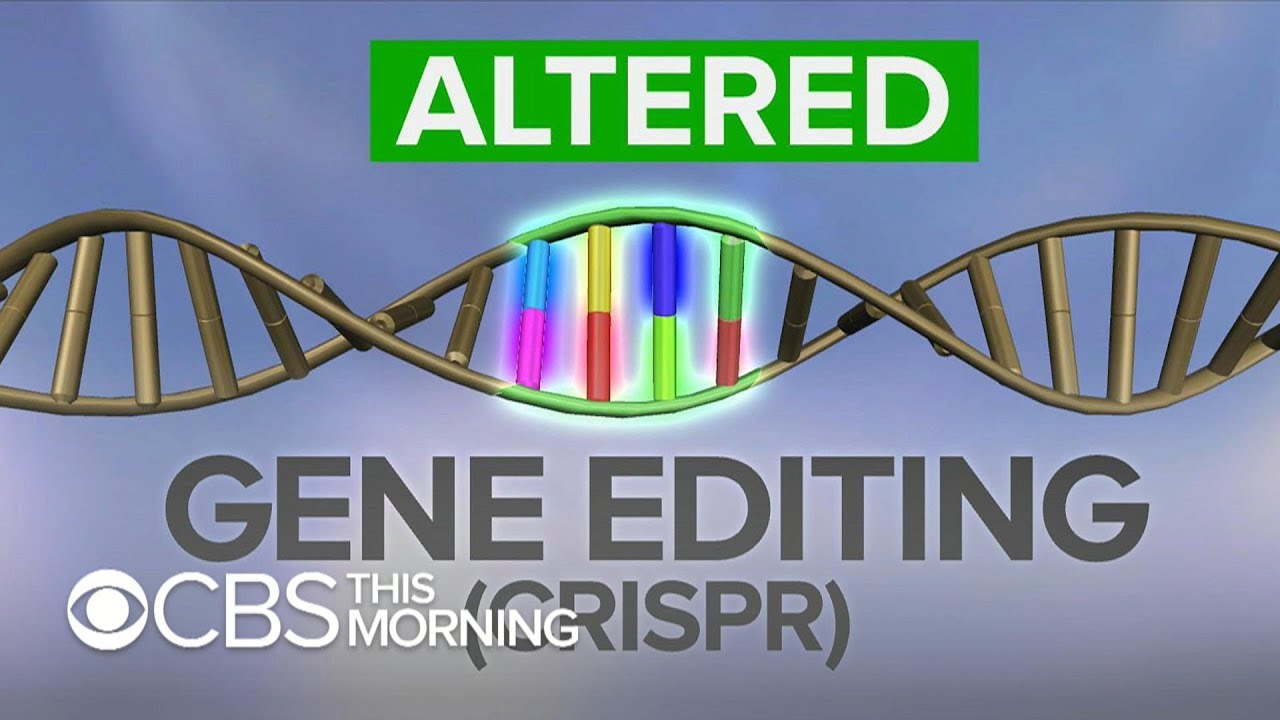
The gene-editing conversation in this segment couldn’t be separated from what had just happened in China. A researcher there announced late in 2018 that he had used CRISPR to create the first gene-edited human babies, a claim that set off alarm across the scientific community. Narula framed 2019 as the year that debate would have to move from shock to structure — figuring out what oversight, if any, exists for germline editing while the technology’s legitimate clinical uses keep advancing.
Gene editing carries real promise for treating disease — and, after one scientist’s claim of editing human embryos, an urgent need for rules nobody had fully written yet.
Printing Organs, Closing the Donor Gap
On the technology side, Narula pointed to 3D bioprinting as one of the more concrete breakthroughs to track. Researchers have been working toward printing functional human tissue and, eventually, organs — a development aimed squarely at the chronic shortage of donor organs available for transplant. It’s a slower-moving story than AFM or CRISPR, but one with a clear, measurable target: patients waiting on transplant lists who currently have no other option.
Wearables and the Genetic Testing Boom
Rounding out the segment, Narula walked through how consumer wearables, diagnostic sensors and expanding genetic testing were reshaping preventative care. The pitch is individualized: data pulled from a device on your wrist or a genetic panel from a lab can now steer which drugs a doctor prescribes and which risks a patient screens for early, rather than relying on one-size-fits-all treatment.
All four threads — AFM, CRISPR, bioprinting and wearables — were still open questions on January 1, 2019, which is exactly why Narula flagged them. Expect the AFM case count and the CRISPR oversight fight to be the two that make headlines again before the year’s out, while the organ-printing and wearable stories keep grinding forward in labs and on wrists without a single dramatic headline attached.









Battle at Big Rock | An All-New Short Film | Jurassic World
Curb your murder sentencing
PROJECT POWER Trailer (2020) Jamie Foxx, Joseph Gordon-Levitt Movie
Celebrities Losing Their Minds In Quarantine
23rd Month – (Cucumber Feeding Frenzy) NO filter, NO CO2, NO Ferts 5 Gallon Nano Tank