
 InfoSearched
There’s a reason you can’t just book a flight to the South Pole and start exploring on your own.
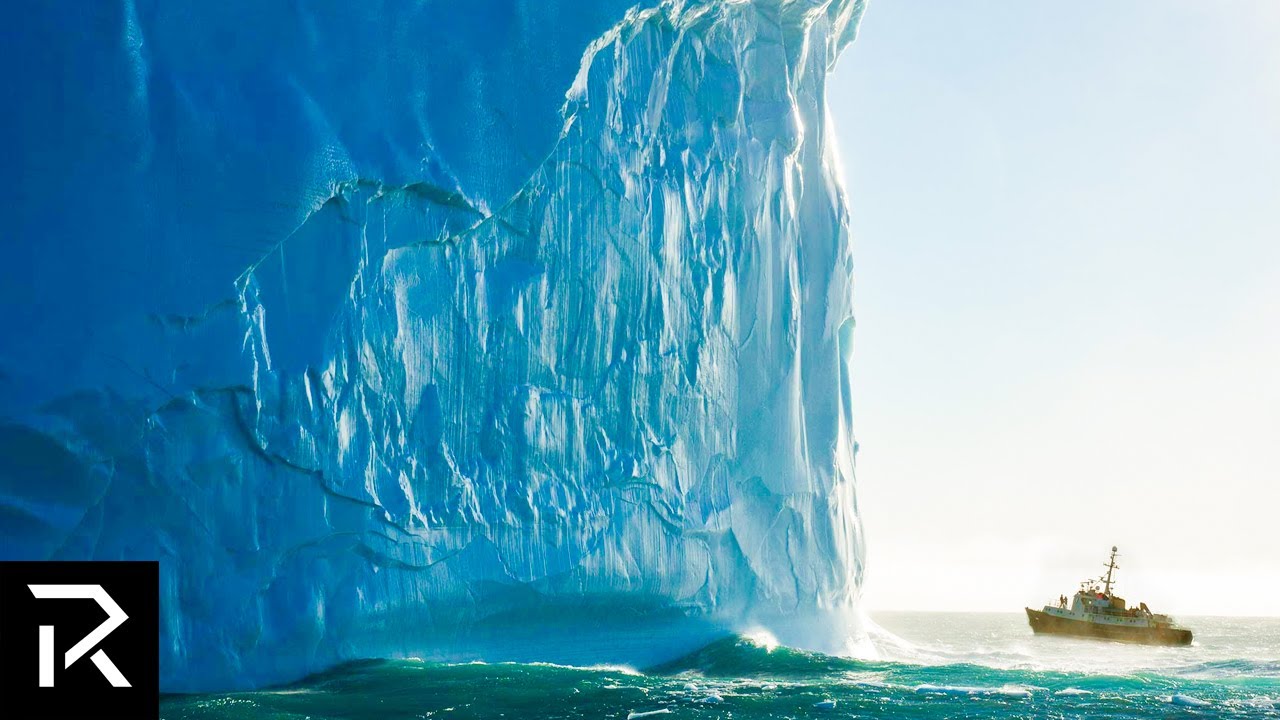
Antarctica is the only continent on Earth with no permanent residents, no government, and no open border — and that’s not an accident or a cover-up. It’s the result of a Cold War-era treaty, a set of environmental protocols, and a climate that will kill an unprepared traveler in hours. TheRichest’s video “Why No One’s Allowed To Explore The Antarctic” walks through exactly how those layers of restriction came together, and why the conspiracy theories about a secret ban don’t hold up against the actual paperwork.
- The Antarctic Treaty was signed in Washington on December 1, 1959, and took effect in 1961, demilitarizing the entire continent south of 60° South latitude.
- Article I and Article IV ban military activity, weapons testing, and nuclear waste disposal, while freezing all existing territorial claims — including competing claims from Britain, Argentina, and Chile.
- Winter temperatures in Antarctica’s interior can plunge to nearly -130°F (-90°C), a climate the video points to as the real, physical reason unauthorized exploration is effectively suicidal.
The Treaty That Demilitarized a Continent
The legal foundation for all of this traces back to the 1957-1958 International Geophysical Year, when American polar explorer Admiral Richard E. Byrd and scientists from multiple nations proved that cooperative research in Antarctica could work without any one country planting a flag and locking everyone else out. That precedent, combined with rising Cold War tension and unresolved sovereignty disputes between Britain, Argentina, and Chile, pushed twelve nations to the table in Washington on December 1, 1959.
The resulting Antarctic Treaty entered into force in 1961 and did something no other landmass on the planet has: it demilitarized an entire continent. Article I bans any military activity south of 60° South latitude — no bases, no fortifications, no weapons testing. Article IV goes further, freezing every existing territorial claim in place and forbidding any nation from asserting a new one, which is precisely why Britain, Argentina, and Chile can each still claim overlapping wedges of the continent without anyone going to war over it.
The Madrid Protocol Locks the Door on Mining
Nearly three decades after the original treaty, member nations tightened the rules further. The 1991 Madrid Protocol on Environmental Protection, which entered into force in 1998, formally designated Antarctica as “a natural reserve, devoted to peace and science” and imposed a strict moratorium on commercial mining and oil exploration. That single provision is often the one conspiracy theorists point to as evidence of something being hidden — when in reality it’s a deliberate, negotiated ban on resource extraction, not a cover-up.
Antarctica isn’t a no-fly zone hiding a secret — it’s a continent where the paperwork and the weather are both designed to keep you out.
Biosecurity Rules Most Travelers Never Hear About
Even scientists and permitted tourists can’t just wander off. The video details how visitors are required to go through biosecurity washdowns and remove all waste before and after setting foot on the ice, specifically to prevent invasive species, microbes, and foreign diseases from reaching animals like emperor penguins and seals that evolved with no exposure to outside pathogens. Travel is funneled through national permits or accredited groups like the International Association of Antarctica Tour Operators, which sets the actual ground rules for where boots can land and how long they can stay.
That regulatory net is worth reading about alongside other extreme environments covered in 15 Most Dangerous Natural Phenomena In The World, since Antarctica’s climate belongs on any list of places nature itself polices better than any government could.
The Climate Does the Rest
Even without a single treaty on the books, Antarctica would still be nearly impossible to explore casually. Interior winter temperatures fall to near -130°F (-90°C), a number the video uses to explain why unauthorized, unassisted exploration isn’t just illegal — it’s a death sentence without serious cold-weather infrastructure and backup. That’s the same logic driving coverage of remote, unforgiving terrain over in the Outdoors section, where survival math, not bureaucracy, ends up being the real gatekeeper.
None of this stops Antarctica from hosting real science every year — dozens of research stations still run under permit, and IAATO-regulated cruises still land a limited number of tourists each season under those same washdown protocols. The restrictions the video lays out aren’t a wall; they’re a set of locks nations agreed to fifty-eight years ago and have kept turning ever since.










The Untold Truth Of Michael Jordan’s Kids
Isaac Hou blows our minds with his amazing circle wheel performance
Natalia Dyer Talks “Stranger Things” & Its Third Season
PUBG – Season 4 Cinematic Trailer
Uncovering China’s detention camps for Muslim minority