
 InfoSearched
Israel and the United States just proved their most advanced missile shield can kill a target above the atmosphere.
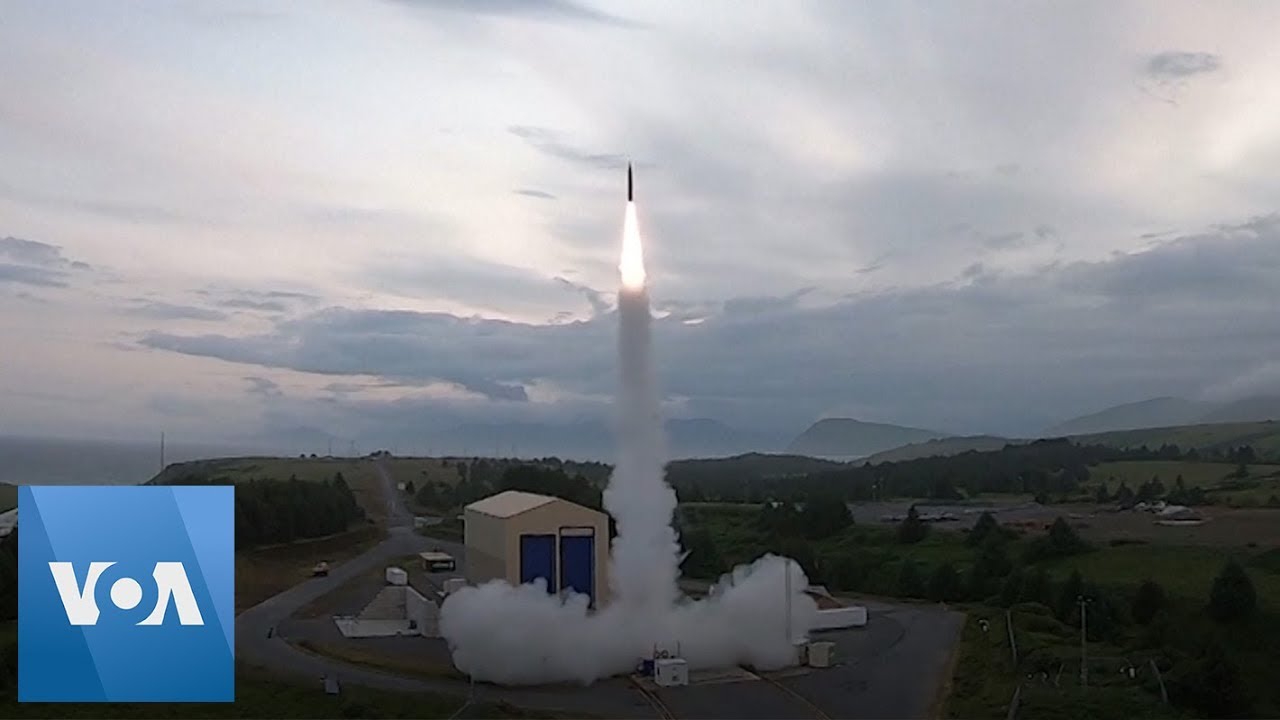
On Sunday, July 28, Israeli and U.S. defense officials confirmed that the Arrow 3 interceptor had completed a successful flight test campaign in Alaska, hitting exo-atmospheric targets outside the Earth’s atmosphere. The tests, designated Flight Test Arrow-01, ran at the Pacific Spaceport Complex-Alaska on Kodiak Island — a location chosen specifically because certain capabilities couldn’t be safely or adequately evaluated inside Israel. The campaign brought together Israeli and American engineers, radar operators, and contractors for what officials on both sides called a decisive step for the system.
- Flight Test Arrow-01, run at the Pacific Spaceport Complex-Alaska on Kodiak Island, achieved high-altitude, exo-atmospheric “hit-to-kill” interceptions of target missiles outside Earth’s atmosphere.
- Israeli Prime Minister Benjamin Netanyahu told his Cabinet the results give Israel the “ability to act against ballistic missiles fired against us from Iran and from any other location.”
- MDA Director Vice Adm. Jon Hill called it a “major milestone” for the Arrow Weapon System, while IMDO Director Moshe Patel said the tests capped 10 years of development.
A Decade of Testing Comes Together
The campaign was run jointly by the Israel Missile Defense Organization, under Israel’s Directorate of Defense Research and Development, and the U.S. Missile Defense Agency. The Israeli Air Force flew alongside the two program’s primary contractors, Israel Aerospace Industries and Boeing, who have built Arrow 3 together since the project’s inception. IMDO Director Moshe Patel framed the Kodiak results as the payoff for a decade of grinding development work rather than a single breakthrough moment.
Alaska Selected for Critical Testing
Flight Test Arrow-01 was staged at Kodiak Island rather than on Israeli soil because exo-atmospheric intercepts of this kind require space and safety margins that Israel’s own test ranges can’t provide. The campaign also served as a check on interoperability: a U.S. Raytheon AN/TPY-2 radar, a system not part of Israel’s native missile-defense architecture, was folded into the exercise to confirm that American and Israeli hardware can track and hand off targets to each other in real time.
The Reaction From Jerusalem and Washington
Speaking at a Cabinet meeting the same day, Netanyahu leaned directly on the test results to make a point about deterrence, tying the interceptor’s performance straight to Iran’s missile arsenal. MDA Director Vice Adm. Jon Hill echoed that confidence from the American side, saying the results build trust that Israel can defeat missile threats emerging from the region.
“A major milestone in the development of the Arrow Weapon System.”
Arrow 3’s Place in Israel’s Missile Shield
Arrow 3 sits at the top of Israel’s layered defense architecture, handling the highest, farthest-out threats before they re-enter the atmosphere. Below it sit David’s Sling for mid-range missiles, Arrow 2 for lower-altitude ballistic threats, and Iron Dome for short-range rockets — the system that gets the most attention in the coverage of any given flare-up in the region. Arrow 3’s exo-atmospheric role is meant to give Israel a shot at incoming missiles before the lower tiers ever have to fire.
For Patel’s team at IMDO, Flight Test Arrow-01 closes out ten years of development with something no simulation could offer: proof, on the record, that Arrow 3 can put a warhead into deep space and kill it there. That’s the number Netanyahu wants Tehran sitting with, and it’s the one Washington and Jerusalem will keep pointing to the next time either government talks about Iran’s missile program.










The Bizarre World of Fake Martial Arts
Musicians Who Stormed Off Stage During Live Performances
10 Oldest Technologies Scientists Still Can’t Explain
Kayakers help save seal pups entangled in netting.
Martin Lawrence | The Wait Out Man