
 InfoSearched
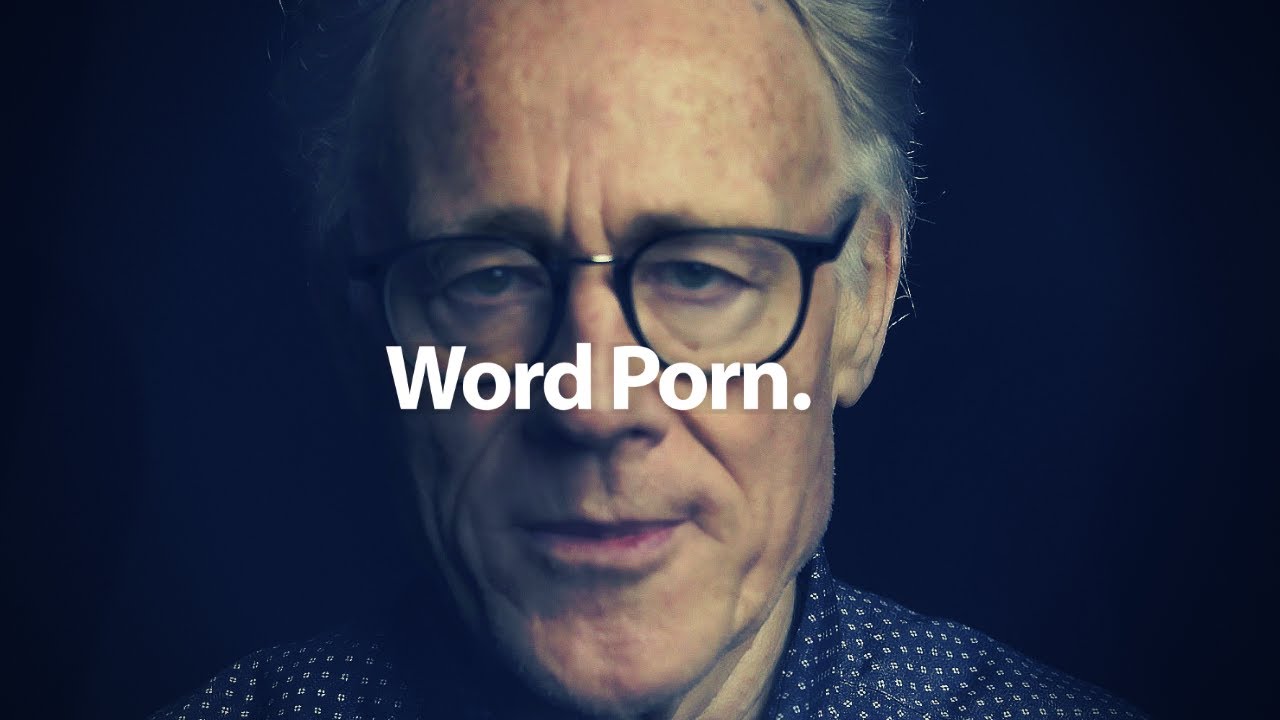
Graham Hancock says the war on drugs was never about your health — it was about your mind.
In a clip pulled from his interviews around the 2010 documentary DMT: The Spirit Molecule, author and alternative history researcher Graham Hancock lays out a blunt theory: DMT isn’t illegal because it’s dangerous, it’s illegal because it works too well. According to Hancock, the compound strips away the conditioning that keeps people compliant, and that’s precisely why governments want it locked in a Schedule I cage.
- Hancock argues society is “absolutely designed to shut down 90% of the potential of the human creature” to produce what he calls “unquestioning meat robots.”
- He traces his argument through the documentary DMT: The Spirit Molecule, directed by Mitch Schultz and built on Dr. Rick Strassman’s clinical research into the compound.
- Hancock contrasts DMT’s Schedule I status with the legal, advertised sale of alcohol, calling the disparity “riddled through and through with unbelievable hypocrisy.”
The Core Argument
Hancock’s case starts from a simple premise: modern society runs on obedience, and obedience requires people who don’t ask big questions. “There are those who run things in society and there are those who are there to kind of serve them and serve their ends and serve their needs,” he says. Psychedelics like DMT, in his framing, short-circuit that arrangement by giving ordinary people direct, unmediated encounters with something that feels bigger than the rules they’ve been handed.
That’s the mechanism he keeps returning to — not abuse potential, not overdose risk, but the fact that DMT tends to produce experiences users describe as spiritual or ontological, the kind that make someone stop and ask what reality actually is. Once that question gets asked seriously, Hancock says, the person asking it stops needing permission from anyone.
Rising Threats to Global Elites
Hancock’s argument turns political fast. “Once we realise our potential we don’t need elites anymore, who needs elites — who needs to be led,” he says, framing psychedelic use as fundamentally incompatible with hierarchical power. He goes further, arguing that whoever currently occupies positions of authority “have no right” to direct another person’s consciousness in the first place.
That’s the pivot point of the whole clip: the instant someone starts “asking really profound questions about the nature of reality and about the society that we live in,” Hancock says their rulers’ authority collapses in that person’s own mind — and he believes that’s exactly the outcome the war on drugs was built to prevent.
“How dare some guy in a suit sitting in government tell me what to do with my consciousness — while at the same time, they’re allowing the glorification and glamorisation of alcohol, which is one of the most dangerous drugs on the planet.”
The Alcohol Comparison
Hancock leans hard on the double standard between legal and illegal substances. He points to alcohol’s documented toll — cirrhosis, traffic fatalities, violence — as evidence that legality has never tracked with actual harm. “Alcohol is a seriously dangerous drug… nobody can dispute that,” he says, before noting that psilocybin and DMT carry none of that same body count yet trigger prison sentences.
For Hancock, that gap isn’t an oversight, it’s the point. A substance that gets you drunk and compliant stays on the shelf; a substance that gets you asking who’s actually in charge gets criminalized. Anyone curious about how this framing lines up against other consciousness-altering claims making the rounds online might find it worth reading alongside Navy pilots describing encounters with UFOs, another case where officials’ instinct was to control the narrative first and explain later.
Framing It as a Rights Issue
Hancock closes his argument by casting the entire debate as a human rights question rather than a drug policy one. “We must be free to make decisions over our own consciousness always with the proviso that we do no harm to others,” he says, adding that “any government, any state agency that attempts to limit our freedom over our own consciousness is itself an agency of darkness and control.” It’s a framing that turns a Schedule I classification into, in his words, an entry point for the state into “the inner sanctum of people’s lives” — and it’s the same territory he mines in the broader DMT: The Spirit Molecule material, where Strassman’s clinical work meets Hancock’s spiritual reading of what that clinical work actually produced. Readers weighing the physical risk side of that equation against Hancock’s spiritual claims might also want to see what getting high is actually like from people describing the comedown, not the cosmology.
Hancock doesn’t pretend this is a settled fight — DMT is still Schedule I, Strassman’s research is still cited more than it’s expanded on, and the documentary that made Hancock’s case to a mainstream audience is nearly a decade old at this point. But the clip keeps circulating because the argument hasn’t changed: as long as the compound stays banned on the grounds of “abuse potential” rather than actual harm data, Hancock’s hypocrisy charge against alcohol’s legal status keeps landing with viewers who’ve never touched either substance.





CNN reporter describes ‘chaos’ as riot police charge protesters
P!nk’s Candid Conversation About Contracting COVID-19
I Tried DERMAROLLING my Saggy Skin & This Happened! (Astonishing Results)
How To Lose 15 pounds in 7 days with Peel-a-Pound Soup
4 Levels of Fried Chicken: Amateur to Food Scientist | Epicurious